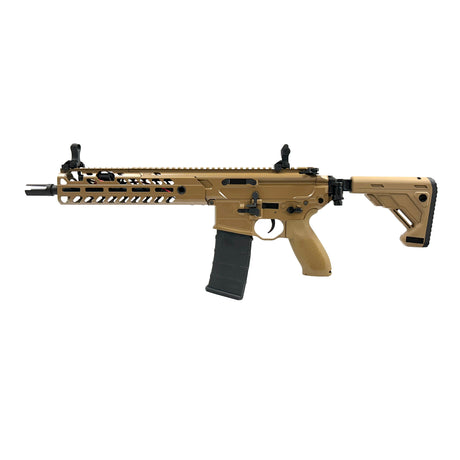
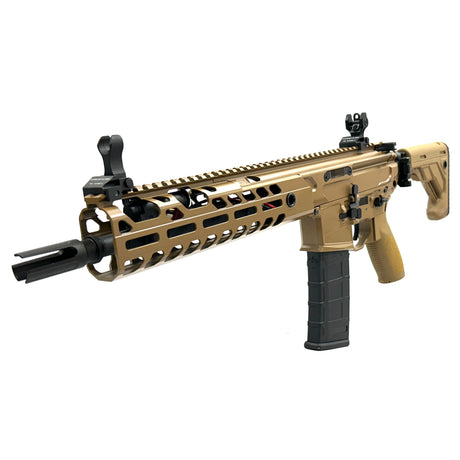
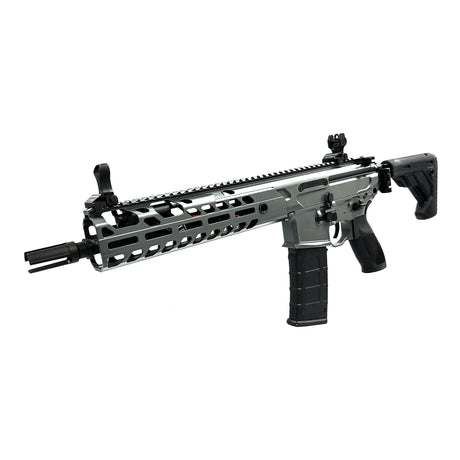
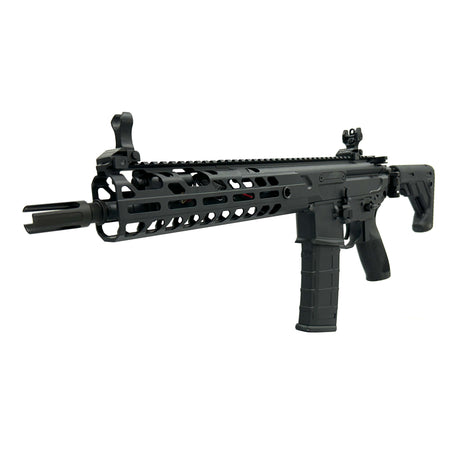
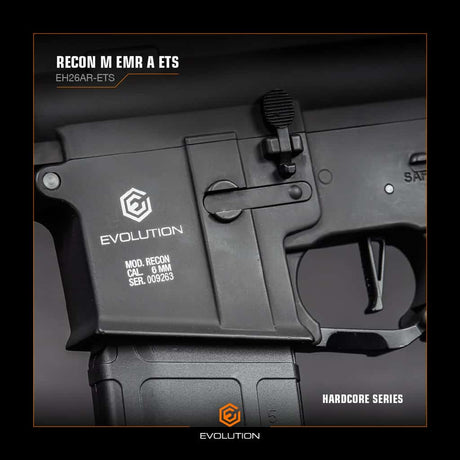
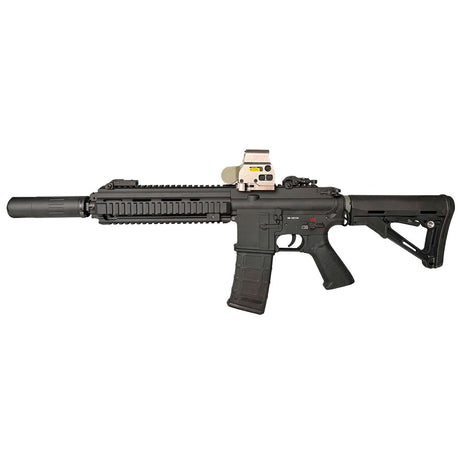
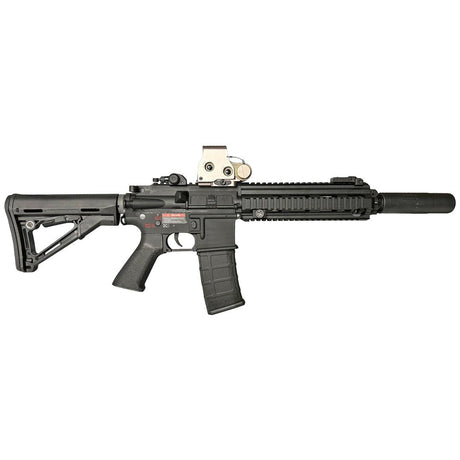
What if your next high-performance AEG purchase lands you on the wrong side of the law just because you miscounted 56 days on a calendar? We have all been there, staring at a stunning RIF online but feeling stuck with a bright green "two-tone" because the ukara process feels like a mountain of red tape. It is frustrating to wait out the clock while your squad upgrades their platforms, and the fear of falling foul of the Violent Crime Reduction Act 2006 is enough to make any newcomer hesitate.
You deserve to hit the field with gear that looks as good as it performs. This guide masters the entire registration roadmap for 2026, ensuring you understand exactly how to turn those three required skirmishes into a rock-solid legal defence. We will break down the precise timing of the three-game rule, clarify the technical differences between IFs and RIFs, and provide the exact steps to get your name on the database. By the end of this post, you will have the tactical knowledge to secure your status and finally build the skirmish-ready loadout you have been planning.
Key Takeaways
- Navigate the legalities of the VCRA 2006 and understand how a "specific defence" protects your right to own realistic airsoft kit.
- Compare the benefits of immediate two-tone purchases against the long-term realism of owning a RIF for a truly authentic skirmish experience.
- Follow our clear, step-by-step breakdown of the "3 in 2" rule to secure your ukara registration at your local registered site.
- Ensure your gear stays field-ready by learning the essential timeline for renewing your status before your 12-month validation expires.
What is UKARA? Understanding the Skirmisher’s Shield
If you're looking to upgrade your loadout with a Realistic Imitation Firearm (RIF), you've likely heard the term ukara mentioned at your local site. It's a common misconception that this is a government-issued licence. In reality, the United Kingdom Airsoft Retailers Association (UKARA) is a database managed by retailers to verify that a buyer is a legitimate skirmisher. It acts as a bridge between the player and the shop, providing a streamlined way to prove you have a legal reason to purchase a RIF.
Socom Tactical Airsoft and other reputable retailers use this system because it provides a "specific defence" under UK law. Without this verification, retailers can only sell you "Two-Tone" guns, which are painted in bright, non-military colours. Having your details on the database means you're recognized as a regular player, allowing you to buy authentic-looking gear that matches the grit and realism of the sport. It's vital to distinguish between "having a UKARA" and being a "registered skirmisher"; the former is the tool we use to check, while the latter is your actual legal status earned through time on the field.
The Origins of the UKARA Database
The system didn't appear by accident. It was forged as a direct response to the Violent Crime Reduction Act 2006, which threatened to ban the sale of realistic-looking airsoft platforms entirely. Retailers stepped up to create a self-regulatory framework that proved the community was responsible. By organizing player data into a central, searchable database, they ensured the hobby could survive while staying compliant with strict Home Office regulations. This system protects the industry and ensures that high-performance kit only ends up in the hands of those who actually play the game.
Is UKARA a Legal Requirement?
Technically, the law requires you to have a "defence" to purchase a RIF, not specifically a ukara number. However, the database is the industry standard for proof. You can't simply walk into a shop and buy a registration. To get on the list, you must play at least three times at a registered site over a period of no less than 56 days. This ensures you're committed to the sport before you start building a professional-grade arsenal. Supporting legitimate airsoft guns retailers who insist on these checks is the best way to keep our sport safe from further legislative restrictions. It's about maintaining the integrity of the skirmish community while ensuring every player is tactical, ready, and legal.
The Legal Landscape: VCRA 2006 and the RIF vs. IF Debate
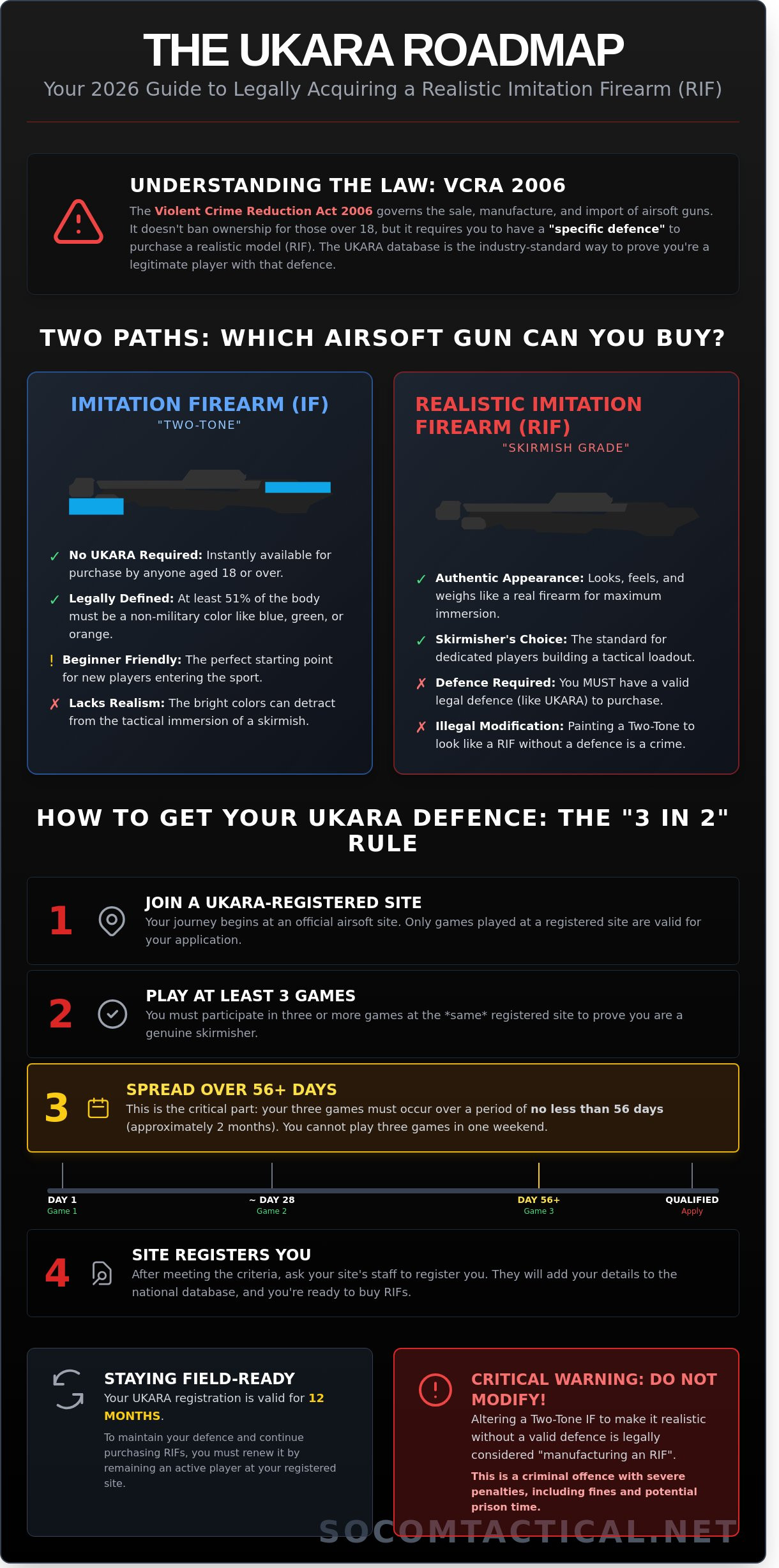
The Violent Crime Reduction Act (VCRA) 2006 is the foundation of airsoft law in the United Kingdom. It isn't a ban on the sport, but it is a strict set of regulations designed to control how realistic gear is handled. Sections 36 to 38 of the official VCRA 2006 legislation make it a criminal offence to sell, manufacture, or import Realistic Imitation Firearms (RIFs) unless a specific defence is in place. It's a common misconception that owning an RIF is illegal. In reality, the law targets the transaction and the creation of these items. If you're over 18, you can legally buy an Imitation Firearm (IF), but to step up to a realistic platform, you must prove you're a regular skirmisher with a valid ukara registration or another recognised defence.
RIF vs. IF: A Visual and Tactical Comparison
An Imitation Firearm (IF) is defined by its appearance. To stay on the right side of the law, an IF must have a principal colour that is not typically used for real firearms, such as bright blue, orange, or lime green. This "Two-Tone" rule requires at least 51% of the gun to be finished in one of these "non-military" colours. While these are perfect for newcomers, serious players usually prefer RIFs for the authentic weight, finish, and immersion they bring to a tactical loadout. If you're just starting your journey, our Two-Tone Airsoft Guns: The Ultimate UK Legal and Buying Guide 2026 covers everything you need to know about these entry-level options.
What Happens if You Modify a Two-Tone Without a Defence?
Modifying a Two-Tone gun to look like a real firearm is a legal minefield. If you "paint over" the bright sections of an IF to make it look realistic, you're technically "manufacturing" an RIF. Doing this without a valid ukara or another legal defence is a breach of the VCRA. The consequences are severe, potentially leading to a prison sentence of up to 51 weeks or a heavy fine. It's never worth the risk for a bit of extra immersion. Always secure your defence by playing regularly at a registered site before you think about changing your gear's appearance. Stay safe, stay legal, and keep your kit skirmish-ready by following the proper channels. You can explore our latest high-performance airsoft guns once your defence is fully sorted.
UKARA vs. Two-Tone: Which Path Should You Take?
Choosing your first platform is a defining moment for any new player. You're faced with a tactical crossroads: do you buy a two-tone gun immediately, or do you wait to earn your ukara validation? This decision impacts your budget, your stealth on the field, and your long-term satisfaction with your loadout.
The primary trade-off is realism versus speed. A two-tone gun allows you to skip the 56-day waiting period required by the official UKARA website guidelines. However, carrying a bright green or blue rifle affects your field presence. In a dense woodland skirmish, a vibrant handguard acts like a beacon for the opposition, making stealth nearly impossible. Beyond aesthetics, there is a financial angle. While a two-tone service often costs a small additional fee, the real cost comes later. If you decide to "un-tone" the gun after getting your defence, you'll spend time and money on replacement parts or professional paint stripping.
Resale value is another critical factor. The second-hand market for Realistic Imitation Firearms (RIFs) is vast. Conversely, two-tone guns have a much smaller pool of potential buyers, usually limited to other newcomers without a defence. This often leads to a lower resale price compared to a standard RIF.
The Case for Starting with Two-Tone
Two-tone is the perfect solution for players who want to stop renting and start mastering their own gear from day one. It lets you learn the nuances of your specific airsoft gun, from hop-up adjustments to trigger response, during those first three qualifying matches. At Socom Tactical, we provide professional painting services that ensure your gun meets the 51% colour requirement of the VCRA while maintaining a high-quality finish. It's a practical entry point that gets you into the game without the wait.
The Benefits of Waiting for UKARA
Waiting for your ukara validation opens the door to the entire world of high-end AEG Airsoft Rifles without any physical modifications. You join the community as a verified skirmisher, and your gear reflects that status. By waiting, you save money in the long run by avoiding "stop-gap" purchases. You can invest directly in a professional-grade platform that looks, feels, and performs exactly as intended. It's the path for the player who values maximum realism and tactical consistency from the very first trigger pull.
Step-by-Step: How to Get Your UKARA Number
Securing your ukara number is the ultimate objective for any player looking to move beyond two-tone rentals and build a realistic tactical loadout. It's the most widely recognised method for proving your skirmisher status in the UK since the system was established in 2007. The process isn't a hurdle; it's a way to ensure the hobby stays safe and regulated. You'll need to demonstrate commitment to the sport by becoming a regular at a registered site to earn your spot on the database.
The "3 in 2" rule is the standard you must meet. Every player is required to play three games at the same UKARA-registered site. These three games must take place over a period of no less than 56 days. This timeframe ensures you're a genuine hobbyist rather than someone looking for a quick, one-off purchase. Once you've completed your third game on or after the 57th day, the site organiser validates your application, confirming you're a legitimate part of the community.
Mastering the 56-Day Timeline
You can't rush this mission. The 56-day minimum is a hard limit set to satisfy the requirements of the Violent Crime Reduction Act 2006. If you play your first game on day 1, your second on day 20, and your third on day 57, you've successfully completed the requirement. Booking your sessions in advance ensures you hit that day 57 mark efficiently. If your local site isn't registered, your games won't count. Always use the official UKARA site finder to locate one of the 100+ registered venues across the UK before you start your sessions.
The Paperwork and Submission Process
Once you've clocked your three games, it's time to get the admin sorted. You'll need to fill out a standard application form with your full name and current address. Accuracy is vital. Ensure these details exactly match your driving licence or utility bills, as discrepancies cause 90% of application delays. You'll also need your unique site membership number provided by the organiser. After the site stamps your form, submit it to a registered retailer like Socom Tactical. We verify the details with the site and upload your status to the central database, making you skirmish-ready.
The validation process is the final stage. When we receive your form, our team checks the information against the site's records. If everything aligns, your details are added to the national database. This process usually takes a few days to synchronise across all retailers. Once the system shows your status as active, the restriction on purchasing Realistic Imitation Firearms is lifted for you. You're then cleared to invest in high-performance gear that matches your tactical requirements on the field.
Maintaining Your Defence: Renewals and Buying Gear
Securing your place on the database isn't a one-time event. Your ukara status operates on a 12-month rolling cycle, meaning your defence expires exactly 365 days after your last validation. This system ensures that the legal defence remains exclusive to active airsoft players rather than collectors who no longer hit the field. If you let this window lapse, your status goes inactive, and you lose the ability to purchase RIFs until you've re-validated your credentials.
Staying active is much easier than starting from scratch. You don't need to repeat the "3 games in 2 months" trial if you renew before your expiry date. Most sites require a simple re-validation fee, often around £10, to refresh your record for another year. If you move house or change your primary skirmish site, you must update these details immediately. Discrepancies between your shipping address and your registered database address will cause a hard stop during the verification process. Keeping your profile current ensures you can grab the latest parts and upgrades to keep your platform performing at its peak.
The Renewal Process Simplified
Don't wait for your status to go dark before checking your standing. You can verify your current expiry date via the official UKARA self-check portal using your number and postcode. Once you're within the final month of your validation, speak to your site organiser. They'll confirm your attendance records and update the digital database. This keeps your buying power seamless. It's vital that your contact details on the database match your photo ID exactly, as any mismatch will lead to a rejected sale during our mandatory background checks.
Buying Your First RIF from Socom Tactical
When you're ready to drop your first high-performance AEG or GBB into your cart, the process is straightforward. During the online checkout, you'll find a dedicated field to enter your ukara number. Once your order is placed, our team doesn't just ship it blindly. We manually verify every single number against the national database to ensure the defence is active and the address matches your delivery details. This protocol protects the hobby and ensures every sale is 100% legal under the VCRA 2006 regulations.
Lock In Your Defence and Gear Up for 2026
Navigating the legalities of the VCRA 2006 doesn't have to be a tactical headache. By completing three skirmishes in no less than 56 days at a registered site, you'll secure your ukara number and unlock the door to authentic Realistic Imitation Firearms. This registration isn't just a hurdle; it's your verified shield that ensures you're playing by the rules while building the ultimate loadout. If you aren't ready to wait, our professional two-tone service provides a legal bridge to get you on the field immediately.
Socom Tactical has provided UK-based expert advice since 2009. As a verified member of the UKARA retail consortium, we understand the grit and precision required for a high-performance skirmish. Whether you're a seasoned veteran or a newcomer looking for your first platform, we have the technical expertise to ensure your gear is skirmish-ready. Don't let red tape hold back your performance on the field. It's time to upgrade your arsenal with confidence and join the ranks of elite players across the UK.
Browse our full range of skirmish-ready Airsoft Guns today
We'll see you in the thick of the action.
Frequently Asked Questions
Do I need a licence to play airsoft in the UK?
You don't need a licence to play airsoft at any insured UK site. While the Violent Crime Reduction Act 2006 regulates the sale of Realistic Imitation Firearms (RIFs), it doesn't stop you from renting gear or using your own kit on the skirmish field. You just need to be over 18 to purchase a RIF once you've established a valid ukara defence.
Can I get a UKARA number if I am under 18?
No, you must be at least 18 years old to be registered on the database and purchase a RIF. While younger enthusiasts wait to reach the legal age, they often participate in other organized youth activities.
How long does a UKARA number last before it expires?
Your UKARA registration remains valid for exactly 12 months from the date of issue. To keep your status active, you'll need to renew it annually through your registered home site. Most sites require at least one game played in the previous year to validate the renewal. Keeping your defence current ensures you can always upgrade your loadout with the latest high-performance platforms without any delays at the checkout.
Can I buy a RIF if I have a different defence, like being a film reenactor?
Yes, you can buy a RIF using alternative defences specified under the VCRA 2006. These include being a museum curator, a historical reenactor with public liability insurance, or a film and television professional. While ukara is the most common system for players, retailers accept other forms of proof as long as they meet the legal requirements for a specific defence. Always check with your supplier before trying to complete a purchase.
Does a UKARA number allow me to carry my airsoft gun in public?
No, a UKARA registration doesn't give you the right to carry an airsoft gun in public view. Under the Firearms Act 1968, carrying an imitation firearm in a public place without a reasonable excuse is a serious criminal offence. You should always transport your gear in a secure, padded gun bag or hard case. Keep your kit out of sight until you're safely within the boundaries of your local skirmish site.
What happens to my UKARA if my local site closes down?
If your registered home site closes, your status doesn't vanish immediately, but you'll need to transfer it to a new active site. You must contact the database administrator to move your details to another registered venue where you play regularly. This ensures your defence remains verifiable when you're looking to buy new tactical gear or internal components. Don't let a site closure stall your hobby; get your details moved quickly.
Can I use my UKARA number to buy airsoft guns from overseas?
You can use your details to import airsoft guns, but it's vital to provide the number to the seller for the package exterior. UK Border Force uses the database to verify that you have a legal defence before releasing the shipment. If they can't verify your status, they'll likely seize and destroy the item. Importing carries risks, so ensure your registration is active before ordering that high-end GBB from abroad.
Is there a fee for joining the UKARA database?
UKARA itself doesn't charge players a direct fee to be on the database, but individual skirmish sites often charge an administration fee. This cost typically covers the site's insurance and the staff time required to process your paperwork. Most UK sites charge between £10 and £20 for this service, though some include it in a membership package. Always ask your local site manager about their specific pricing for processing your application.