Despite the widespread use of rechargeable LiPo batteries in airsoft, they have a reputation for being a bit of a "bomb in a bag", so are LiPo batteries safe or should you be avoiding them?
Before you rush to throw out all your LiPo batteries, there are just 5 simple rules you need to follow to keep them safe. After all, they're overall the safest, most efficient way to power a high-performance AEG.
LiPo Battery Safety Overview:
-
LiPo batteries are safe for airsoft use when handled correctly, but their high energy density makes proper charging, use, and storage essential.
-
Using a LiPo-specific balance charger and following the 1C charging rule significantly reduces the risk of overheating, swelling, or fire.
-
Over-discharging is one of the biggest safety risks; stopping use when performance drops and using low-voltage alarms helps prevent permanent damage.
-
LiPo batteries should never be stored fully charged or fully empty; a storage charge of around 3.8V per cell is safest.
- Swelling, punctures, or excessive heat are clear signs that a LiPo battery is no longer safe and should be disposed of correctly.
LiPo vs. NiMH: Why the Safety Conversation Changed
Lithium Polymer (LiPo) batteries are more volatile than Nickel Metal Hydride (NiMH) batteries because of their higher energy density. They pack a lot of power into a lightweight, compact design, which makes them popular for airsoft AEGs.
However, this higher energy capacity comes with the downside that they're less stable than NiMH batteries if not handled properly. LiPo batteries are especially sensitive to overcharging, over-discharging, physical damage, and extreme temperatures, which can lead to swelling or, in the worst case, thermal runaway.
Despite these risks, many airsoft players prefer LiPo batteries for their performance benefits. Their higher discharge rate boosts trigger response and rate of fire (ROF), giving players a clear edge on the field.
The good news is that maintaining LiPo batteries doesn’t take much effort. By following a few basic safety steps, like using a LiPo-specific charger, storing them correctly, and checking for damage, you can keep them safe and reliable.
To find out more, read our LiPo vs NiMH comparison
The "Safety Trinity": Charging, Storage, & Use
There are three main things you need to think about when keeping your LiPo batteries safe and healthy.
Charging: The Non-Negotiables
Never use a NiMH charger for LiPo batteries. LiPo batteries need precise voltage control to charge safely, and NiMH chargers don't provide this. Using the wrong charger can cause overheating, swelling, or even fires. Always use a battery charger made specifically for LiPo batteries.
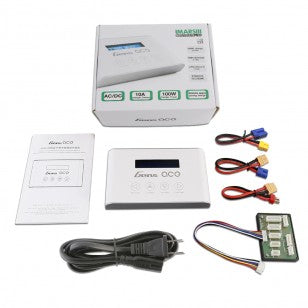
Balance charging is key to maintaining your LiPo batteries' health and lifespan. Since LiPo batteries consist of individual cells, each one must be charged to the same voltage. Balance charging ensures every cell is charged evenly, which prevents overcharging and protects the battery from damage or reduced performance.
The white balance plug on your LiPo battery is essential for this process. While the main plug powers your device, the white plug lets the charger monitor and balance each cell's voltage.
This makes the white plug the most important connector during charging, as it maintains the battery's safety and efficiency.
The 1C Charging Rule
When charging LiPo batteries, the 1C rule is a simple guideline to follow. This ensures that your battery is charged at a safe, consistent rate to avoid heat buildup and potential damage.
The "C" refers to the battery’s capacity, measured in milliamp-hours (mAh). For example, if you have a 2,000mAh battery, the 1C rule dictates charging it at 2.0 amps.
Here’s a quick reference table for common capacities:
| Battery Capacity (mAh) | 1C Charging Rate (Amps) |
| 1,000 mAh | 1.0 A |
| 1,500 mAh | 1.5 A |
| 2,000 mAh | 2.0 A |
| 2,500 mAh | 2.5 A |
| 3,000 mAh | 3.0 A |
The Golden Rule: Never charge a LiPo battery unattended. Period.
Use in the Field: Avoiding the "Danger Zone"
One of the most critical rules for LiPo battery maintenance is avoiding over-discharging.
When the voltage of a LiPo cell drops too low, it can cause irreversible damage to the battery's internal structure, significantly reducing its lifespan or rendering it entirely unusable.
If your equipment, such as an airsoft gun, begins to sound weak or sluggish, it’s a clear indication that the battery is already approaching the danger zone.
At this point, you should stop using it immediately and recharge the battery before further harm occurs.
Many LiPo users implement low-voltage alarms or cut-off systems to help protect their batteries from over-discharge, ensuring longer-lasting performance and reliability. Alternatively, use a battery checker to regularly check your battery.
Storage: The "Goldilocks" Voltage
Never store a LiPo battery at 100% or 0% charge. Doing so can cause "puffing," where the battery swells and becomes unsafe.
Storing a battery at full charge puts the cells under stress, which can lead to swelling and degradation. Storing it at zero charge can cause irreversible damage if the voltage drops too low, which also contributes to puffing.
For best results, store your LiPo battery at a "storage charge" of about 3.8V per cell. Keep it in a cool, dry place to avoid temperature stress.
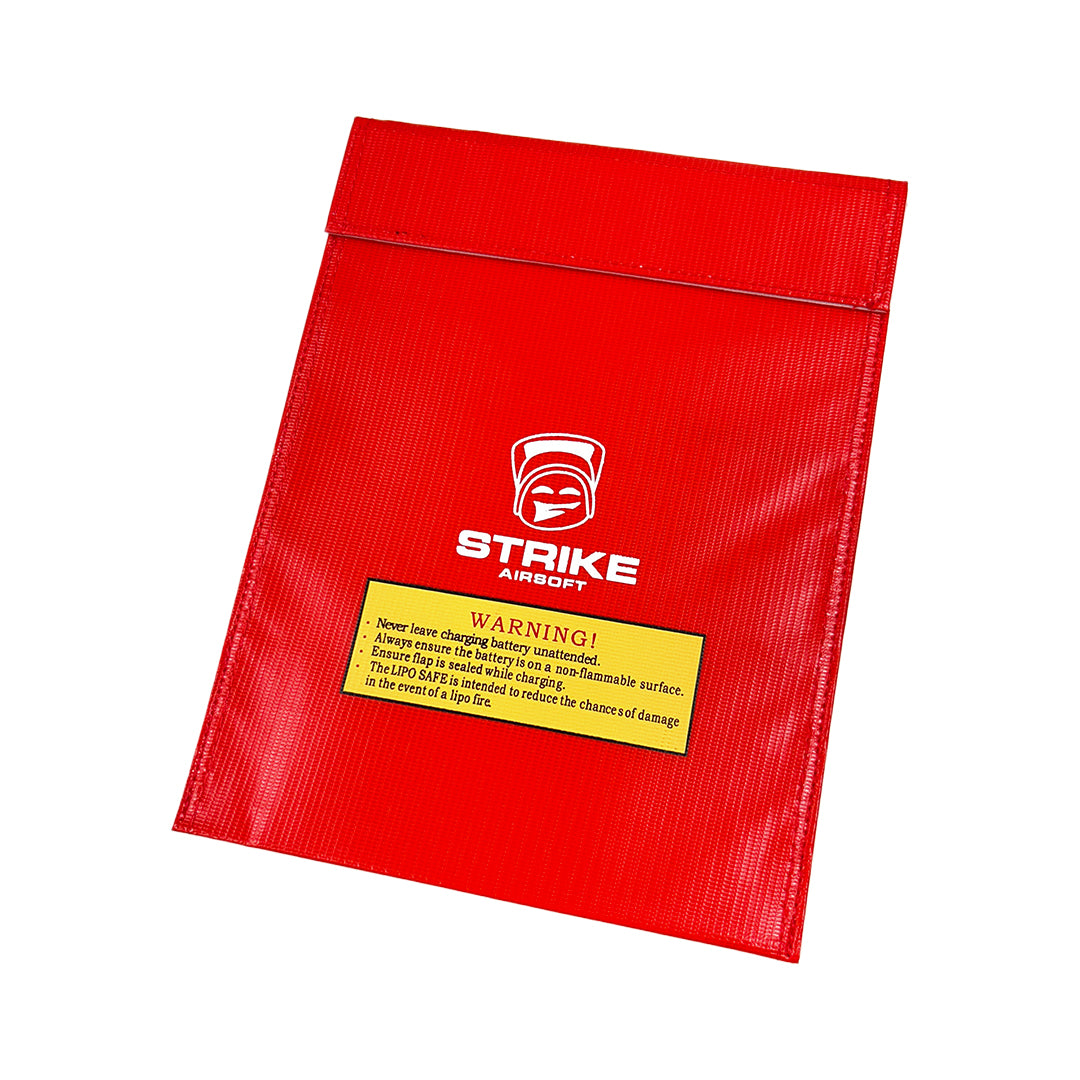
For added safety, always use a LiPo-safety charging bag to minimise fire risks.
How to Identify a "Bad" Battery
The main red flag warning signs of a "bad" LiPo battery are puffing and swelling, often referred to as the infamous "spicy pillow." These issues are indicators of internal damage and signify that the battery is no longer safe to use.
Additionally, any visible punctures on the battery's casing are a clear sign that the battery is ruined and must be disposed of properly.
If your battery feels hot to the touch after an intense semi-auto spam session, it could mean your motor and gears are drawing too many Amps. This excess current can overheat and damage the battery, as well as other components in your setup.
Always monitor your battery's condition and usage to prevent potential hazards.
What To Do if Things Go Wrong

It can be quite scary when things go wrong with a LiPo battery, but don't panic. Here's what to do if things go wrong with your airsoft battery:
- Disconnect the battery immediately (if it is safe to do so): Ensure your own safety first by avoiding direct contact with the smoke or potential flames.
- Move the battery to a non-flammable surface: Place it on concrete, dirt, or another fireproof area where it cannot ignite surrounding materials.
- Contain the situation: Use sand, a fire extinguisher rated for electrical fires, or another safe extinguishing method to address any flames. Do not use water, as it can worsen the situation.
- Wait at least 30 minutes before handling the battery: Allow the battery to cool completely, reducing the risk of further incidents before attempting to dispose of it properly.
Conclusion: Respect the Power for LiPo Battery Safety
LiPo batteries are the driving force behind modern airsoft technology, offering unparalleled performance and power. However, their advanced chemistry demands careful handling and respect to ensure both safety and longevity.
By following proper usage, storage, and disposal guidelines, players can maximise their gameplay experience while minimising risks.
Respect the power of LiPos, and they will undoubtedly enhance your airsoft adventures.
Replace Old LiPo Batteries At Socom Tactical
At Socom Tactical, we offer a wide range of LiPo batteries designed to keep your AEGs running at peak performance.
Whether you need power for a high-spec setup or a compact battery for a lightweight build, we have the right match for you. We also stock reliable chargers to ensure your batteries are charged safely and efficiently for every game.
Upgrade your old LiPo batteries today to see the difference in performance. Plus, get free delivery on orders over £100!