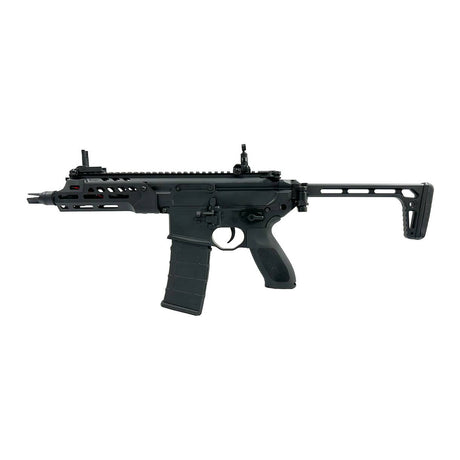
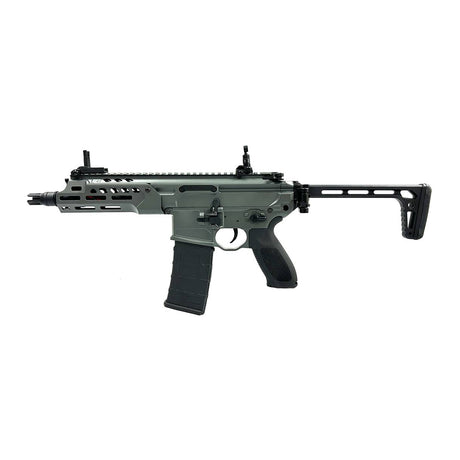
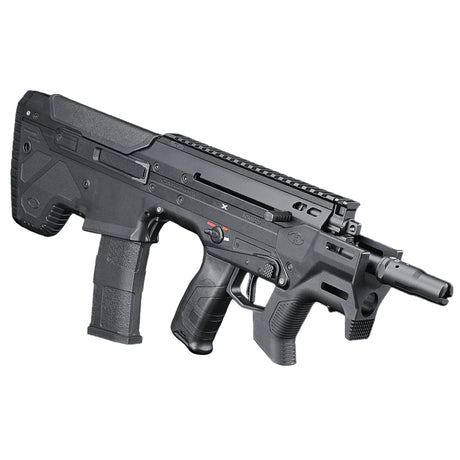
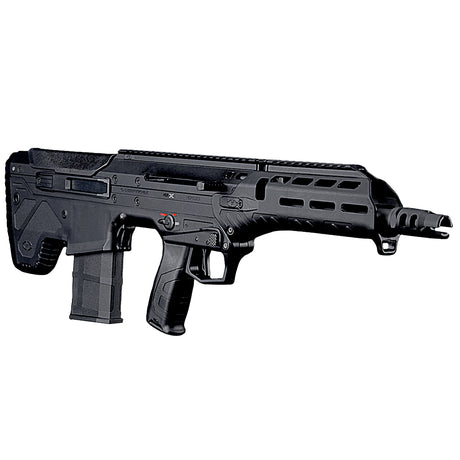
You've just lined up the perfect shot at your local woodland site, but as you pull the trigger, your sidearm vents its entire contents in a pathetic cloud of white mist. It's a frustrating scenario that roughly 80% of UK players have faced during a damp winter skirmish. Whilst airsoft gas guns offer the most immersive recoil and tactical feedback available, they're notoriously temperamental when the British weather refuses to cooperate. You want that satisfying kick and bolt-lock realism without the constant fear of a cool-down effect or a leaky magazine ruining your tactical loadout.
We're here to ensure your gear never lets you down when the pressure is on. This guide will help you master the mechanics of your gas platforms, from maintaining O-rings to picking the right high-performance propellant for a 4°C morning. We'll break down the technical differences between Green Gas and CO2 whilst providing a 10-minute maintenance routine to keep your mags leak-free. By the end, you'll know exactly how to select and sustain a gas system that dominates the field in any season.
Key Takeaways
- Discover how to maximise the performance of your airsoft gas guns by mastering the unique mechanics of Gas Blowback (GBB) systems for ultimate field realism.
- Understand the technical differences between Green Gas and CO2 to effectively mitigate the "cool-down effect" during high-intensity UK skirmishes.
- Evaluate the tactical utility of GBB pistols versus rifles to determine which high-performance platform best suits your specific loadout and playstyle.
- Master essential maintenance routines and the "half-fill" storage rule to keep your seals pressurised and your gear reliable in all weather conditions.
- Navigate the legal landscape of UKARA and VCRA with ease to ensure your RIF is fully compliant and skirmish-ready for your next deployment.
The Appeal of Airsoft Gas Guns: Realism and Tactical Feedback
To understand the obsession with airsoft gas guns, you have to feel one in your hands during a heated engagement. These platforms use compressed gas, typically green gas or CO2, to propel a BB whilst simultaneously cycling the internal action. What are airsoft gas guns? At their core, they represent the closest a player can get to handling a real firearm without stepping onto a live range. While an Automatic Electric Gun (AEG) relies on a motor and gearset to produce a linear, mechanical hum, a gas platform delivers a visceral "crack" and physical movement that changes how you approach a skirmish.
The appeal isn't just about the noise; it's the psychological impact of the feedback loop. When your bolt locks back on an empty magazine, you aren't just looking at a dead trigger; you're experiencing a mechanical reality that demands a tactical response. This immersion is a significant upgrade from the flat experience of an AEG. The felt recoil, though not as powerful as a powder-burner, provides enough vibration to disrupt your sight picture, forcing you to master your grip and stance to stay on target. It makes every trigger pull feel earned.
Gas Blowback (GBB) vs. Non-Blowback (NBB)
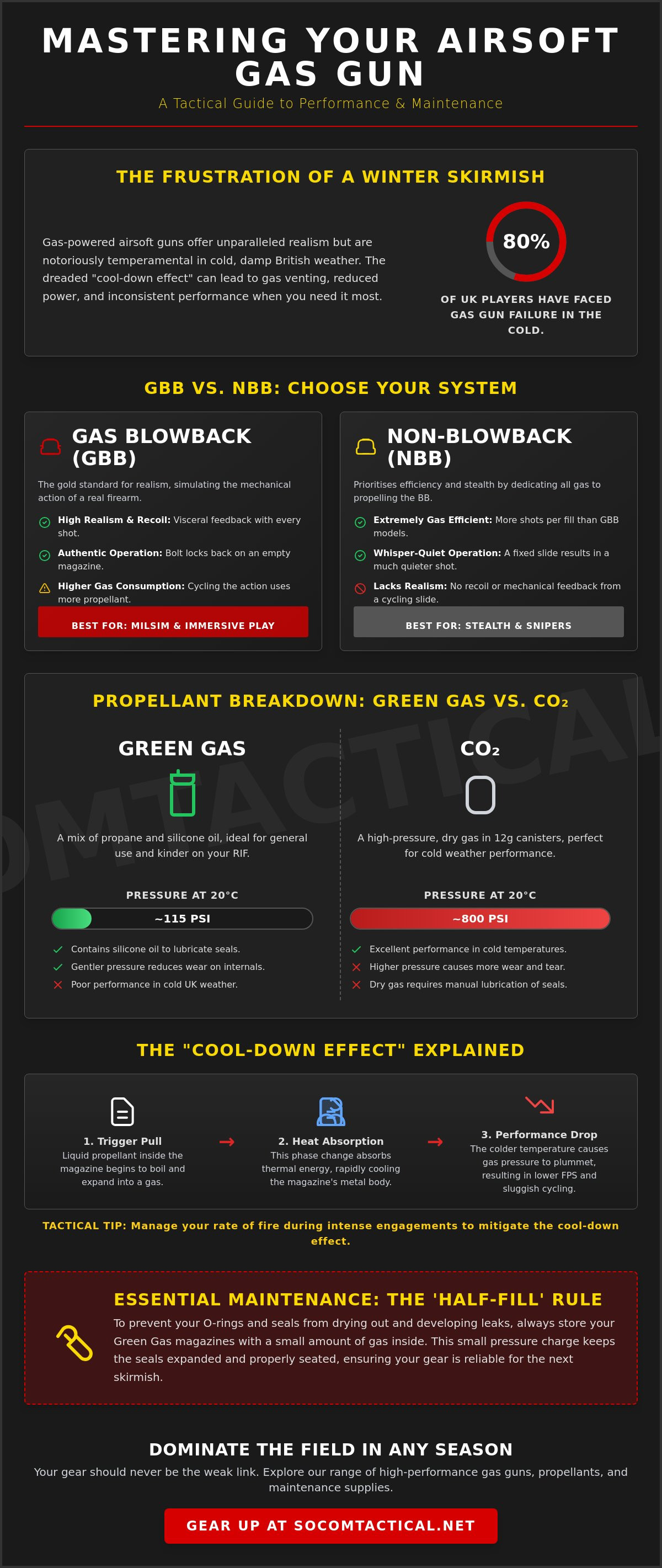
Choosing between GBB and NBB depends entirely on your role in the field. Gas Blowback models are the gold standard for realism. The slide or bolt cycles with every shot, providing heavy recoil and a satisfying mechanical clatter. This comes at the cost of higher gas consumption and potential "cooldown" issues during chilly UK winters. Conversely, Non-Blowback (NBB) units feature a fixed slide. They are incredibly gas-efficient and whisper-quiet, making them the primary choice for snipers and stealth-focused players who prioritise silence over recoil. Many veteran players keep an NBB sidearm in their clothing and gear setup for those moments when a silent takedown is the only option.
Why Realism Matters in Modern Skirmishing
For the MilSim community, realism is a requirement rather than a luxury. Most airsoft gas guns feature realistic magazine capacities, often holding only 30 to 40 rounds. This is a far cry from the 300-round "high-cap" magazines common in the AEG world. These restricted counts force better fire discipline and authentic reload drills. You can't simply spray and pray; you have to make every shot count. This tactical pressure is exactly why professional training units often choose gas platforms for force-on-force exercises. Using airsoft gas gun magazines with authentic weights and capacities ensures that your training translates directly to real-world muscle memory and ammunition management.
Understanding Gas Types and Mechanical Systems
To dominate the field, you've got to understand what's actually powering your platform. Most airsoft gas guns rely on either Green Gas or CO2 to cycle the action and propel the BB. Green Gas is primarily a mix of propane and a small percentage of silicone oil. This chemical composition is a massive benefit for skirmishers because the oil helps lubricate your internal seals and valves while you play. CO2, delivered in 12g canisters, is a dry gas with significantly higher pressure, often reaching 800 PSI compared to the 115 PSI of standard Green Gas at 20°C. Knowing which one to pick depends on your specific RIF and the British weather.
One of the biggest hurdles with airsoft gas guns is the "cool-down effect." When you pull the trigger, the liquid propellant inside the magazine boils into a gas. This physical reaction absorbs heat, causing the magazine's temperature to plummet during rapid fire. As the metal gets colder, the gas pressure drops, leading to a sluggish slide and a noticeable loss in FPS. Managing your rate of fire is essential for maintaining consistency during a heated engagement. Before you head out, ensure your loadout meets legal standards by checking the guidelines on UKARA, VCRA, and Getting Your Gas Gun Skirmish-Ready.
Green Gas vs. CO2: Which is Best for the UK?
CO2 is often the victor in cold-weather performance. Its high pressure allows it to cycle heavy metal slides even when the temperature dips towards freezing. The downside is the wear and tear; the higher pressure is harder on your nozzle and internal seals. Green Gas is much easier to refill mid-game and is generally gentler on your gear. The vapour pressure of Green Gas is the key to its performance, as it is highly sensitive to ambient temperature changes. If you want a reliable sidearm for year-round use, having a CO2-compatible pistol is a smart tactical move.
Managing the UK Climate: Winter Gas Strategies
In the UK, your gas choice must change with the seasons. A gas that works perfectly in July will likely fail you in January. We use a hierarchy of pressures to keep guns running smoothly:
- Blue Gas: Low pressure, ideal for plastic-slide pistols in warm weather.
- Green Gas: The versatile standard for temperatures between 15°C and 25°C.
- Red Gas: High pressure, essential for maintaining FPS when it drops below 10°C.
- Black Gas: Extreme pressure for the coldest winter days.
You must be cautious with high-pressure gases like Red or Black in the summer. Using these in a plastic-slide pistol during a heatwave can lead to catastrophic failure, potentially cracking your slide or blowing out seals. It's always best to stock up on different consumables to ensure you're ready for whatever the British clouds throw at you. If your GBB is struggling with the transition to higher-pressure fuels, consider browsing our parts and upgrades to reinforce your internals.
Gas Blowback Rifles (GBBR) vs. Gas Pistols: Choosing Your Platform
Deciding between a gas pistol and a full-scale rifle isn't just a matter of size; it's a choice that dictates your entire playstyle. Unlike standard electric guns, airsoft gas guns offer a weight distribution that closely mimics their real-world counterparts. You won't find a heavy motor tucked into the pistol grip or a bulky gearbox assembly in the receiver. Instead, the weight is concentrated in the magazine and the moving bolt carrier group. This creates a balanced centre of gravity that feels natural during high-speed transitions and reduces the fatigue often associated with front-heavy AEGs.
The manual of arms is where the realism of these platforms truly shines. Every reload requires you to physically engage the slide release or charging handle to chamber a round. It's a tactile, mechanical process that forces you to train your muscle memory. Because these are Realistic Imitation Firearms (RIFs), they are governed by the Violent Crime Reduction Act 2006, meaning you'll need a valid defence, such as a UKARA registration, to purchase them in their realistic black or tan finishes. For many, this legal requirement is a small price to pay for the sheer immersion that gas systems provide on the field.
The Gas Pistol: Your Reliable Secondary
A skirmish-ready sidearm is a tactical necessity, especially when your primary weapon isn't suited for tight corners. When choosing a pistol, you must prioritise holster compatibility and magazine availability. Brands like Tokyo Marui are the gold standard here, offering incredible out-of-the-box reliability and hop-up consistency. In CQB environments, a gas pistol allows for rapid movement and one-handed operation whilst clearing rooms. Most UK sites limit pistols to around 300-330 FPS, making them perfect for close-range engagements where speed and manoeuvrability are king.
The GBBR: The Ultimate Primary Challenge
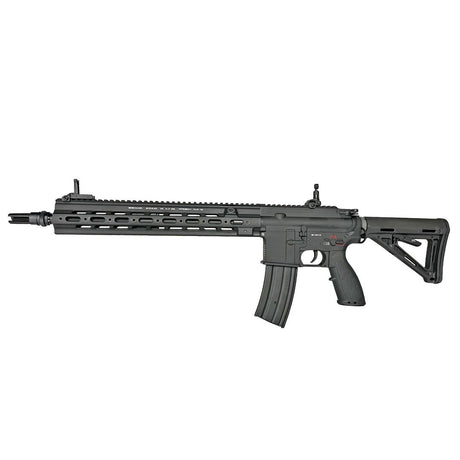
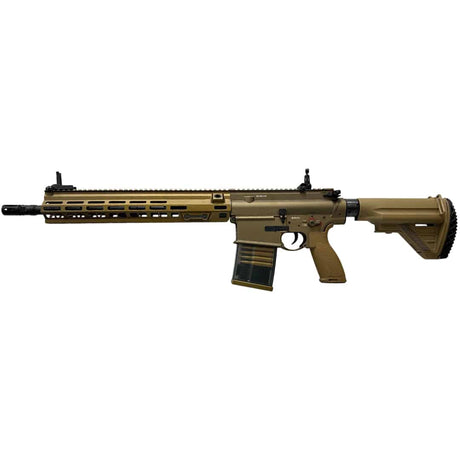
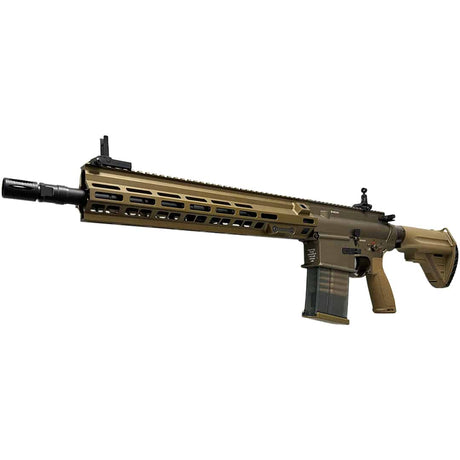
Stepping up to a GBBR is the ultimate test for any experienced player. You'll have to manage low-capacity magazines, often holding just 30 to 40 rounds, which is a massive shift from the 120-round mid-caps found in electric platforms. This forces a more deliberate, disciplined approach to shooting; you can't just spray plastic and hope for the best. Maintenance is also more intensive, as you'll need to clean the barrel and lubricate the seals after every damp skirmish to ensure peak performance. If you want to push your platform further, investing in parts and upgrades can significantly improve gas efficiency and cold-weather reliability.
Essential Maintenance and Cold Weather Performance Tips
Owning high-performance airsoft gas guns requires a commitment to regular upkeep that goes beyond a simple wipe-down after a game. To keep your sidearm or rifle cycling smoothly, you must prioritise the friction points. Start by field-stripping your RIF to access the slide and frame rails. Use a lint-free cloth to remove old, dirty lubricant and debris. Apply a thin, even layer of high-quality silicone grease to the rails and the hammer assembly. For the blowback unit, a single drop of silicone oil on the nozzle seal is enough to maintain a gas-tight fit without causing "hydro-locking" or attracting excessive dirt.
Storage habits often dictate whether your kit survives the off-season. Never store your magazines completely empty, as the seals will dry out and shrink, leading to catastrophic failures. Follow the "half-fill" rule by leaving roughly 10% to 20% of gas capacity inside the reservoir. This provides just enough pressure to keep the internal O-rings seated against the metal housing. If you do encounter a hiss, don't panic. Most O-ring leaks are fixed by removing the valve and applying a liberal coating of thick silicone grease to the seal before re-seating it firmly.
Precision is non-negotiable when dealing with tight-bore gas barrels. Cheap, poorly manufactured BBs often have inconsistent diameters or air bubbles that cause them to shatter or jam under the force of a gas blowback cycle. Stick to 5.95mm (+/- 0.01mm) precision rounds to ensure your hop-up remains consistent and your inner barrel stays scratch-free.
Mastering Magazine Care
Maximum gas capacity starts with a proper purge. Air trapped inside the reservoir acts as a cushion, preventing a full liquid charge of green gas. To fix this, hold the output valve open for a fraction of a second whilst you begin filling the magazine; this "burps" the air out and lets the liquid gas take its place. Treat your magazines with respect on the field. A 1-metre drop onto a hard surface can easily bend feed lips or snap the delicate output valve, turning an expensive piece of kit into a paperweight. For reliable feeding and consistent FPS, we recommend using BLS BBs in all your gas platforms.
Combatting the Cool-Down Effect
British winters are notoriously tough on gas efficiency. Rapid fire causes the liquid gas to boil off quickly, freezing the magazine and dropping your pressure. You can mitigate this by limiting your fire rate to 2-3 round controlled bursts rather than "mag-dumping" in a panic. Between rounds, keep your spare magazines in an internal plate carrier pocket or use reusable hand warmers in your pouches to maintain an optimal temperature. O-ring shrinkage is the #1 cause of winter leaks. If your seals fail in the cold, warming the magazine slightly often allows the rubber to expand and reseal. To keep your gear running through the coldest skirmishes, make sure you stock up on the right maintenance supplies and high-pressure gases.
UKARA, VCRA, and Getting Your Gas Gun Skirmish-Ready
Understanding the legal framework is vital before you invest in high-performance airsoft gas guns. The Violent Crime Reduction Act 2006 (VCRA) dictates how these platforms are bought and sold within the United Kingdom. To purchase a Realistic Imitation Firearm (RIF), you must possess a valid "skirmisher defence." The UKARA database is the most common way to prove this. It serves as a registry of active players, verified by insured airsoft sites. To get on the list, you typically need to play three games at the same registered site in a period no shorter than 56 days. This process ensures that RIFs stay in the hands of genuine hobbyists rather than the general public.
If you're eager to start but haven't clocked up your three games yet, don't worry. Socom Tactical provides a professional two-tone service. We apply high-visibility paint to the grip, stock, or slide, transforming a RIF into an Imitation Firearm (IF). This allows you to own your own kit immediately whilst you work towards your UKARA registration. Our team handles the process with precision, ensuring the paint is durable enough to survive a rugged day in the field without flaking or peeling.
Navigating the VCRA for New Players
The law makes a clear distinction between an Imitation Firearm (IF) and a Realistic Imitation Firearm (RIF). An IF must be manufactured or modified so that at least 51% of its surface area is a bright, non-military colour. Common choices include blue, orange, or lime green. It's a criminal offence to remove this colouring or "de-two-tone" your gun unless you have a valid legal defence like a UKARA number. If you're confused about how these regulations affect your purchase, visit our FAQ page for a detailed breakdown of the rules.
Booking Your First Skirmish
Before you head to the site, you must ensure your gear is within safe limits. Most UK airsoft venues enforce a limit of 350 FPS (roughly 1.14 Joules) for airsoft gas guns when using 0.20g BBs. Gas platforms can be temperamental with temperature changes, so a gun that shoots fine in the morning might "hot" as the sun comes out. If you need help chronographing your kit or adjusting your gas pressure, visit our Fleet shop for technical support. For more advice on picking the right gear for your playstyle, check out The Ultimate Guide to Airsoft Guns.
- Gas Check: Test your magazines for leaks 24 hours before the game.
- Lubrication: Apply 100% silicone oil to your slide rails and O-rings.
- Barrel Care: Clean the inner barrel to ensure your hop-up remains consistent.
- Ammo Selection: Use high-quality BBs to avoid jams in your gas blowback feeding system.
- Weather Prep: Pack a heavier gas (like Red or Black) if the temperature is below 10°C.
Dominate the Field with Unrivalled Realism
Stepping up to gas blowback platforms isn't just about the recoil; it's about mastering a system that demands respect and precision. You've seen how these setups offer essential tactical feedback, but staying skirmish-ready requires consistent maintenance and a solid understanding of UKARA regulations. Whether you're choosing a compact pistol or a heavy-hitting GBBR, performance hinges on matching your gas selection to the British climate.
Since 2009, Socom Tactical has been run by players who live for the grit of the game. We don't just sell gear; we provide the expert technical labour and repair services needed to keep your loadout running in peak condition. If you're new to the hobby or lack a UKARA membership, our professional two-tone painting service ensures your kit is fully compliant with the VCRA. It's time to elevate your game and experience the most immersive side of the sport.
Explore our full range of skirmish-ready airsoft gas guns at Socom Tactical and prepare for your next engagement with confidence. We'll see you on the field.
Frequently Asked Questions
Do airsoft gas guns work in the winter in the UK?
Yes, airsoft gas guns work in the UK winter, but you'll notice a drop in performance when temperatures dip below 10°C. Standard green gas loses pressure in the cold, leading to sluggish cycling or "venting" where the magazine dumps its contents. To stay skirmish-ready during a December freeze, switch to high-pressure Red or Black gas, or use a CO2-powered platform which handles low temperatures more effectively.
What is the difference between Green Gas and CO2?
Green gas is essentially propane mixed with silicone oil, stored in a large bottle and filled directly into the magazine. CO2 comes in 12g disposable bulbs and provides a much higher pressure of around 800 PSI compared to the 115 PSI of standard green gas. Whilst CO2 offers harder kick and better cold-weather reliability, it puts more strain on your pistol's internal components and seals over time.
Can I use propane instead of airsoft Green Gas?
You can use propane in your airsoft gas guns if you use a specific metal adapter, but it lacks the internal lubricants found in dedicated airsoft gases. Since propane is dry, you must manually add silicone oil to your fill valve every 3 to 5 magazines to prevent seals from drying out. Be aware that propane has a distinct "rotten egg" smell added for safety, which is noticeable during intense indoor skirmishes.
How often should I lubricate my gas blowback pistol?
Lubricate your gas blowback pistol after every 2 or 3 skirmishes or every 500 rounds fired to ensure smooth operation. Apply 100% silicone oil to the slide rails, the blowback unit housing, and the magazine's O-rings. Regular maintenance prevents the friction that causes sluggish cycling, ensuring your sidearm remains a reliable tool when you transition from your primary rifle in a tight spot.
Why is my gas magazine leaking from the bottom?
A magazine leaking from the bottom is usually caused by a dried-out or pinched O-ring on the fill valve or the base plate seal. This often happens if magazines are stored completely empty for over 30 days without a small "maintenance charge" of gas to provide pressure. Try tightening the base screw or soaking the O-ring in silicone oil for 24 hours to restore its shape and stop the leak.
Do I need a UKARA to buy a gas airsoft gun?
You don't need a UKARA to buy a gas airsoft gun if it's "Two-Tone," meaning 51% of the surface is a bright colour like blue or orange. However, to purchase a Realistic Imitation Firearm (RIF) that looks like the real deal, the Violent Crime Reduction Act 2006 requires you to have a valid defence. Most UK players gain this by playing 3 times at a single site over a period of no less than 56 days.
Are gas airsoft guns more powerful than AEGs?
Airsoft gas guns aren't inherently more powerful than AEGs, as both typically operate within UK site limits of 350 FPS for full-auto or 1.13 Joules. Whilst an AEG provides consistent performance through a battery, a gas gun offers superior realism through its blowback kick and mechanical trigger response. The main difference is the "feel" on the field rather than raw muzzle velocity or range.
What happens if I use Red Gas in a plastic-slide pistol?
Using Red Gas in a plastic-slide pistol like a Tokyo Marui will likely crack the slide or shatter the blowback housing within a few magazines. Red Gas operates at significantly higher pressures than standard gas to combat cold weather, which creates too much kinetic energy for polymer components to endure. Stick to standard 115 PSI gas for plastic platforms to ensure your gear survives the day's tactical engagements.