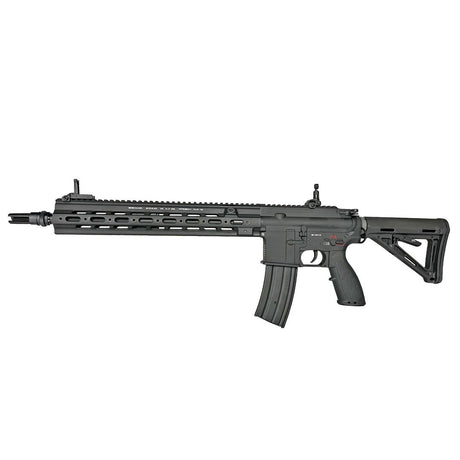
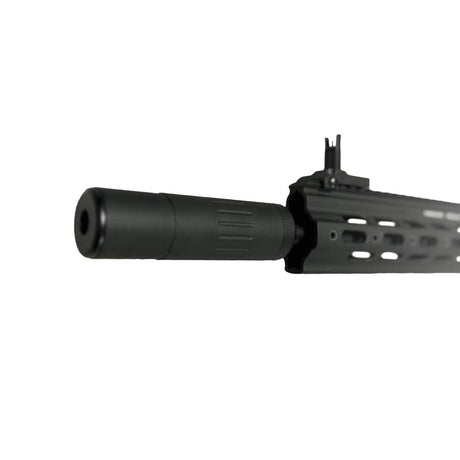
Picture this: you've spent weeks perfecting your loadout for a weekend skirmish, only for the marshal to tell you your Tokyo Marui MWS is clocking 375 FPS at the chrono station. It's a common frustration for GBBR users in the UK, where a sudden 5-degree temperature spike can turn a field-legal platform into a "hot" gun that stays in the car. We all love the recoil and realism of the MWS, but struggling with inconsistent power levels shouldn't be part of the experience, which is why an mws npas is the single most important upgrade for your bolt carrier group.
Mastering your muzzle velocity and ensuring field legality is straightforward once you understand how to control your gas flow. Our comprehensive guide will help you select the right components, navigate nozzle compatibility, and gain the confidence to perform your own internal upgrades. You'll learn how to achieve perfectly tuned FPS for any UK site and improve your gas consistency whilst you're at it. We are diving into the technical nuances of installation and tuning to ensure your rifle is always skirmish-ready, regardless of the weather.
Key Takeaways
- Understand how the Negative Pressure Adjustment System regulates gas flow to keep your GBBR skirmish-ready and compliant with UK site limits.
- Compare top-tier components like Jaeger Precision and Waldo Dynamics to find the perfect mws npas for your specific nozzle setup.
- Master the professional installation process using the correct tools to ensure your Tokyo Marui ZET system performs with absolute precision.
- Learn essential maintenance and cleaning techniques to prevent valve freeze and ensure reliability during cold-weather tactical operations.
- Gain the confidence to fine-tune your muzzle velocity, allowing you to dominate any environment from tight CQB centres to open woodland.
What is an MWS NPAS and Why Does Your GBBR Need One?
If you've spent any time on the skirmish field with a Tokyo Marui MWS, you'll know the ZET system is a masterpiece of reliability. However, the stock nozzle valve is designed for the Japanese market, where 134a gas and strict power limits are the norm. An mws npas, or Negative Pressure Adjustment System, replaces the factory-fitted fixed valve inside your nozzle. This clever piece of kit acts as a regulator, deciding exactly how much gas travels down the inner barrel to propel the BB versus how much is diverted to cycle the bolt. By adjusting the valve position, you gain precise control over your muzzle energy, ensuring your Airsoft guns remain within legal and site-specific limits regardless of the propellant used.
The Problem with Fixed Flow Valves
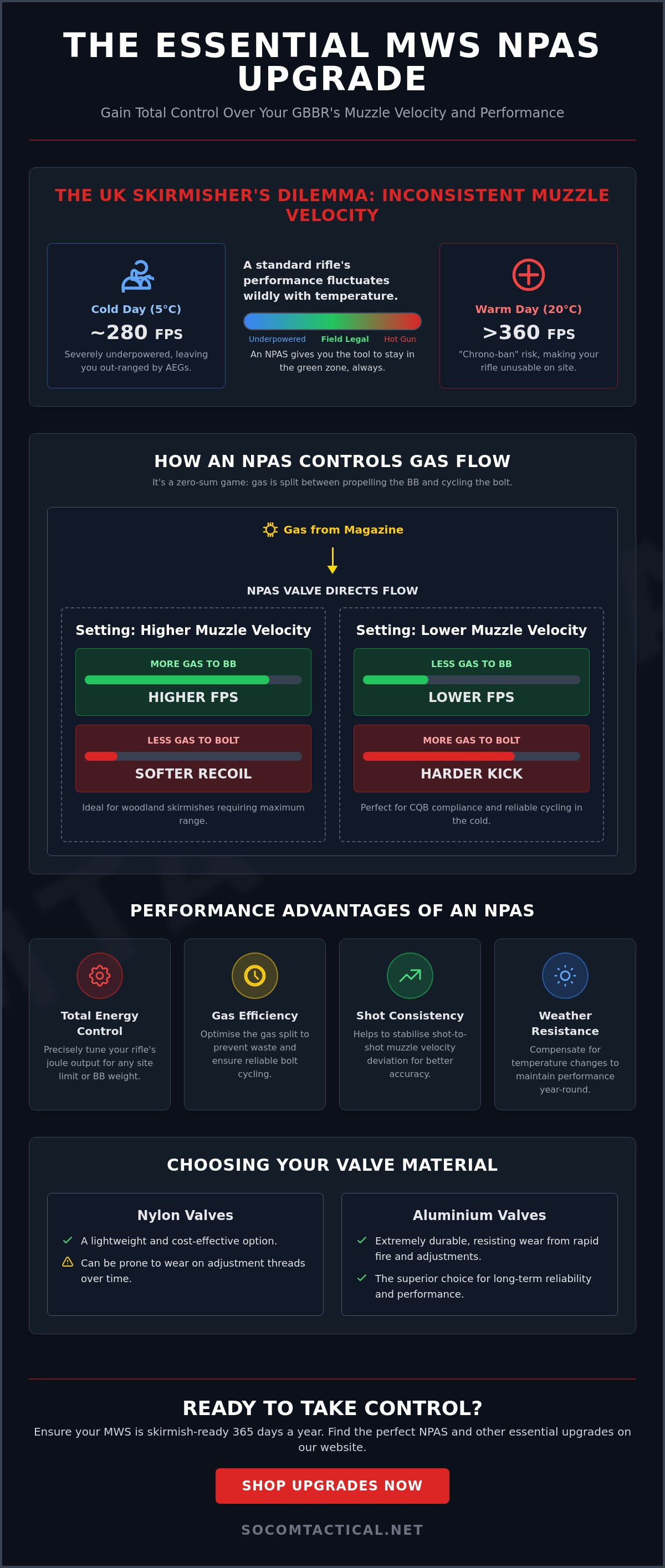
Standard Tokyo Marui nozzles use a fixed-flow internal valve. While this works brilliantly in the temperate climate of Japan, it presents a massive headache for UK players using high-pressure gases like Green Gas or Black Gas. On a warm day when temperatures hit 20°C or higher, the pressure in your magazine spikes. Without an mws npas, your rifle might jump from a safe 330 FPS to a site-banning 360 FPS by midday. This "chrono-ban" is the quickest way to ruin a weekend. Fixed "low-flow" or "downgrade" valves are equally frustrating; they lack the versatility required for modern tactical gameplay. If the temperature drops to 5°C, a downgrade valve will leave your MWS severely underpowered, making it difficult to compete against AEGs in outdoor engagements.
Benefits of a Skirmish-Ready Adjustable System
Installing an adjustable system transforms your MWS into a truly versatile platform. Instead of swapping out entire nozzle assemblies or carrying multiple bolt carriers, you can fine-tune your muzzle energy in seconds using a simple tool. This flexibility is essential for players who frequent different environments. You can easily dial your rifle down for a 330 FPS CQB limit in the morning and then crank it up to the 1.14 Joule (approx 350 FPS) limit for woodland skirmishes in the afternoon. Beyond just hitting limits, an NPAS offers several performance advantages:
- Total Energy Control: Match your Joules to your specific BB weight for maximum efficiency.
- Gas Efficiency: Optimise the gas split to ensure reliable cycling without wasting propellant.
- FPS Consistency: Help stabilise shot-to-shot deviation amongst different magazines.
- Weather Resistance: Compensate for thermal expansion in summer and pressure drops in winter.
By investing in high-quality parts and upgrades, you're not just buying a component; you're ensuring your primary remains skirmish-ready 365 days a year. Whether you're a mil-sim veteran or a casual weekend warrior, the ability to adapt to UK site regulations without sacrificing the legendary ZET system performance is a game-changer.
The Mechanics of Gas Flow: How the NPAS Controls Power
The Negative Pressure Airsoft System operates on a clever bit of physics that dictates how your gas is spent during every trigger pull. In a standard Tokyo Marui setup, the flute valve remains open until the BB creates enough back-pressure to snap it shut. By installing an mws npas, you're taking manual control of this process. The internal grub screw acts as a physical gatekeeper; by threading it in or out, you move the valve's resting position to either restrict or enlarge the gas path leading to the barrel. This is based on established pressure regulator technology used to manage projectile velocity with surgical precision.
Every puff of gas from your magazine has two jobs: pushing the BB and cycling the bolt. It's a zero-sum game. If you divert more gas toward the hop-up to increase your FPS, you have less volume available to drive that heavy ZET system bolt rearward. Conversely, restricting the flow to the BB sends a massive surge of gas into the blowback chamber. This results in a harder kick and more reliable cycling in colder conditions, even when you're dialled down for CQB limits. Choosing the right material for your valve is vital for long-term reliability. While Nylon valves offer a lightweight, cost-effective solution, Aluminium variants endure the high-velocity friction of rapid fire much better, preventing the "rounding off" of the adjustment threads over thousands of cycles.
Understanding the ZET System Nozzle
The Tokyo Marui MWS nozzle is a masterpiece of engineering, featuring a specific valve spring tension designed for 144a gas. When you drop in an mws npas, it sits directly behind the nozzle tip to intercept the gas before it enters the hop-up chamber. This allows you to fine-tune your output without swapping out entire bolt carrier groups. The cut-off point is the precise moment the valve shifts forward to seal the nozzle tip, stopping the BB's acceleration and instantly diverting gas to the blowback chamber. If you are looking to refine your build further, check out our range of essential parts and upgrades to keep your RIF at peak performance.
Thermal Expansion and Gas Pressure
UK weather is the ultimate enemy of the GBBR player. A rifle that chronos at a perfect 340 FPS during a frosty 5°C morning can easily spike to a site-illegal 375 FPS by the time the midday sun hits 25°C. This happens because gas pressure expands rapidly with heat. An NPAS is your tactical insurance policy against being sent home early. You can "dial back" the grub screw in seconds as the temperature climbs, ensuring you stay within the 1.14-joule limit common at most UK skirmish centres. This flexibility allows you to maintain a crisp, tactical recoil impulse throughout the day without sacrificing your ability to dominate the field at long range.
Choosing the Right NPAS: Jaeger Precision vs Waldo Crimson
Selecting the right mws npas is the difference between a rifle that's skirmish-ready and one that's stuck in the safe because it's shooting "hot" at the chrono. In the UK market, the battle for dominance sits between Jaeger Precision and Waldo Dynamics with their "Crimson" edition. Both units allow you to adjust your FPS through the nozzle face using a 1.5mm or 2mm hex key, meaning you won't have to strip your bolt carrier group every time the temperature shifts by five degrees.
The Jaeger Precision unit is crafted from high-strength Nylon, designed to mimic the weight and material properties of the original Tokyo Marui valve. This reduces internal wear on your nozzle housing whilst providing a resilient, impact-resistant core. In contrast, the Waldo Dynamics Crimson version focuses on precision-machined components that offer a slightly different tactile response during adjustment. Both systems are engineered to survive the violent cycles of the Blowback operation, ensuring your settings remain locked even during rapid-fire strings.
Compatibility Framework for Aftermarket Nozzles
While the Tokyo Marui system is the gold standard, many players opt for high-performance Guns Modify bolt carriers or more budget-friendly Double Eagle clones. Not every mws npas is a drop-in fit for every brand. If you're running a Tokyo Marui or Guns Modify nozzle, these units usually slide in with zero modification. However, clone nozzles like Salvo or Double Eagle often feature slightly tighter internal tolerances. You may need to perform "light filing" on the valve guides to ensure the NPAS moves freely without sticking.
- Tokyo Marui Stock: 100% drop-in compatibility.
- Guns Modify: Excellent fitment; ideal for high-ROF builds.
- Double Eagle / Salvo: May require 0.5mm of material removal from the valve wings.
- Checklist: Always test the valve reset by hand before reassembling the nozzle spring.
Consistency vs Peak Power
Consistency is the real metric of a high-tier build. A quality NPAS should provide a standard deviation of less than 2 FPS over a ten-shot string. Jaeger Precision units excel here because they utilise a hardened steel grub screw. This prevents "adjustment creep," where the vibration of the bolt causes the valve to slowly open or close during a long day of skirmishing. This level of stability is vital for players using BLS BBs at weights of .30g and above, where even minor gas flow fluctuations can significantly impact your long-range groupings.
For those chasing peak power for DMR builds, the Waldo Crimson offers a wide adjustment window. It allows you to choke the gas flow for tight CQB sites or open it up for maximum volume when using heavier ammunition. The choice ultimately depends on whether you value the lightweight, nozzle-friendly nature of Nylon or the rigid precision of a machined component. Both will get you through the chrono, but the Jaeger unit often wins on sheer long-term durability in stock plastic nozzles.
Step-by-Step: How to Install and Tune Your MWS NPAS
Before you touch a single screw, clear your workspace. Safety is paramount; ensure your magazine is removed and the rifle is completely de-gassed. You'll need a specific kit for this job: a 1.5mm hex key, specialised nozzle pliers, and high-quality silicone oil. These tools prevent the rounded heads and snapped springs that often plague amateur installs. Working on the Tokyo Marui system requires a light touch and the right equipment to maintain its legendary reliability.
Disassembling the MWS Bolt Carrier Group
Start by popping the rear take-down pin and tilting the upper receiver forward. Slide the bolt carrier group (BCG) out from the rear. You're now looking at the heart of the ZET system. To access the nozzle, you must remove the retaining pin located on the side of the carrier. Be cautious here; the ZET system components are precise and don't take kindly to brute force. Once the carrier is open, explore our range of MWS parts and upgrades to see if your recoil buffer or spring needs a refresh whilst the rifle is stripped down.
Extracting the nozzle requires patience. Use your nozzle pliers to gently unhook the return spring. This spring is notoriously delicate; if you overstretch it, your feeding reliability will vanish instantly. Slide the original valve out and replace it with your new mws npas unit. Apply a single drop of silicone oil to the O-rings to ensure a perfect seal before reassembling the nozzle into the carrier. Ensure the pin is seated flush to avoid dragging against the receiver walls.
Fine-Tuning for UK Site Limits
Achieving a consistent 345 FPS on a 0.20g BB requires a methodical approach. Don't just guess. Start by "zeroing" your mws npas by winding the adjustment valve to its fully open or closed position, depending on the specific brand's instructions. This gives you a consistent baseline for every adjustment that follows.
- Use the 1.5mm hex key to make 1/8th turns only; small increments prevent massive FPS spikes.
- Fire five shots through a chronograph after every adjustment to let the gas pressure stabilise.
- Map the FPS curve across a full magazine to account for the natural cool-down effects of green gas.
Precision is the difference between a legal RIF and an early trip home from the site. Once you've hit your target velocity, apply a tiny amount of low-strength thread-locker to the adjustment screw. This stops vibrations from backing out your settings during a heavy firefight. Your MWS is now skirmish-ready and tuned for peak performance regardless of the weather. Ready to push your GBB further? Check out our latest new airsoft arrivals for more high-performance gear.
Maintenance and Troubleshooting for Long-Term Reliability
Keeping your mws npas in peak condition ensures your platform remains skirmish-ready throughout the season. GBB systems are notorious for spraying silicone oil across internal components. Over time, this oil traps dust and debris, creating a thick sludge that slows down valve movement. Every 2,000 rounds, you should strip the nozzle and clean the NPAS with a lint-free cloth. A quick blast of isopropyl alcohol removes stubborn grime without damaging the seals. Integrate this into your post-game routine to avoid performance degredation during your next event.
Cold weather is the natural enemy of the gas blowback rifle. In the UK, we often play in temperatures below 10°C. Rapid fire causes the valve to chill, which can lead to "valve freeze" where the NPAS sticks in position. To mitigate this, cycle your shots more slowly and ensure your internal components are lightly lubricated with cold-weather-resistant grease. If your grub screw becomes stuck or rounded, don't panic. Apply a drop of penetrating oil and let it sit for 10 minutes. Use a precision-machined hex key to avoid rounding the head; cheap tools are the primary cause of stripped screws in these tiny assemblies.
Common Installation Pitfalls
A "stuck nozzle" usually means the valve isn't seated correctly in the internal tracks. If your FPS suddenly drops by 40 or 50, check the valve spring immediately. A misaligned spring prevents the valve from resetting, which chokes your gas flow and ruins consistency. Always perform a manual compression test on the nozzle before reassembling the bolt carrier group. If you detect air-seal leaks between the NPAS and the nozzle walls, a tiny amount of high-viscosity silicone oil on the O-ring usually solves the problem.
The Complete Tactical Loadout
Your MWS is only as good as what you put through it. To get the most out of your precisely tuned FPS, you need consistent ammunition that can handle the hop-up pressure. Browse our selection of BLS Airsoft BBs for the perfect match. These BBs offer the tight tolerances needed to capitalise on the stability provided by your valve adjustments. For the dedicated UK player, the mws npas is the single most important internal upgrade you can install. It provides the flexibility to dominate at CQB centres and outdoor woodland sites alike, ensuring you never fall foul of the site chronograph again.
Dominate Every Skirmish with Precision Power
Mastering your FPS isn't just about following site rules; it's about ensuring your Tokyo Marui GBBR performs with absolute consistency across every season. By installing an mws npas, you gain the tactical flexibility to dial in your power levels whether you're battling in a tight CQB environment or stretching your range on an open woodland site. Choosing between high-performance options like Jaeger Precision or Waldo Crimson allows you to customise your loadout for maximum reliability whilst maintaining that signature GBB kick. Proper installation and regular maintenance ensure your platform remains a dependable tool in your arsenal for years to come.
At Socom Tactical, we've spent over 15 years refining our expertise in airsoft repairs and retail to help you stay ahead of the competition. Our team of seasoned players provides expert technical support to ensure your upgrade is seamless and effective. We provide UK-wide shipping on all internal components, so you can get your gear skirmish-ready without delay. Upgrade your MWS today with our range of precision NPAS valves and experience the difference that professional-grade tuning makes on the field. We'll see you in the safe zone.
Frequently Asked Questions
Does installing an NPAS reduce the gas efficiency of my MWS?
Installing an NPAS won't noticeably reduce your gas efficiency because the system simply redistributes the existing gas volume between the blowback and the barrel. In technical testing, users report less than a 2% variance in shots per fill compared to the standard Tokyo Marui plastic valve. Your MWS will still clear 3 full magazines on a single charge of green gas in 15 degree Celsius weather.
Can I use an NPAS to increase my FPS for DMR builds?
You can certainly use an NPAS to boost your power, provided your gas pressure and barrel length support the increase. An mws npas allows you to reach approximately 420 FPS on a 0.20g BB when paired with a 370mm inner barrel and high-pressure gas. This makes it a vital component for players building a UK-spec DMR limited to 450 FPS on semi-auto only.
Will an NPAS fit into a stock Tokyo Marui MWS nozzle without modifications?
Most aftermarket kits, such as those from RA-Tech or Angry Gun, fit directly into the OEM Tokyo Marui nozzle housing without any permanent modifications. You'll need to remove the original plastic valve and spring, which is a 10-minute task for any competent tech. It's a reversible upgrade that ensures your platform remains skirmish-ready for any site in the country without needing a completely new bolt carrier.
How often should I re-adjust my NPAS during a skirmish day?
You'll typically only need to adjust the valve once during morning chrono or if the ambient temperature shifts by more than 5 degrees Celsius. UK weather is notoriously unpredictable, often starting at 10°C at 09:00 and hitting 20°C by lunch. This temperature jump can increase your output by 15 FPS, so a quick mid-day check ensures you stay within site safety regulations.
What tools do I need to adjust the NPAS whilst on the field?
You only need a specific 1.5mm hex key or the adjustment tool included with your kit to make changes. Most players keep this tool in an admin pouch or a grip storage compartment for easy access. You can perform the adjustment through the ejection port by locking the bolt back, meaning you don't have to strip the rifle down in the middle of a firefight.
Is it better to use an NPAS or a fixed downgrade valve?
An mws npas is the superior choice for versatile players who visit multiple sites with different power limits. While a fixed valve locks you to one specific output, the NPAS provides a wide range from 280 to 450 FPS. This flexibility is essential if you play at both cramped CQB centres and wide-open woodland sites that allow higher power for rifles.
Can an NPAS cause my nozzle to crack or fail prematurely?
The valve itself won't cause your nozzle to crack, as 90% of failures stem from using high-pressure black gas in warm weather or poor lubrication. However, it's a moving metal part inside a plastic housing, so regular maintenance is vital. Apply a drop of high-quality silicone oil to the valve every 5 skirmishes to ensure the internal components slide smoothly and don't cause unnecessary friction.
Do I need to use Loctite on the NPAS grub screw?
Applying a tiny amount of blue Loctite 243 to the adjustment screw is highly recommended to prevent it from vibrating loose. The heavy recoil of the MWS platform can cause the setting to shift by 10 or 20 FPS over a 300-round engagement if the screw isn't secured. Just ensure you don't use red Loctite, or you'll find it impossible to adjust the power later.