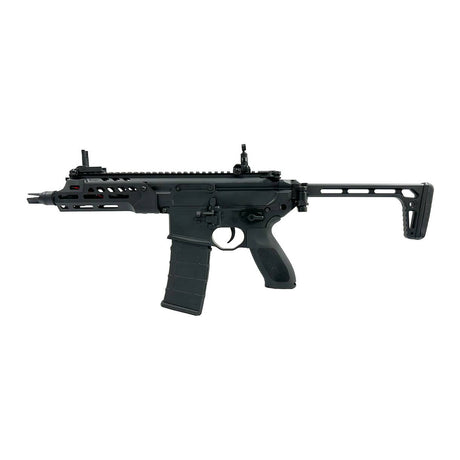
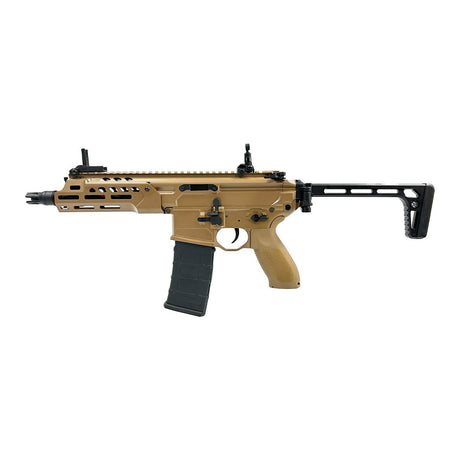
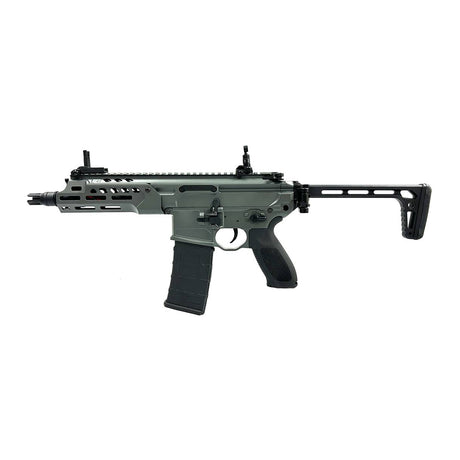
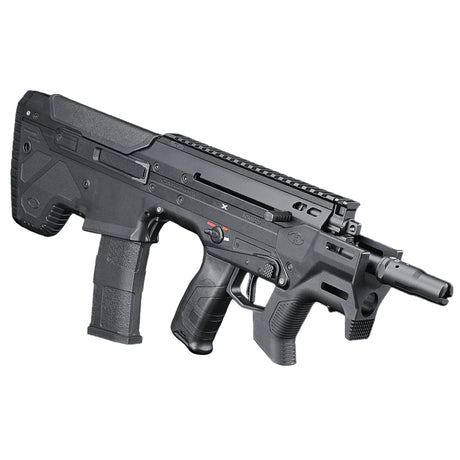
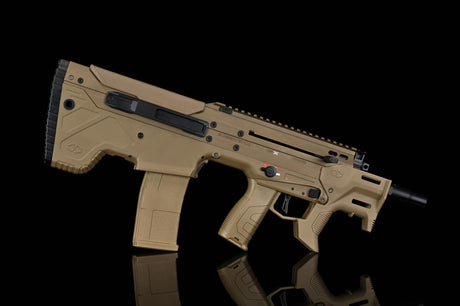
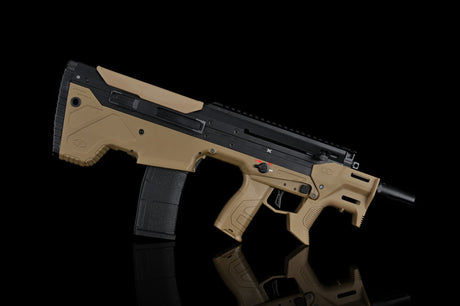
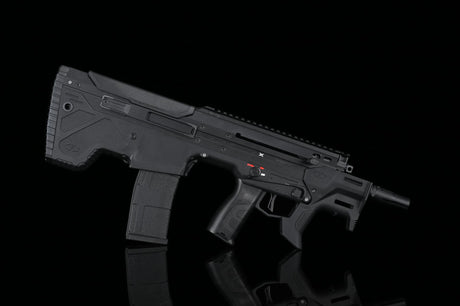
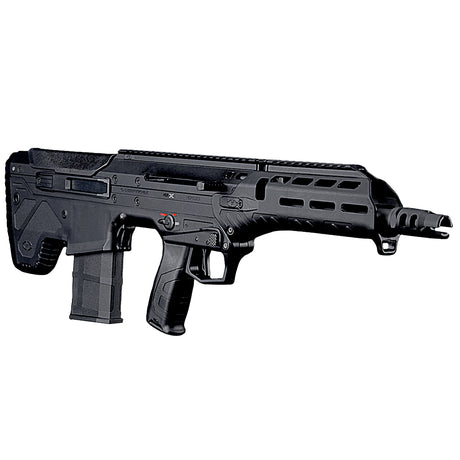
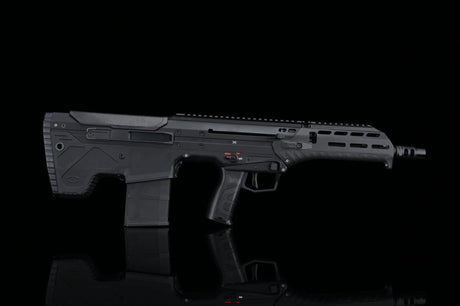
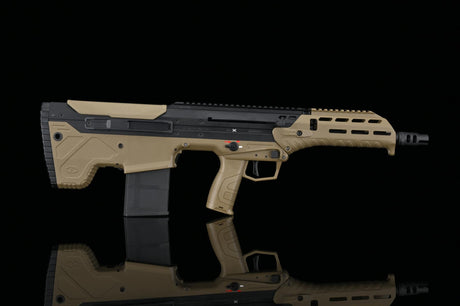
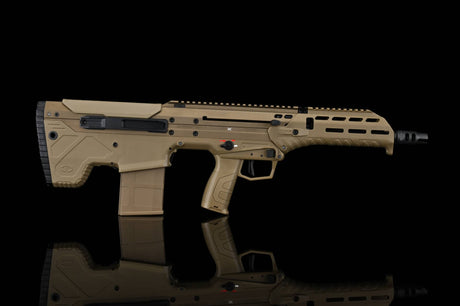
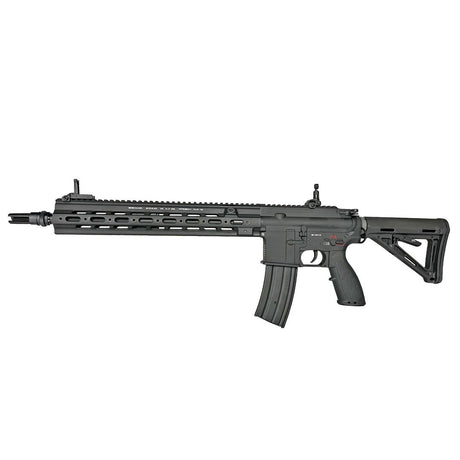
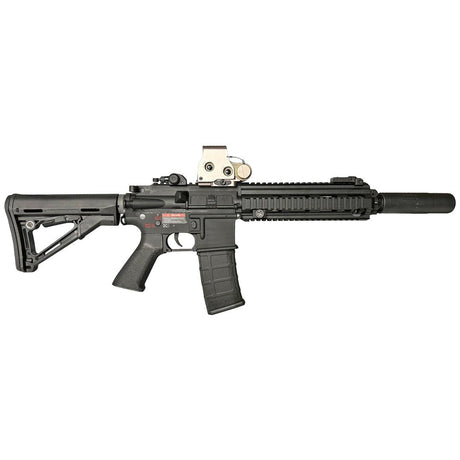
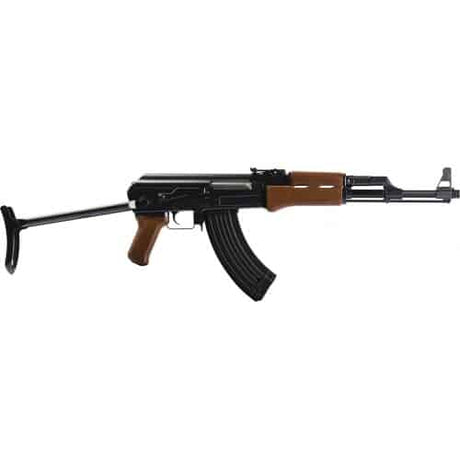
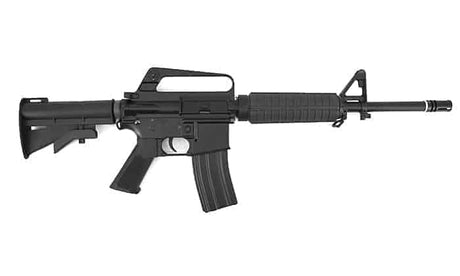
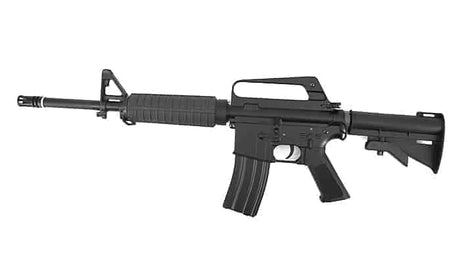
What if you could ditch the "sewing machine" feel of a standard AEG without the temperamental performance of a gas rifle in the pouring rain? We've all been there; you want the tactile kick of a blowback, but you don't want to deal with expensive magazines or winter reliability issues. The e&c e-bolt system is designed to solve this exact problem by bridging the gap between high-performance electric internals and realistic recoil.
At Socom Tactical Airsoft, we've seen plenty of gimmicky blowback systems, but you likely agree that a skirmish feels more immersive when your rifle fights back. Most players find that standard electric rifles lack the grit required for a truly tactical experience, whilst cheap alternatives often shatter gearboxes within a few games. This guide promises to show you how the e&c e-bolt delivers durability through its heavy-duty steel internals. We will dive into the mechanical nuances of the system, justify the investment for the serious player, and explain exactly how to maintain your recoil-enabled platform to ensure it stays skirmish-ready for years to come.
Key Takeaways
- Understand how the e&c e-bolt uses a steel-weighted reciprocating mass to deliver a punchier, sharper recoil impulse than standard electric blowback systems.
- Discover why the combination of reinforced gearbox shells and steel internals allows this platform to endure the mechanical stress of high-recoil skirmishing.
- Learn how the system compares to the Tokyo Marui NGRS, specifically regarding its tactile feedback and compatibility with standard V2 upgrade parts.
- Identify the essential battery requirements and why high-quality heavy-weight BBs are vital for maintaining accuracy on a recoil-heavy platform.
- Evaluate the tactical utility of this system for both CQB and woodland environments, providing high-end realism without a premium brand tax.
What is the E&C E-Bolt System? Realistic Recoil Explained
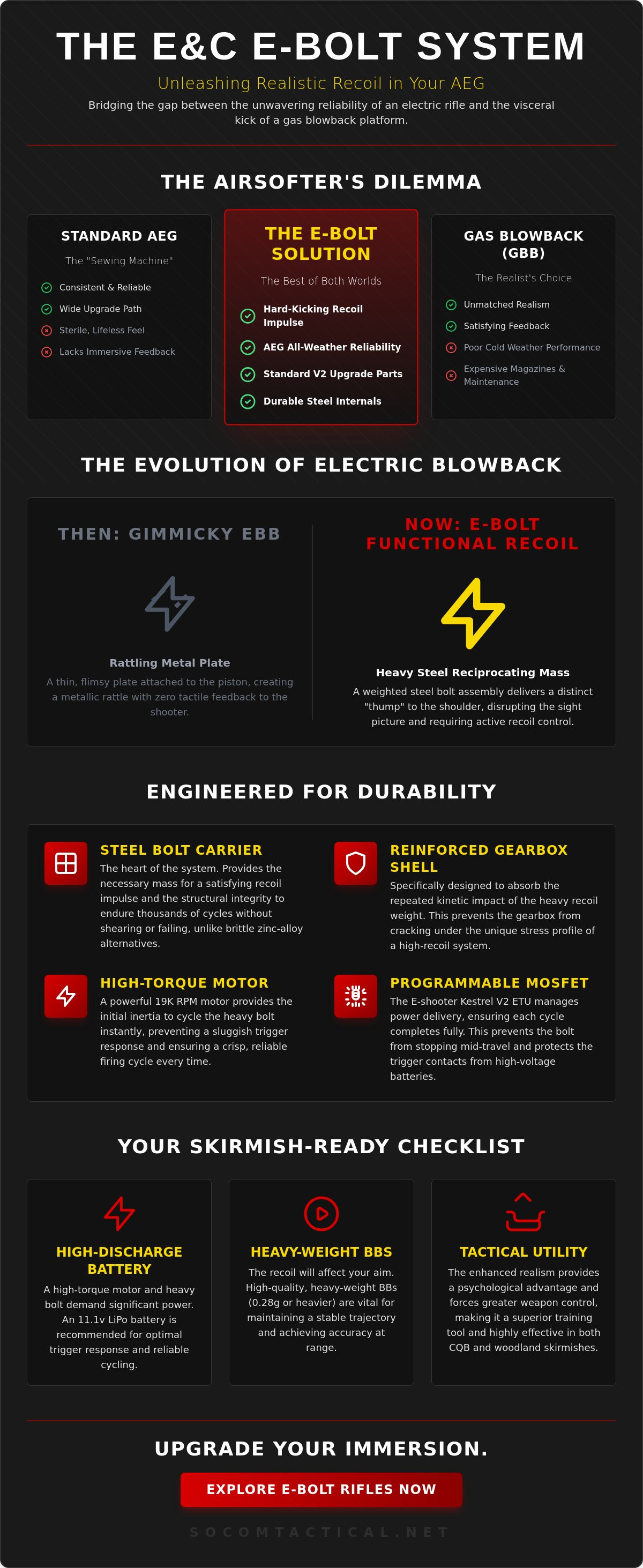
If you've spent any time on the skirmish field, you know that standard electric rifles can feel a bit sterile. The e&c e-bolt system is East & Crane's proprietary solution to this lack of feedback. It isn't just a cosmetic addition; it's a complete reimagining of how an electric rifle should behave during a firefight. By combining a heavy reciprocating mass with traditional gearbox components, the system provides a distinct "thump" in the shoulder every time you pull the trigger. The e&c e-bolt system represents a sophisticated hybrid of high-end AEG internals and kinetic recoil technology, designed to deliver a more visceral experience whilst maintaining the consistency of an electric platform.
The Evolution of Electric Blowback (EBB)
For years, electric blowback was a bit of a gimmick. Most older systems used a "dummy" blowback mechanism that simply rattled a thin piece of metal back and forth to simulate a bolt cover. It looked okay from a distance, but it offered zero tactile feedback to the shooter. The transition toward functional recoil has been a major milestone in airsoft gun technology, moving away from purely aesthetic movement. The E-Bolt mechanism takes this evolution a step further. Instead of a flimsy plate, it uses a heavy steel weight that moves with enough force to disrupt your sight picture, forcing you to control your rifle just like you would with a gas platform. This makes it a truly skirmish-ready option for players who visit Socom Tactical Airsoft looking for something more substantial than a basic starter kit.
Why Realism Matters on the Skirmish Field
Realism isn't just about looking the part in your latest loadout; it's about how you interact with your gear during intense tactical engagements. When you're laying down suppressive fire, the physical feedback from the e&c e-bolt helps you track your rate of fire and confirms that your rifle is cycling correctly without having to look at the ejection port. This tactile response adds a massive psychological advantage, making every shot feel more deliberate and impactful. It bridges the gap between training-grade realism and high-intensity gaming. Whether you're clearing a room in a CQB centre or holding a treeline in a woodland skirmish, the added kinetic feedback forces a level of weapon manipulation that standard AEGs simply can't replicate. It turns a simple game of tag into a high-stakes simulation where your equipment feels as rugged as the environment you're fighting in.
Inside the E-Bolt Mechanism: Engineering for Durability
Building a rifle that kicks is easy; building one that doesn't shake itself to pieces is the real challenge. The e&c e-bolt is engineered to handle the repeated kinetic impact that comes with a heavy reciprocating mass. Unlike standard AEGs where the internal stress is largely confined to the piston and gears, a recoil system transfers energy throughout the entire receiver. To combat this, East & Crane uses a reinforced gearbox shell designed specifically to absorb the forward impact of the recoil weight without cracking under pressure. It's built for the grind.
The Steel Bolt Carrier Advantage
The heart of the system is the steel bolt carrier. Most budget electric blowback rifles use cheap zinc-alloy castings. These materials are brittle and often suffer from "shearing" where the tabs connecting the bolt to the gearbox simply snap off after a few thousand rounds. Steel provides the necessary density for a satisfying recoil impulse whilst offering the structural integrity to endure thousands of cycles. The core principles of electric simulated recoil technology involve managing the kinetic energy of a reciprocating mass, and using steel ensures that this energy doesn't result in mechanical failure. If you are looking to customise your build further, checking out our parts and upgrades can help you fine-tune your platform's performance even more.
Programmable MOSFETs and High-Torque Motors
Cycling a heavy steel weight requires significant torque. The e&c e-bolt comes equipped with a high-torque 19K RPM motor that provides the initial inertia needed to snap the bolt back instantly. This prevents the "sluggish" trigger feeling often found in underpowered recoil systems. Managing this power is the E-shooter Kestrel V2 ETU. This programmable MOSFET ensures consistent cycle completion, meaning the bolt won't stop mid-travel when you're feathering the trigger in semi-auto. This is particularly important in the UK climate. Rapid fire in damp or cold conditions can lead to heat build-up and electrical resistance, but the Kestrel V2 monitors current draw to protect the motor from over-heating. It allows you to prioritise trigger response whilst maintaining the tactical reliability needed for a full day of skirmishing.
E-Bolt vs. NGRS: Performance and Reliability Comparison
The Tokyo Marui Next Gen Recoil Shock (NGRS) has long been the gold standard for electric recoil, but the e&c e-bolt is challenging that dominance with a more aggressive approach. Whilst the NGRS is known for its refined, smooth cycle, the E-Bolt is built for players who want to feel every single shot. It's a choice between a precision instrument and a rugged tactical tool. At a verified price point of £350.00 for models like the MK16, the E-Bolt offers a full-metal, steel-reinforced platform that often costs £150 to £200 less than its Japanese counterparts. It's about getting high-end feedback without the "prestige tax" associated with older brands.
Tactical Feedback and Recoil Impulse
The recoil impulse of the e&c e-bolt is noticeably sharper than the NGRS. This is due to the heavier steel mass mentioned in our technical breakdown. When you pull the trigger, the kinetic energy transfer to your shoulder is immediate and punchy. This creates a genuine muzzle climb simulation that forces you to actively manage your follow-up shots, especially during rapid semi-auto strings. The sound signature also sets it apart. Instead of the muffled "thud" of plastic and light alloy parts, you get a distinct metallic "clack" as the steel bolt carrier cycles. This mechanical resonance is deeply rooted in electromagnetic recoil system principles, where mass and velocity dictate the quality of the feedback. It sounds and feels like a rifle that means business.
Proprietary vs. Standard Parts
One of the biggest headaches with the NGRS system is its reliance on proprietary internals. If a gear snaps or a piston strips, you're often hunting for specific, expensive replacements. The e&c e-bolt takes a more technician-friendly route. Many of the internal parts and upgrades are compatible with standard V2 specifications. This means you can drop in common high-performance gears or pistons without needing a degree in engineering. Perhaps the most significant advantage is magazine compatibility. The E-Bolt uses standard AEG magazines, whereas the NGRS requires proprietary shells that can cost twice as much. For the DIY player who wants to maintain their own loadout, the E-Bolt is far more accessible.
In terms of longevity, the steel-reinforced build is designed to endure. You can typically expect 25,000 to 30,000 rounds of hard use before needing a significant service. Because the system generates more vibration than a standard AEG, we recommend a "check-over" every few months to ensure motor height and external screws remain tight. It's a small price to pay for a platform that delivers this level of immersion on the skirmish field.
Skirmish-Ready Setup: Batteries and Maintenance
Owning an e&c e-bolt is about more than just plugging in any old battery and hitting the field. Because this system uses a heavy steel weight and a high-torque 19K RPM motor, your power source and ammo choice are critical to performance. High-performance recoil systems demand more from your gear than a standard AEG. If you want to keep your rifle cycling crisp and your shots landing true, you need to optimise your setup for the added mechanical stress. This means choosing the right power source and using high-quality consumables that can handle the vibration.
Choosing the Right LiPo for Recoil Systems
Whilst a 7.4v LiPo might work for a basic build, the e&c e-bolt system truly requires an 11.1v LiPo to shine. The high-torque motor needs that extra voltage to overcome the initial inertia of the steel bolt carrier. Without it, you might experience "battery sag" during long strings of semi-auto fire, leading to a sluggish trigger response. You should look for a battery with a minimum discharge rating of 25C to 30C to ensure the motor gets the current it needs. Fitting these into the buffer tube can be a challenge. The recoil spring occupies a fair amount of internal space, so we recommend using "stick" or "buffer tube" style LiPos that are slim enough to slide in alongside the wiring loom.
Essential Maintenance for Moving Bolt Carriers
Vibration is the primary enemy of any recoil-enabled platform. The constant kinetic energy that makes the E-Bolt so much fun to shoot also works to loosen every screw on the rifle. It's vital to check your motor base plate, rail screws, and buffer tube castle nut after every few skirmishes. A small drop of blue thread-locker on non-permanent screws can save you a massive headache mid-game. Lubrication is equally important. You should apply a thin layer of light silicone grease to the tracks where the bolt carrier meets the upper receiver. This reduces friction and prevents premature wear on the metal surfaces. However, be careful not to over-lubricate; excess grease can migrate into the hop-up chamber and ruin your accuracy.
Accuracy also depends on your choice of ammunition. Standard 0.20g BBs are often too light for the muzzle climb and vibration generated by this system. For the best results, we suggest moving up to 0.28g or 0.30g BLS airsoft BBs. The added mass helps the BB maintain a stable flight path even as the rifle kicks in your hands. After approximately 10,000 rounds, it is worth performing a routine gearbox inspection to check the piston teeth and ensure the motor height hasn't shifted. Keeping a regular maintenance schedule ensures your platform remains skirmish-ready and reliable for the long haul.
Need to stock up on the right ammo for your new recoil build? Grab some heavy-weight BLS airsoft BBs here to keep your groupings tight under fire.
Why the E&C E-Bolt Belongs in Your Loadout
Choosing a primary rifle often feels like a compromise between the reliability of an AEG and the soul of a gas blowback. The e&c e-bolt eliminates that trade-off by offering a platform that kicks hard whilst remaining skirmish-ready in any weather. When you consider that East & Crane holds official manufacturing licences from real-steel giants like Colt and Daniel Defense, the external quality finally matches the internal innovation. You aren't just paying for a brand name; you're investing in a mechanical system that changes how you play. This level of kinetic feedback enhances the realism of your existing tactical gear, making every transition and reload feel authentic to the mission. It's a rugged, high-performance tool built for players who demand more from their equipment.
Customisation and Accessory Compatibility
The external fit and finish of these rifles are exceptional, providing a rock-solid foundation for your favourite attachments. This makes the E-Bolt an ideal base for a high-performance MilSim build. However, the added vibration means you must choose your accessories wisely. When mounting optical sights and red dots, we recommend using high-quality mounts that can withstand the constant mechanical resonance of the steel bolt. The platform is fully compatible with real-steel style handguards and stocks, allowing you to build a rifle that fits your specific tactical needs. Whether you are clearing tight corners in a CQB centre or engaging targets at range in the woods, the versatility of this system is unmatched.
Getting Expert Support from Socom Tactical Airsoft
Buying a specialised recoil system can be daunting, but you don't have to go it alone. The technical team at Socom Tactical Airsoft has extensive experience with E&C platforms and knows exactly how to keep these recoil mechanisms running at peak efficiency. Purchasing from a UK specialist means you get local warranty support and expert advice from people who actually play the game. We understand the nuances of the electronic control systems and the specific maintenance requirements of a reciprocating bolt. If you ever need a custom build, a specific repair, or just some advice on which LiPo will fit your buffer tube, you can contact us directly. We are here to ensure your gear never lets you down when the pyro starts flying.
So, is the e&c e-bolt the right choice for your next airsoft gun? If you want the immersion of a gas rifle with the round count and reliability of an electric one, the answer is a resounding yes. It bridges the gap between gaming and training, providing a tactile experience that standard AEGs simply cannot replicate. It's time to stop just shooting and start feeling the fight. Dominate your next skirmish with a rifle that's as tough as you are.
Dominate the Field with Authentic Recoil
The e&c e-bolt system is more than just a mechanical upgrade; it's a bridge to a more immersive way of playing. By opting for a steel-reinforced platform, you gain the tactile feedback of a gas blowback whilst keeping the all-weather reliability of a high-end AEG. This system ensures your rifle stays skirmish-ready, even in the toughest UK conditions. You don't have to settle for a standard electric rifle when you can have a platform that fights back. It's built for the grind.
At Socom Tactical, we've been providing gear curated by players since 2009. Our technical team offers expert support for all E&C platforms, backed by UK-based warranty and repair services to keep your kit in peak condition. Whether you're building a dedicated MilSim loadout or a versatile CQB primary, this system delivers the tactical grit you need to succeed. We understand what it takes to keep a recoil platform running cycle after cycle.
Explore the latest E&C E-Bolt rifles and upgrades at Socom Tactical and find your next primary today. Get your kit ready and we'll see you in the safe zone.
Frequently Asked Questions
Does the E&C E-Bolt system require special magazines?
No, the system is fully compatible with standard M4 AEG magazines. This is a significant advantage over other recoil platforms that force you to buy proprietary, expensive shells. You can use your existing mid-caps or hi-caps without any modifications, ensuring your loadout remains cost-effective whilst you enjoy the added realism of the reciprocating bolt. It makes transitioning from a standard rifle to this system incredibly simple.
Can I use a 7.4v LiPo battery with the E-Bolt mechanism?
You can technically use a 7.4v battery, but we strongly recommend an 11.1v LiPo for the best experience. The e&c e-bolt uses a high-torque 19K RPM motor to move a heavy steel weight; a lower voltage battery often results in sluggish trigger response and incomplete cycles. To ensure the gearbox cycles crisply and the recoil feels punchy, the extra voltage is necessary to overcome the initial mechanical inertia of the system.
Will the recoil vibration damage my red dot sight?
High-quality tactical optics will handle the vibration without any issues, but cheap, unrated clones might struggle. Because the recoil impulse is sharper than a standard electric rifle, we suggest using sights that are "real-steel" rated or specifically designed for GBBR platforms. Always check your mounting screws regularly. Applying a small amount of blue thread-locker to your optic mounts will prevent them from shaking loose during an intense skirmish.
How does the E-Bolt compare to a Gas Blowback (GBB) rifle?
The e&c e-bolt provides a similar tactile "thump" to a GBB but maintains the year-round reliability of an AEG. Gas rifles often suffer from "cool-down" issues in the UK winter, whilst this electric system performs consistently regardless of the temperature. You also get the benefit of higher magazine capacities and lower running costs. Whilst it lacks the complete mechanical realism of a gas trigger group, it's the superior choice for competitive gaming.
Is the E-Bolt system compatible with standard V2 gearbox internal parts?
Yes, many of the core internals such as the gears, piston, and motor are standard V2 compatible. This makes it a dream for DIY technicians who want to customise their performance. However, the gearbox shell itself and the recoil linkage components are proprietary to the system. You can easily upgrade the hop-up rubber or inner barrel using standard aftermarket parts to improve your range and accuracy on the field.
What happens if I want to disable the recoil feature?
You can disable the recoil by removing the internal linkage and weight, but this requires opening the gearbox and should be done by a professional. The system is engineered as a complete package, so we don't recommend disabling it unless absolutely necessary. If you prefer a static rifle, it's usually better to opt for a standard E&C AEG from the start. Most players find that once they feel the kick, they never want to go back.
Do E&C E-Bolt rifles come with a MOSFET pre-installed?
Yes, every rifle in this range comes equipped with the E-shooter Kestrel V2 ETU as standard. This programmable MOSFET allows you to customise fire modes, including burst fire and binary trigger settings. It also provides essential battery protection and ensures the motor completes a full cycle every time you pull the trigger. This electronic control is what keeps the high-torque system running smoothly even during rapid semi-auto strings.
Is it legal to own an E&C E-Bolt rifle without a UKARA in the UK?
You must have a valid defence, such as a UKARA registration, to purchase an E-Bolt rifle in its original "Realistic Imitation Firearm" (RIF) state. If you don't have a defence, the rifle must be "two-toned," meaning at least 51% of the exterior is painted in a bright, non-realistic colour. It's perfectly legal to own one once purchased, but retailers cannot sell a black RIF to anyone without verifying their skirmisher status first.