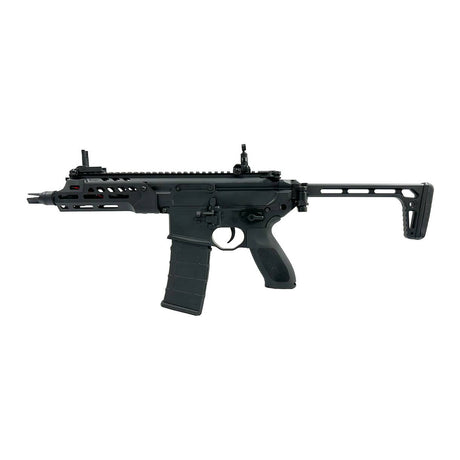
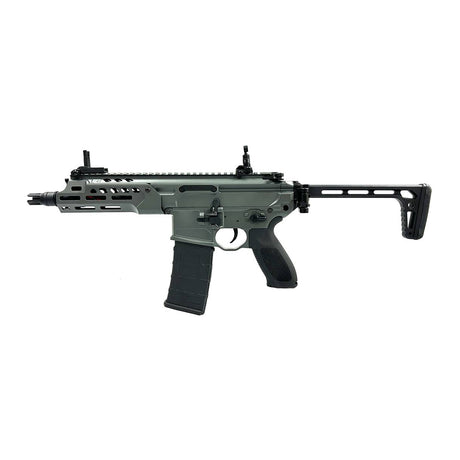
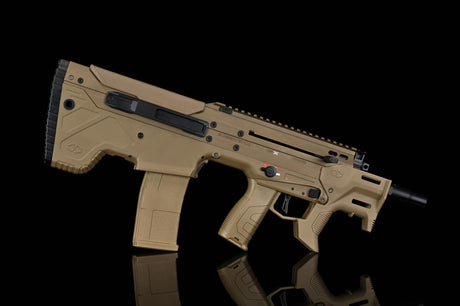
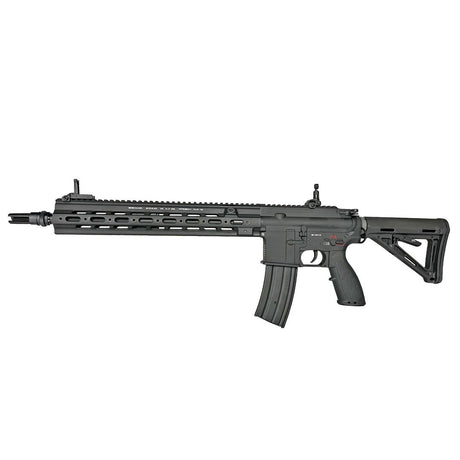
Your standard AEG gearbox is essentially a ticking time bomb of mechanical stress that's destined to fail exactly when you're holding the line during a high-stakes weekend skirmish. Most of us have been there; you're deep in the woods, the temperature drops, and suddenly your gas sidearm is venting or your gears are grinding to a halt. It's a common frustration that can ruin a perfectly good day out, but it doesn't have to be your reality. Transitioning to a high-performance hpa unit represents a fundamental shift towards a simplified, pneumatic ecosystem that removes those mechanical headaches entirely whilst boosting your field presence.
You likely agree that nothing beats the feeling of a platform that just works, regardless of the weather or the intensity of the engagement. This guide promises to help you master the technical nuances of High Pressure Air units so you can achieve unrivalled consistency, instant trigger response, and professional-grade reliability. We'll preview the essential kit you need to get started, explain how to configure your FCU for custom rates of fire, and show you how to manage your tank and line setup so you can focus on the mission instead of your plumbing.
Key Takeaways
- Understand how an hpa unit serves as the heart of your build, replacing mechanical gearboxes with a high-performance pneumatic engine.
- Identify the performance advantages of different engine types, from full drop-in kits to versatile cylinder replacements.
- Learn to fine-tune your dwell settings and solenoid timing to achieve unmatched FPS consistency and superior air efficiency.
- Evaluate the trade-offs between aluminium and carbon fibre tanks to optimise your loadout's weight and shot capacity.
- Master essential maintenance and alignment techniques to prevent feeding issues and ensure your setup is always skirmish-ready.
What is an HPA Unit in Airsoft? Beyond the Physics
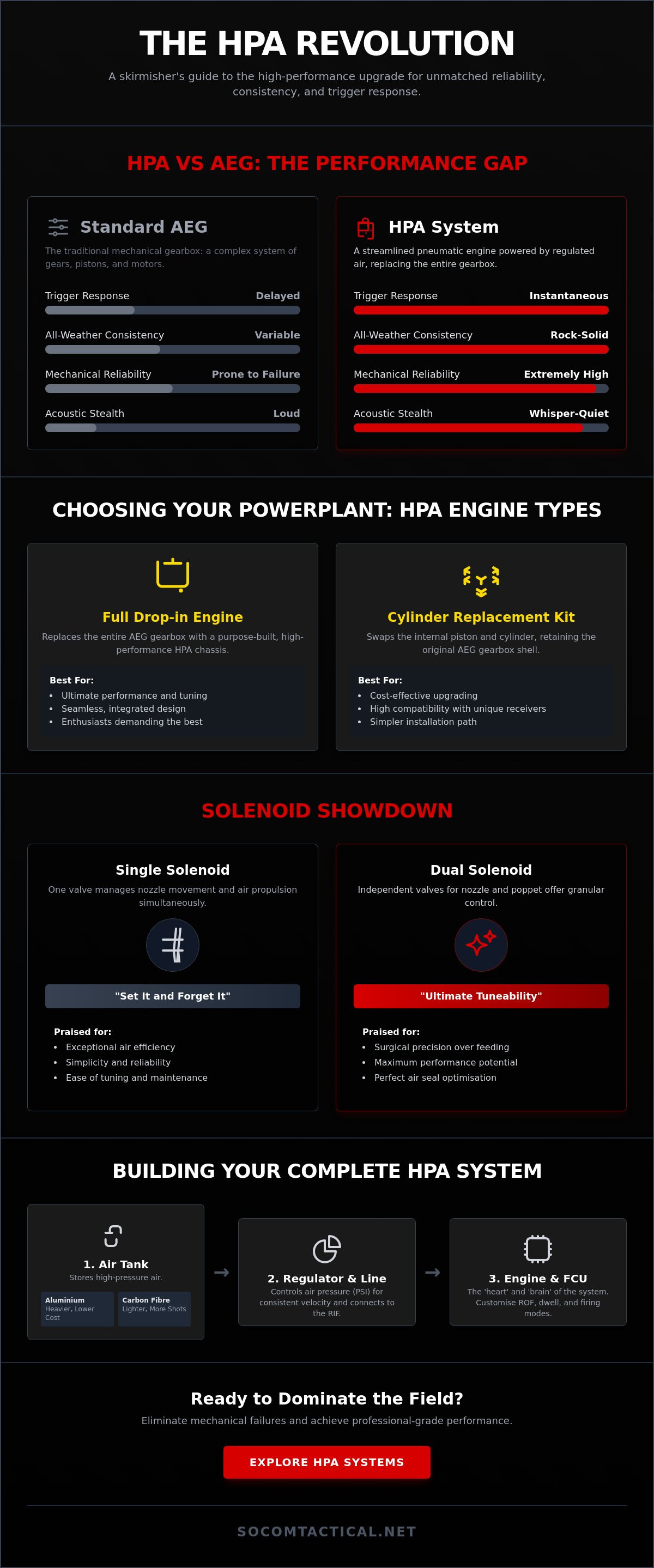
You've likely seen the "hectopascal" results when searching for the term online, but let's be clear: we aren't here for a weather report. In our community, an hpa unit is the high-performance engine that sits at the heart of a pneumatic revolution. It completely replaces the traditional AEG gearbox, swapping out a complex web of gears, pistons, and motors for a streamlined system powered by regulated air. This isn't just a minor tweak; it's a total overhaul of how your RIF functions.
By moving away from mechanical strain, you're embracing a platform that uses a dedicated air tank to drive every shot. This shift from mechanical complexity to pneumatic simplicity is more than just a trend. It's a fundamental upgrade for players who demand that their kit works perfectly every time they pull the trigger. Modern High-Pressure Air (HPA) systems rely on a regulated external source to propel BBs, bypassing the inherent weaknesses of traditional power sources. If you're planning a serious build, checking out specialised parts and upgrades is the best way to ensure your engine is paired with the right components for maximum field-readiness.
Why Skirmishers are Switching to HPA Systems
Consistency is the primary driver for this transition. Unlike gas blowback pistols or rifles that suffer from significant FPS drop-off in cold weather, HPA remains rock-solid regardless of the ambient temperature. You get the same muzzle velocity on the first shot as you do on the last, ensuring your point of aim stays true. Reliability is another massive win. Because there are fewer moving parts to wear down, the chance of a mid-game mechanical failure is drastically reduced. Finally, there's the ease of adjustability. With a modern Fire Control Unit (FCU), you can change your muzzle velocity or rate of fire in seconds to meet specific site limits without ever opening your gun.
HPA vs AEG: A Brief Overview of the Performance Gap
The performance difference is often night and day. Trigger response in an hpa unit is near-instantaneous because you aren't waiting for a motor to wind up or a piston to cycle. You tap the trigger; the solenoid opens; the BB is gone. This allows for extreme rates of fire that would simply shred a standard AEG gearbox. Beyond raw speed, there's the stealth factor. Without the high-pitched whine of a motor, HPA builds can be tuned for whisper-quiet operation. This makes them the ultimate choice for marksman roles where staying hidden is vital for success.
Types of HPA Engines: Choosing Your Powerplant
Choosing the right hpa unit is about matching the engine to your specific playstyle and mechanical confidence. There are two primary ways to upgrade. You can opt for a full drop-in engine, like the legendary Polarstar Fusion Engine, which replaces your entire AEG gearbox with a purpose-built chassis. Alternatively, cylinder replacement kits allow you to keep your existing gearbox shell whilst swapping the internal piston and cylinder for a pneumatic assembly. This second option is often more cost-effective and allows for better compatibility with unique receiver shapes.
At the core of every electronic hpa unit is the solenoid. Think of this as an ultra-fast valve that opens and closes to release precise bursts of air. This is managed by the Fire Control Unit (FCU), a programmable "brain" that lets you customise everything from your burst fire settings to how long the nozzle stays forward. Industry giants like Polarstar, Wolverine Airsoft, and the tech-heavy Gate have refined these systems to be incredibly reliable. If you're ready to see the current top-tier options, you can browse our full range of airsoft brands to find the perfect fit for your RIF.
Single Solenoid vs. Dual Solenoid Units
Single solenoid units, such as the Wolverine Inferno Gen 2, are prized for their simplicity and air efficiency. They use one valve to manage both the nozzle movement and the shot itself. They're perfect for players who want a "set it and forget it" experience. In contrast, dual solenoid units like the Polarstar F2 offer independent control over the poppet and the nozzle. This provides ultimate tuneability, allowing you to perfect your feeding and air seal with surgical precision.
Mechanical HPA Units: No Batteries Required
For the Milsim purists and those who frequently play in the unpredictable British rain, mechanical systems like the Polarstar Kythera or Redline N7 are game-changers. These units require no batteries or FCUs. They rely on clever pneumatic resets to provide a crisp, "real-feel" trigger break that mimics a genuine firearm. Because there are no electronics to short-circuit, they are virtually bulletproof in wet conditions.
Regardless of which engine you pick, remember that your air source is just as critical. Whilst we focus on the internal mechanics here, you must ensure your external gear meets high standards. Always keep your equipment in top shape by following recognised safety protocols, such as the OSHA safety standards for air tanks, to ensure your high-pressure setup remains safe on and off the field. This attention to detail ensures your platform is ready for the most demanding skirmishes.
Performance Metrics: FPS, ROF, and Air Efficiency
When we talk about performance, we aren't just chasing high numbers; we're chasing consistency. A high-quality hpa unit is capable of delivering a variance of as little as +/- 1 FPS between shots. This level of precision is virtually impossible for a standard AEG to maintain over a long skirmish. Because the air release is controlled by a precise electronic solenoid rather than a mechanical spring and piston, the variables that cause "flyers" or inconsistent groupings are almost entirely eliminated. This creates a platform where your only limitation is your own marksmanship.
To reach this level of perfection, you must understand "Dwell". This setting on your Fire Control Unit (FCU) determines exactly how long the solenoid remains open. If your dwell is too high, you're venting excess air out of the barrel after the BB has already departed, which wastes your tank capacity. If it's too low, the BB won't receive enough volume to reach its full velocity. Perfecting your dwell ensures that your hpa unit is volume-matched to your barrel length and bore size, resulting in a whisper-quiet shot and maximum air efficiency.
Responsible power management also means understanding "Joule Creep". This phenomenon occurs because HPA systems provide a constant pressure behind the BB. Heavier projectiles stay in the barrel longer, allowing more air to push them and potentially increasing their energy output beyond site limits. To stay safe and fair, always calibrate your system using the specific BB weight you intend to use on the field. This ensures your build remains within legal limits whilst providing the heavy-hitting range you desire.
Maximising Your Tank Capacity
Every bit of air counts when you're deep in a multi-hour engagement. Engine efficiency directly dictates how many shots you get per fill. Generally, closed-bolt systems are more efficient than open-bolt designs because the nozzle is already seated in the hop-up bucking before the air is released. By fine-tuning your poppet and nozzle settings, you can significantly reduce air consumption, allowing a standard 48ci aluminium tank to last much longer than a factory-default setup.
Achieving the Perfect Trigger Response
The hallmark of a professional HPA build is the hair-trigger. By adjusting the physical trigger travel and using the FCU to eliminate electronic lag, you can achieve a response that feels truly instantaneous. This speed allows you to snap onto targets and follow up shots with incredible pace. High-quality optical sights complement this accuracy by giving you a clear point of aim that matches the surgical precision of your pneumatic engine. When your trigger response and optics are perfectly synced, you become a formidable force on any skirmish field.
The Complete HPA Setup: Regulators, Lines, and Tanks
Investing in a high-quality hpa unit is a massive leap forward, but the engine itself is only one part of a wider ecosystem. To get your platform field-ready, you need to build a reliable "plumbing" circuit that delivers air from your back to your barrel. This is where many players underestimate the total cost of ownership. Beyond the internal engine, you must factor in an air tank, a regulator, and a remote line. Each component plays a critical role in maintaining the consistency we discussed in previous sections.
Your choice of air tank usually comes down to a trade-off between weight and capacity. Aluminium tanks are the rugged, budget-friendly workhorses of the community, typically rated for 3000 PSI. They're heavier but perfect for those just starting out. If you're a high-speed player or someone who attends multi-day Milsim events, carbon fibre is the superior choice. These tanks are significantly lighter and can hold up to 4500 PSI, giving you a much higher shot count per fill. To bridge the gap, you'll need a remote line. Straight lines are streamlined and less likely to snag on woodland brush, whilst coiled lines provide extra stretch for players who frequently switch shoulders in CQB environments.
The most vital piece of external kit is your regulator. This device steps the high pressure of the tank down to a level your engine can handle. A regulator with a high refresh rate is essential if you plan on using a high rate of fire. If the regulator can't recover quickly enough between shots, your FPS will tank during rapid strings of fire, ruining your accuracy. If you're ready to assemble your full kit, you can find all the necessary HPA parts and upgrades to ensure your system is balanced and reliable.
Understanding PSI and Output Pressure
Standard operating pressures for a modern hpa unit usually sit between 40 and 120 PSI. It is important to distinguish between your tank pressure (3000 or 4500 PSI) and your regulated output pressure. Your regulator is a safety-critical component. Never attempt to use unapproved air sources or bypass the regulator, as this will lead to catastrophic failure of your engine's seals and potential injury. Most UK sites require a "tournament lock" on your regulator to ensure you don't adjust your power levels after you've passed the chronograph.
HPA Batteries and Connectors
Whilst they don't drive a heavy motor, electronic HPA engines still require a small power source for the Fire Control Unit (FCU) and solenoids. These typically use tiny 7.4v LiPo batteries with JST-style connectors. Because these batteries are so small, they are easy to tuck away inside a pistol grip or a stock tube. However, they still require respect and proper care. For general safety tips and advice on avoiding cell damage, refer to our guide on LiPo batteries. Protecting these electronics from moisture and physical pinched wires is the final step in ensuring your build is truly skirmish-ready.
Installation and Maintenance: Getting Skirmish-Ready
Setting up your hpa unit correctly is the difference between a world-class marksman build and a frustrating day of jammed magazines. Whilst the internal mechanics are simpler than an AEG, the precision required for installation is much higher. Nozzle alignment is the most critical factor. If your nozzle doesn't sit perfectly in the centre of the hop-up chamber, you'll experience inconsistent hop-up application and erratic groupings. Even a fraction of a millimetre can ruin your range.
Maintenance is thankfully straightforward but requires a disciplined routine. You should regularly inspect and lubricate the internal O-rings with high-quality silicone grease specifically designed for airsoft. Avoid flooding the solenoid with oil; a light coat is all that's needed to ensure a perfect air seal. If you notice "stuttering" or hear a faint hiss of an air leak, it's usually down to a dry seal or a loose fitting on your remote line. Whilst many players enjoy the DIY aspect of building a RIF, some complex installs require milling the gearbox shell. If you aren't comfortable with high-precision modifications, it's always safer to use a professional tech service to ensure your engine is seated perfectly.
Step-by-Step Alignment Check
Alignment on an hpa unit can be verified with a simple torch test. Remove your upper receiver and look down the feed tube of the hop-up unit whilst shining a light through the barrel. The nozzle should be dead centre. You also need to watch out for "mid-cap syndrome," where the upward pressure from a fully loaded magazine pushes the nozzle out of alignment. Using high-quality BBs like those from BLS helps mitigate feeding friction, ensuring that even under high magazine spring tension, your nozzle cycles smoothly into the bucking.
Field Readiness and Legality in the UK
Before you head to your local site, you must ensure your setup is compliant with UK law and site-specific rules. Every HPA regulator must have a "tournament lock" installed. This is usually a small plastic cap or a wire tie that prevents you from adjusting the PSI after you've passed the chronograph. It's a vital safety measure that maintains trust between players on the field. As a premier UK airsoft shop, we always recommend double-checking your energy output in Joules, as HPA systems are particularly susceptible to Joule creep. If you're unsure about RIF legality or the specifics of UKARA, consult our FAQ page for a full breakdown of the current regulations. Staying informed keeps the game safe and ensures your high-performance build remains within the legal limits of the skirmish field.
Dominating the Field with Pneumatic Precision
Transitioning to an hpa unit isn't just about raw speed; it's about gaining total control over your performance on the skirmish field. We've explored how pneumatic engines eliminate the mechanical stress of traditional gearboxes, the vital role of precise nozzle alignment, and how a balanced regulator setup ensures shot-to-shot consistency. This shift from gear-driven systems to regulated air provides the rugged reliability needed for the most intense engagements, regardless of the British weather.
We're here to help you make that transition seamless. As an authorised UK dealer for industry leaders like Polarstar and Wolverine, we provide the technical expertise your build deserves. Whether you're looking for competitive pricing on complete air rigs or require expert technical support for your installation, our team is ready to get you operational. Explore our range of HPA units and engines today and transform your platform into a surgical tool of precision. Your journey towards a whisper-quiet, high-response build starts with the right foundation; we'll see you on the front lines.
Frequently Asked Questions
Do I need a specific gearbox for an HPA unit?
Most HPA engines are designed to fit into standard Version 2 or Version 3 gearbox shells with minimal modification. Whilst some platforms replace the entire shell, cylinder-style engines simply slide into your existing housing. You don't usually need a brand-new shell, but you must ensure the engine you choose is compatible with your rifle's specific gearbox type to maintain proper nozzle alignment and feeding.
How many shots can I get from a standard 48ci 3000psi HPA tank?
A standard 48 cubic inch, 3000 PSI aluminium tank typically provides between 500 and 700 shots per fill. This figure depends heavily on your dwell settings and the efficiency of your specific hpa unit. If you're a heavy-handed support gunner, you might find yourself refilling between games, whereas a conservative marksman could easily make a single tank last for an entire morning session.
Is HPA better than an AEG for cold weather airsoft?
HPA systems are significantly more reliable than both AEGs and gas platforms when the temperature drops. Unlike green gas, which loses pressure in the cold, or LiPo batteries, which can struggle to provide high current in freezing conditions, compressed air remains stable. This ensures your FPS stays consistent and your trigger response remains crisp even during the most brutal winter skirmishes in the UK.
Can I install an HPA unit myself or do I need a technician?
If you're comfortable with basic tools and have a patient eye for detail, a drop-in installation is entirely possible. However, achieving perfect nozzle alignment often requires fine adjustments that can be daunting for beginners. If your build requires milling the gearbox shell or complex wire routing, we recommend using a professional technician to ensure your hpa unit doesn't suffer from premature wear or feeding issues.
Are HPA guns allowed at all UK airsoft sites?
Virtually every airsoft site in the UK allows HPA systems, provided they are fitted with a tournament lock. This physical seal prevents you from adjusting your regulator's output pressure after you've passed the chronograph. Always check the specific Joule limits of your local field, as many sites now require HPA users to be tested with the BB weight they intend to use during the game.
What is the difference between an open-bolt and a closed-bolt HPA engine?
In an open-bolt system, the nozzle sits back and only moves forward to chamber a BB when you pull the trigger. Closed-bolt systems have the nozzle already seated in the hop-up bucking before the shot is fired. This generally leads to better shot-to-shot consistency and improved accuracy, as the BB is perfectly stabilised before the air is released from the solenoid, reducing the chance of mid-flight turbulence.
How often do I need to lubricate my HPA unit?
You should perform basic maintenance every 10,000 to 20,000 shots or roughly every few months of regular use. This involves a light application of specialised silicone grease to the internal O-rings and moving parts. Over-lubricating is a common mistake that can lead to solenoid clogs or grease reaching your hop-up bucking, so a "less is more" approach is vital for maintaining peak performance and reliability.
Do HPA units require a battery to function?
Most modern engines require a small 7.4v LiPo battery to power the Fire Control Unit and the solenoids. These batteries are incredibly small and can last for thousands of shots because they aren't driving a heavy motor. If you want to avoid batteries entirely, you'll need to opt for a purely mechanical hpa unit which uses a pneumatic reset system instead of electronic components to cycle the engine.