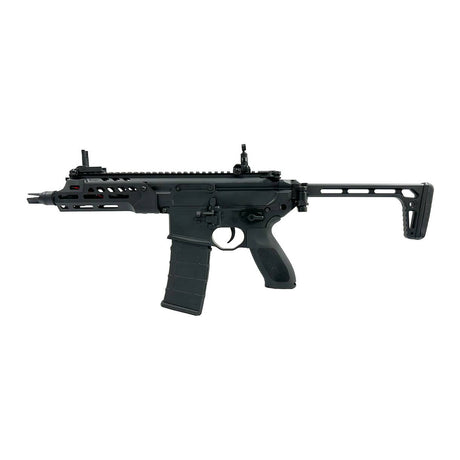
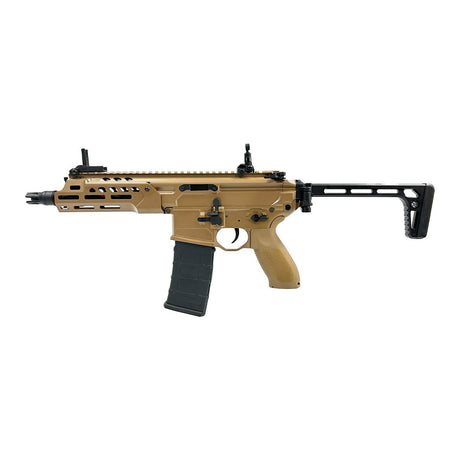
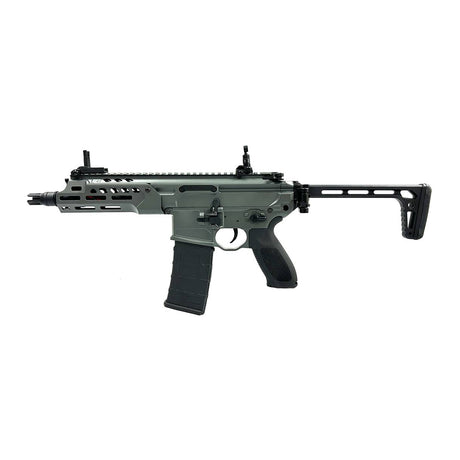
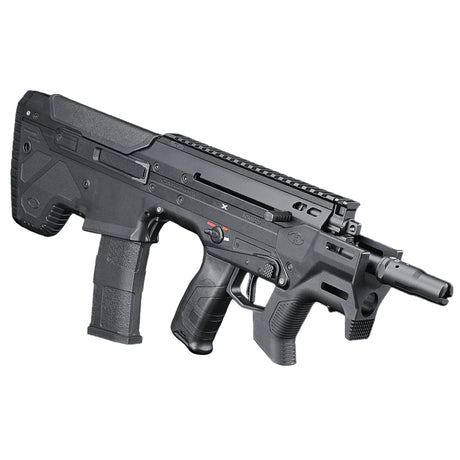
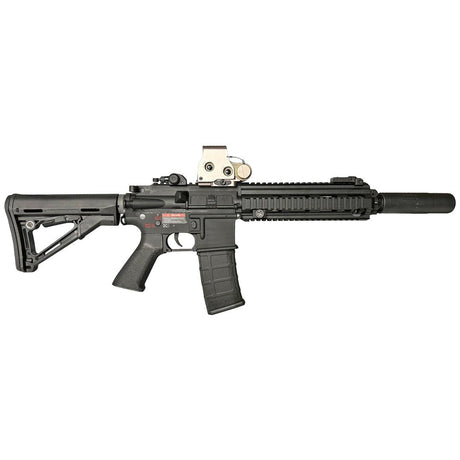
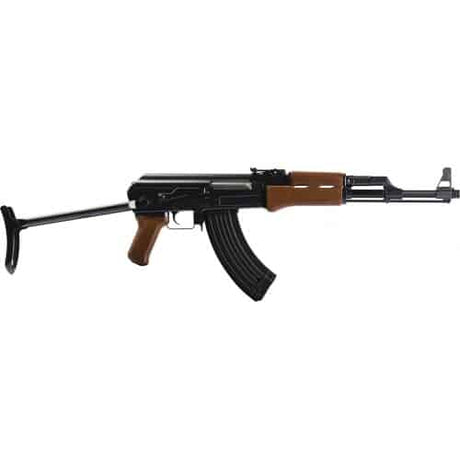
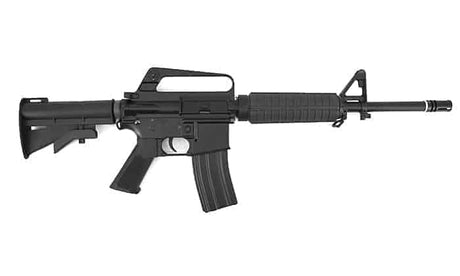
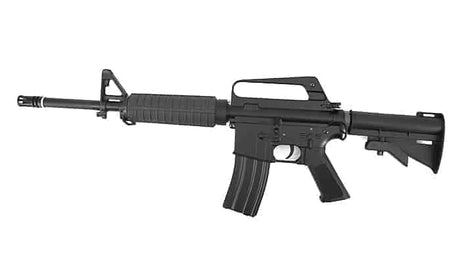
All experienced airsofters know the pain of something breaking on your favourite primary, but the parts have been discontinued. But before you throw out your beloved weapon, check out our guide to 3D printed airsoft parts that could bring you back from the brink.
Whether you still have your first weapon that's seen you through thick and thin, or you found your dream vintage gun, but it needs some serious TLC, 3D printing could be the answer to all your airsoft prayers. Here's everything you need to know about 3D printed airsoft parts.
3D Printed Airsoft Parts: Key Takeaways
- 3D printing allows you to customise, repair, and upgrade airsoft parts quickly and affordably, often saving up to 70% vs traditional replacements.
- Choose the right material: PLA for cosmetic parts, PETG for durability, and carbon fibre nylon for high-stress components.
- Safely print external and accessory parts like grips, mounts, and adapters, but avoid critical internal or high-pressure components.
- Use trusted sources or professional printing for reliability, as industrial-grade prints offer better strength and consistency than home setups.
- Always follow UK laws and safety guidelines, ensuring printed parts comply with VCRA regulations and don’t compromise performance or safety.
Why 3D Printing is a Game-Changer for Airsoft

3D printing has been around for a while and has been used for many things, but using it to make airsoft parts is a game-changer in many ways.
Customisation
One of the biggest advantages of 3D printing for airsofters is the ability to customise parts to fit their needs perfectly.
Whether it’s designing grips tailored specifically to the shape and size of your hands or creating unique rails for mounting accessories, 3D printing gives you the freedom to adapt your equipment in ways that mass-manufactured parts simply cannot.
This level of personalisation ensures a more comfortable and effective performance in the field.
Problem Solving
3D printing also shines in its ability to solve compatibility issues that often plague airsoft builds.
Need an adapter for an HPA system? Or perhaps you’ve got a rare optic that doesn’t align with any standard mounting systems?
With 3D printing, you can design and produce solutions tailored to your specific setup, unlocking opportunities that would otherwise be costly or entirely unavailable.
Rapid Repairs
Nothing is more frustrating than having a game-day ruined by a small but crucial part breaking.
This is where 3D printing can save the day. From replacing a broken battery door to crafting a new selector switch, you can print and fit essential parts in hours rather than waiting weeks for replacements to arrive from overseas suppliers.
This ability to quickly repair and get back into action is a game-changer for airsofters of all experience levels.
Cost-Effectiveness
For many airsofters, budget constraints are a constant consideration, and this is where 3D printing truly excels.
While some parts, especially cosmetic ones, are often incredibly expensive when made of metal or injection-moulded plastic, 3D printing offers a far more affordable alternative.
On average, you can save up to 70% on small additions or replacements by printing them yourself, allowing you to upgrade and maintain your gear without breaking the bank.
Materials Matter: Choosing the Right Filament
The most important part of 3D printing anything, but especially airsoft parts, is making sure you have the right filament to create durable parts.
Here's a brief rundown:
PLA/PLA+
PLA and PLA+ are excellent choices for prototyping or creating low-impact external "dress-up" kits. These filaments are easy to print with, affordable, and provide a smooth finish, making them ideal for non-structural components or aesthetic upgrades on your airsoft gear.
PETG
PETG is the perfect middle ground for airsoft parts, offering better impact resistance and UV stability compared to PLA. This makes it ideal for components that need to endure tougher conditions, especially during outdoor games, while still being relatively easy to print with.
Nylon (Carbon Fibre Reinforced)
Nylon reinforced with carbon fibre is considered the gold standard for 3D printing airsoft parts due to its exceptional strength, durability, and resistance to wear.
This material combines the flexibility and toughness of nylon with the added rigidity provided by carbon fibre, making it ideal for high-stress components such as stock adapters or rail segments.
These parts endure significant mechanical forces during gameplay, and the superior performance of carbon fibre nylon ensures they can withstand repeated impacts, heavy loads, and prolonged use without compromising reliability.
TPU
TPU (Thermoplastic Polyurethane) is a highly versatile material known for its flexibility, abrasion resistance, and impact absorption.
These properties make it an excellent choice for applications such as gaskets, butt-pads, or protective lens covers, where durability and cushioning are essential. Its ability to withstand wear and tear while maintaining elasticity ensures reliable performance in demanding conditions.
What Parts Should You (and Shouldn’t You) 3D Print?
While 3D printing is a great way to repair or upgrade your weapon, there are certain parts that you definitely shouldn't replace with anything other than legitimate spares, and there are some parts you can get creative with a 3D printer.
The Yes List of 3D Printing Parts
When it comes to parts you can safely replace or upgrade with 3D printed components, there are several categories where 3D printing excels in both creativity and practicality:
- External Furniture: Items like foregrips, rail covers, and stocks can be easily customised and replaced using 3D printing. These parts are non-essential to the weapon's core functionality and allow for personalisation in terms of ergonomics and aesthetics.
- Tactical Gear: Accessories such as mag pouch inserts, GoPro mounts, and battery boxes are ideal for 3D printing. These items are versatile, and custom designs can enhance their utility while keeping costs minimal.
- Replica Parts: Specific adapters, for example, those for the AAP-01 or ASG Dan Wesson replicas, are another great use case for 3D printing. These components often require precise customisation, and the adaptability of 3D printing makes it the perfect solution for creating unique or hard-to-find parts.
The No List of 3D Printing Parts
While 3D printing offers incredible versatility, there are certain airsoft gun parts that should never be replaced with 3D-printed alternatives due to safety and functionality concerns. For example:
- Load-bearing internal gearbox components should not be 3D printed unless using high-end SLS (Selective Laser Sintering) technology. The precision and strength requirements of these parts typically exceed the capabilities of standard 3D printing materials and methods.
- High-pressure HPA components, which pose significant safety risks if replaced with 3D printed versions. These parts must withstand considerable pressure, and failure could lead to dangerous outcomes.
- Primary load-bearing sling mounts should also be avoided when it comes to 3D printing, as weaker materials could result in your RIF (Replica Imitation Firearm) being dropped or damaged during use.
It's essential to know and respect these limitations to ensure both your safety and the durability of your equipment.
Case Study: The 6 Shooters Range
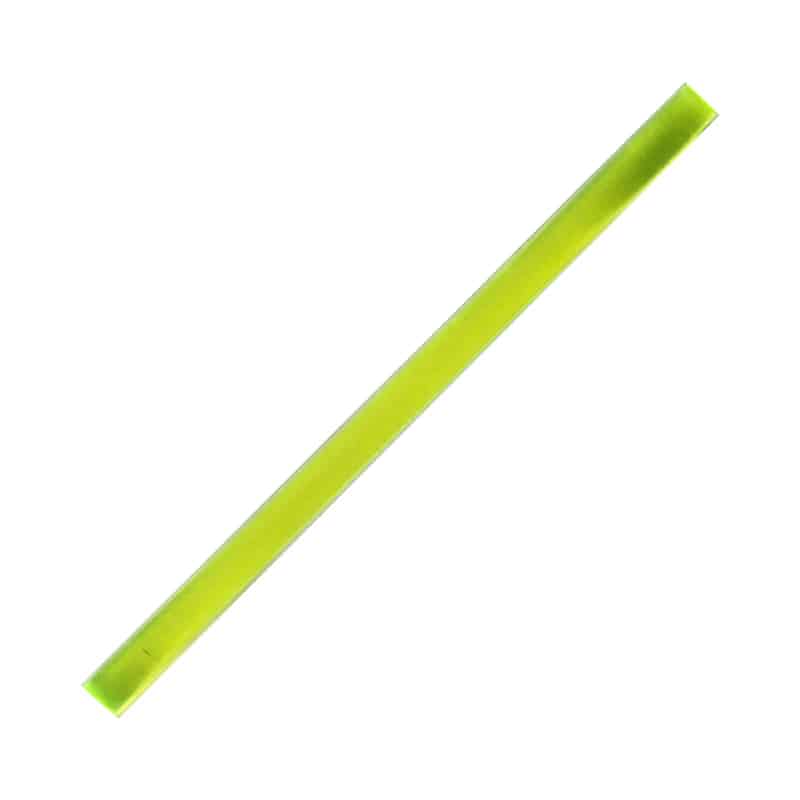
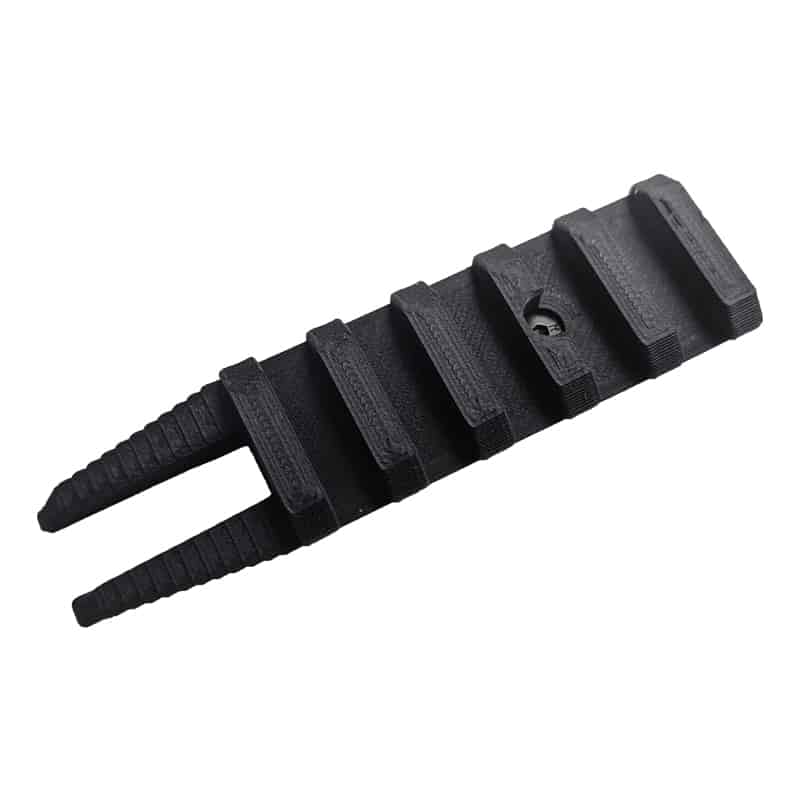
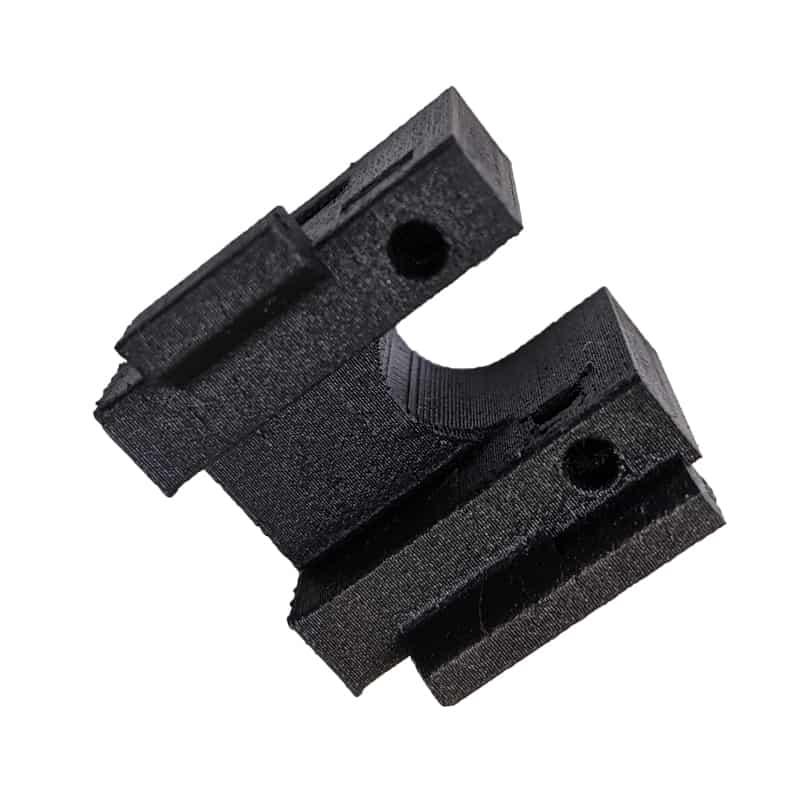
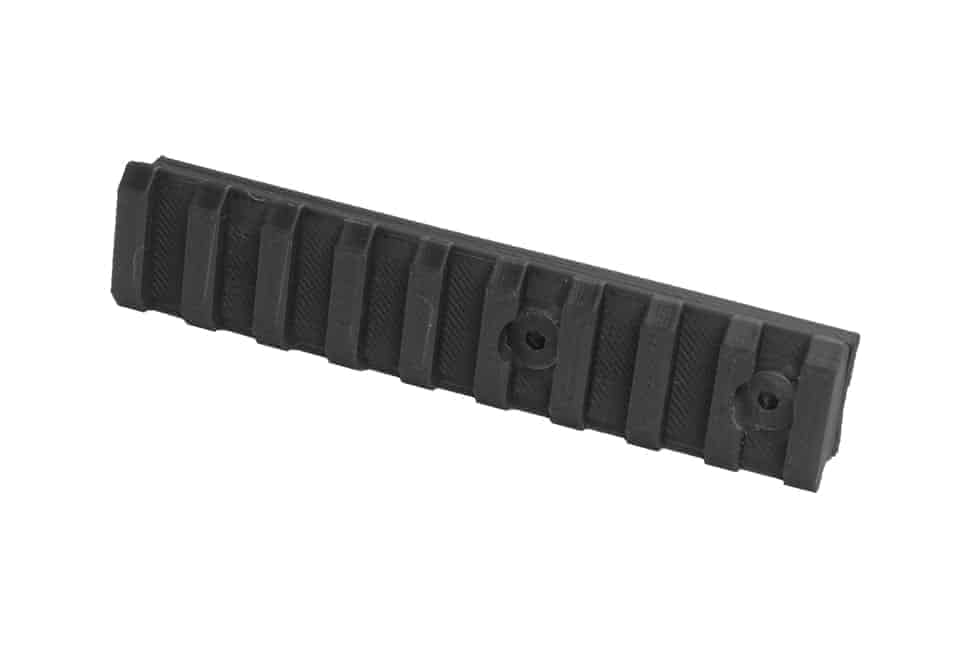
When it comes to critical components, investing in professionally printed parts using industrial-grade FDM (Fused Deposition Modelling) or SLA (Stereolithography) technology is often the superior choice over "home-rolled" prints.
Professional printing ensures parts are manufactured with precision, uniformity, and high-quality materials that meet industry standards.
This reliability is particularly important for components subject to stress, wear, or safety requirements.
Brands like 6 Shooters provide expertly crafted parts that are designed to handle demanding conditions.
They create a range of spares and repairs, primarily for revolvers, such as replacement hop up blocks, fibre optic rods, and front sight rails to keep your gun in tip top shape.
Industrial printers are calibrated to optimise strength and durability, significantly reducing the risk of failure or damage during use. Home-printed parts, while convenient, often lack this level of consistency due to limitations in hobbyist-grade printers and materials.
By purchasing from trusted manufacturers, you can ensure your equipment remains dependable and safe for extended use.
Where To Find 3D Print Files
Finding ready-made 3D print files for your projects is easier than you might think, as there is a wealth of resources available online; it’s just about knowing where to look.
Online forums, such as r/Airsoft3DPrinting, are fantastic free resources where enthusiasts share their designs, offer advice, and discuss the best practices for 3D printing within the airsoft community.
Specialised repositories like Printables, Thingiverse, and Cults3D host extensive collections of files for various needs.
Whether you're looking for components, accessories, or innovations to enhance your equipment, these platforms provide a convenient starting point for any 3D printing project.
Legal & Safety Compliance in the UK
When 3D printing parts for airsoft, it is essential to remain within the boundaries of UK law, particularly the Violent Crime Reduction Act (VCRA). Under this legislation, users should exercise caution when printing components that could alter an "Imitation Firearm" (IF) into a "Realistic Imitation Firearm" (RIF).
Such modifications are tightly regulated, and unless you hold a valid defence, such as being registered with the UK Airsoft Retailer Association (UKARA), you must avoid creating or modifying parts that cause an airsoft replica to resemble a real firearm.
Complying with VCRA is crucial to ensure that your hobby remains legal and enjoyable.
From a field safety perspective, 3D printing airsoft components, such as muzzle devices or barrel extensions, requires careful consideration of their functionality and design.
Poorly designed parts can interfere with the BB's flight path, leading to jams, reduced accuracy, or unintended hazards during gameplay.
It's vital to prioritise precision in the printing process and to carry out thorough testing before using these components in the field.
Always ensure that such accessories are properly aligned and made from durable materials to minimise the risk of accidents and improve overall performance.
Conclusion: The Future of Your Loadout
3D printing has proven to be far more than just a novelty for the modern airsoft player. It serves as a powerful, professional tool, enabling enthusiasts to customise their gear, enhance functionality, and experiment with innovative designs.
Beyond fostering creativity, 3D printing offers a cost-effective solution for producing high-quality, personalised components, making it an invaluable asset for players seeking performance and affordability.
Find Professionally 3D Printed Parts at Socom Tactical
At Socom Tactical, we're proud to stock 6 Shooters' professionally 3D printed airsoft parts, designed to help you keep your weapon in tip-top condition.
Whether you're looking for custom accessories, replacement components, or enhancements to elevate your performance, 6 Shooters' high-quality parts offer the perfect combination of innovation and reliability.
Shop online today and enjoy same-day dispatch when you order before 2 pm!
Shop 6 Shooters 3D Printed Parts