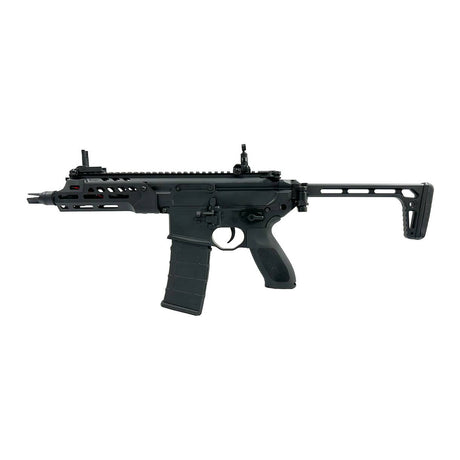
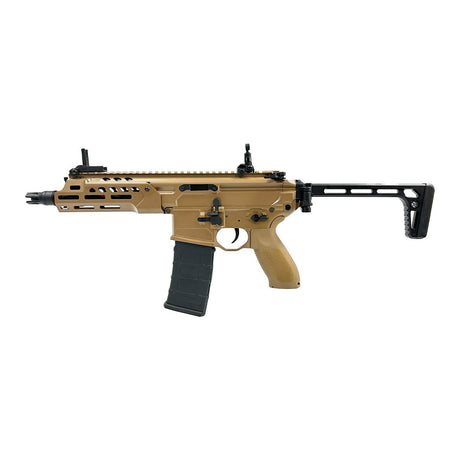
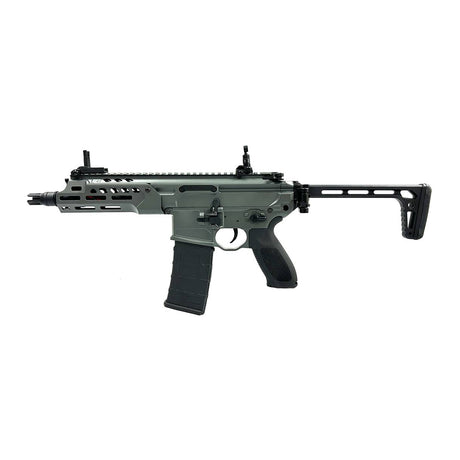
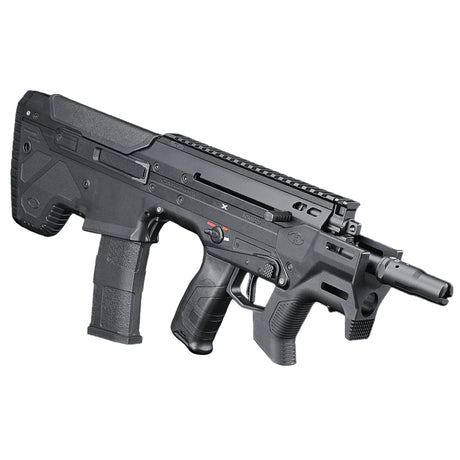
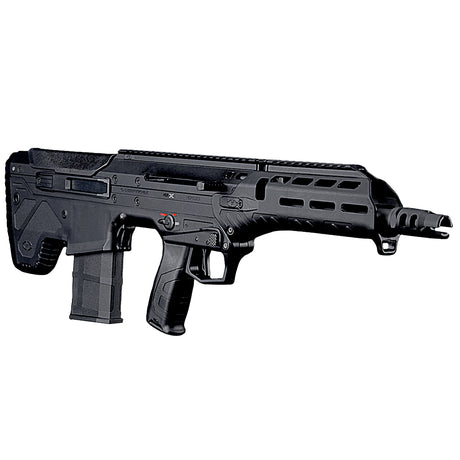
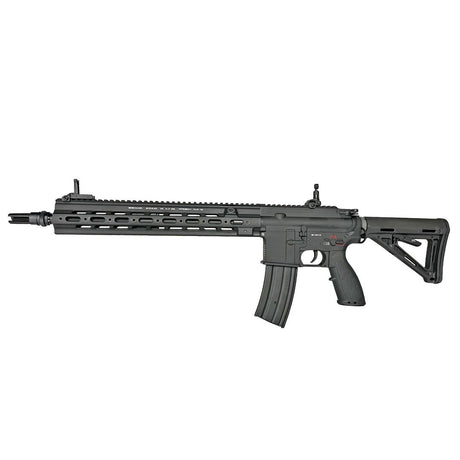
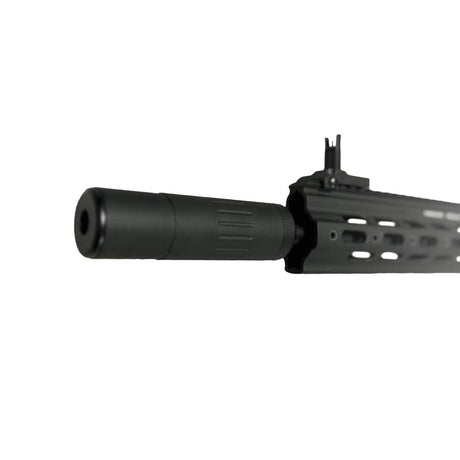
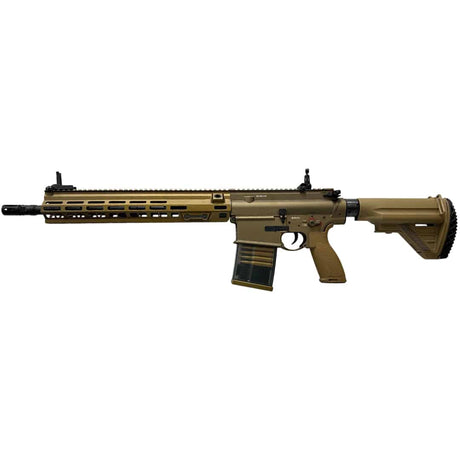
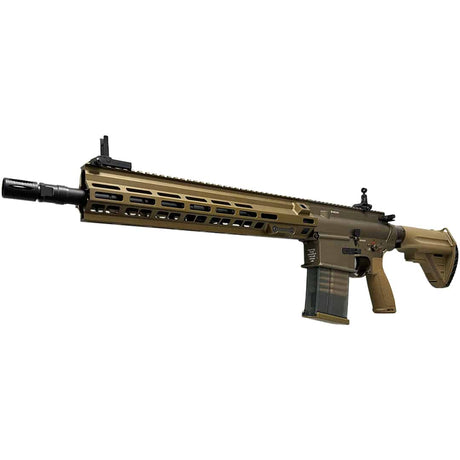
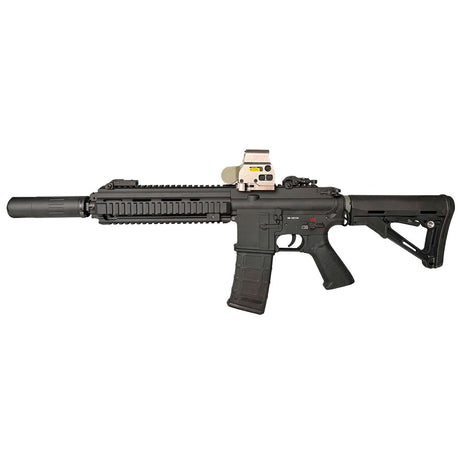
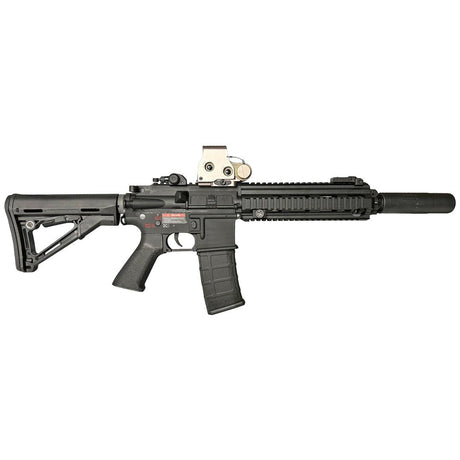
That crisp, metallic 'clack-clack' of a gas blowback bolt is the closest you'll get to real steel on the skirmish field, but it won't mean much if your magazine freezes solid in a frosty November woodland. Choosing between an aeg vs gbb is the oldest debate in the safe zone, often pitting the raw immersion of recoil against the relentless, all-weather reliability of a battery-powered workhorse. You want the realism, but you're likely fed up with that high-pitched motor whine or the persistent worry that a leaking O-ring will sideline you before the first objective is even taken.
We've repaired and upgraded thousands of platforms in our specialist tech department, so we know exactly what it takes to keep these systems running through heavy engagements. This guide provides a deep dive into the technical trade-offs, maintenance requirements, and actual running costs of both platforms to help you choose your next primary with confidence. You'll discover which system dominates in the British winter, how to manage your tactical loadout for maximum efficiency, and which rifle ultimately fits your specific role on the front line.
Key Takeaways
- Master the fundamental mechanical differences between battery-powered gearboxes and gas-cycling bolts to ensure your equipment matches your operational needs.
- Evaluate the tactical trade-offs of aeg vs gbb systems, balancing the high-capacity reliability of electric motors against the immersive recoil of gas platforms.
- Discover how to mitigate the 'cool-down' effect in the unpredictable British weather by choosing the correct gas type or battery setup for year-round performance.
- Learn the essential maintenance habits required for each platform, from greasing internal gears to protecting delicate gas O-rings against leaks.
- Gain the confidence to select a platform that fits your specific tactical role, whether you are providing suppressive fire or seeking maximum mechanical realism.
Understanding the Mechanics: What is an AEG vs a GBB?
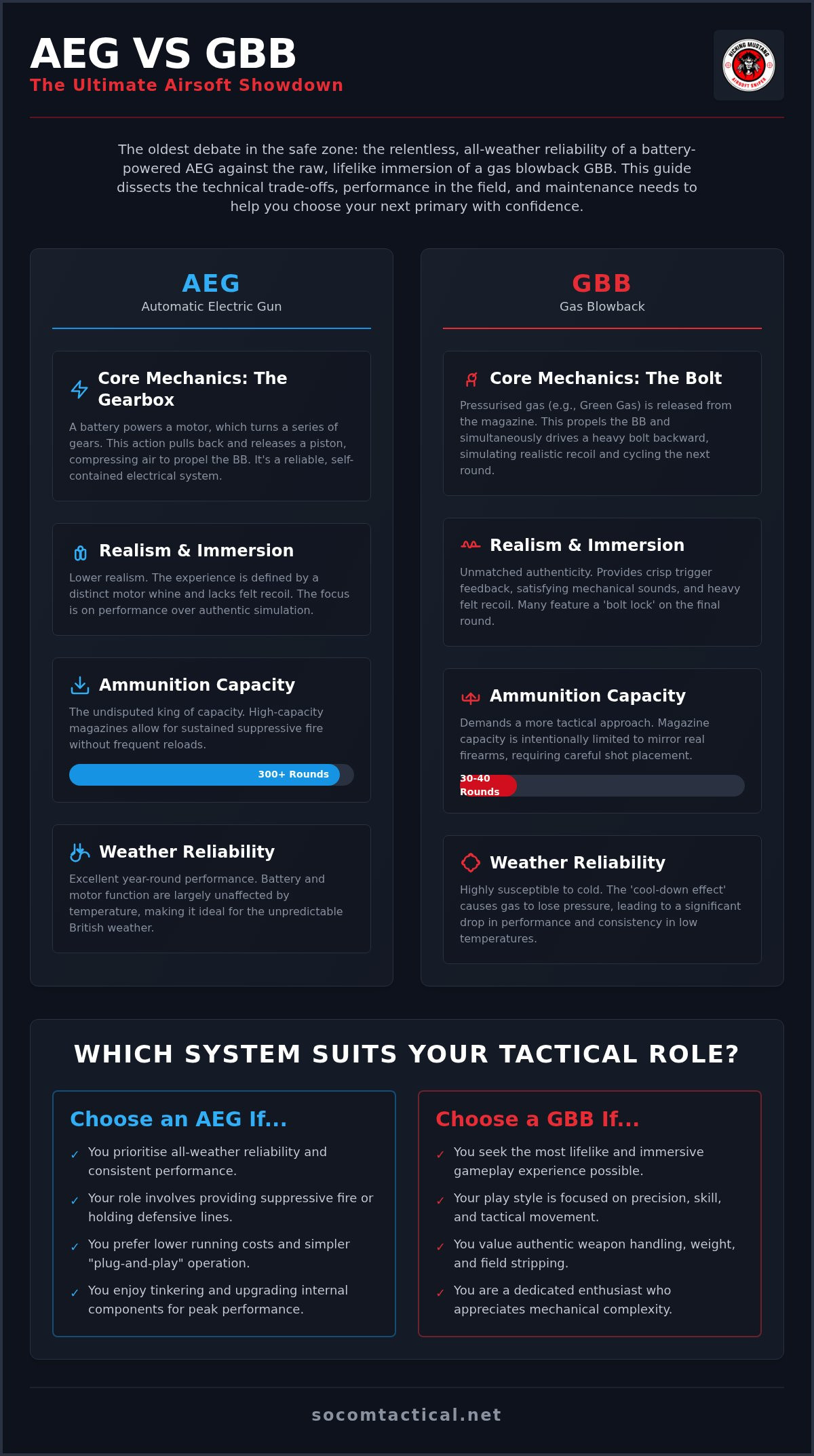
Every airsoft rifle falls into one of two mechanical camps. Automatic Electric Guns (AEGs) are the electrical workhorses of the community, using a battery-powered motor to cycle a piston within a gearbox. This compresses a spring which, when released, pushes air through a nozzle to launch the BB. On the other side, Gas Blowback (GBB) rifles rely on the rapid expansion of pressurised gas, such as Green Gas or CO2, to both propel the BB and cycle a heavy bolt or slide. This fundamental split defines the aeg vs gbb experience. One offers clinical, repeatable precision; the other provides a violent, mechanical feedback that mirrors a real firearm.
Legally, both systems are classified as Realistic Imitation Firearms (RIFs) under UK law. You'll need a valid defence, such as a UKARA registration, to purchase them from our retail shop or online. Whilst they look identical from the outside, the internal engineering dictates everything from how you pull the trigger to how you maintain your kit after a muddy Sunday skirmish.
The Anatomy of an AEG
The gearbox is the heart of any AEG. It houses a complex sequence of gears that translate the motor's high-speed rotation into the linear motion of the piston. Modern setups have been revolutionised by LiPo batteries. These high-discharge cells provide the instant current needed for snappy trigger response and high rates of fire, moving away from the sluggish performance of older NiMH packs. For players who enjoy technical tinkering, AEGs are incredibly versatile. By visiting our parts and upgrades department, you can easily swap a spring or adjust the motor height to 'tune' your rifle to sit perfectly within site FPS limits.
The Mechanics of Gas Blowback
GBBs operate on a level of immersion that AEGs simply cannot touch. When you pull the trigger, a hammer strikes a valve on the magazine, releasing a burst of gas. This gas expands rapidly, pushing the BB down the barrel whilst simultaneously driving the bolt carrier group backwards to simulate recoil. The hop-up unit in a GBB is usually adjusted directly on the barrel assembly, often requiring the bolt to be locked back or the rifle to be partially stripped. Understanding Airsoft Gun Mechanics reveals that this system is inherently more realistic. Because they lack a bulky gearbox, GBBs often feature 1:1 scale dimensions and authentic field stripping procedures, offering a weight and balance that feels 'right' in the hand.
Performance on the Field: Consistency vs Realism
When you are pinned down in a trench, the choice between aeg vs gbb becomes a question of tactical philosophy. AEGs are built for volume. With a high-capacity magazine, you can dump 300 rounds without a second thought, keeping the enemy's head down whilst your team moves up. GBBs, however, demand a surgical approach. You don't just spray; you aim, squeeze, and manage the mechanical feedback of every cycle. It is a shift from being a 'human turret' to acting as a precision operator.
Suppressive Power and Skirmish Utility
The sheer ammunition capacity of an AEG makes it the undisputed king of the long gameday. A single mid-cap often holds 150 rounds, and most players carry six to eight of them. Compare that to a GBB user who might carry five magazines with only 30 to 40 rounds each. In a high-stakes skirmish, the AEG user has a massive psychological advantage. The constant, rhythmic 'sewing machine' sound of a tuned gearbox might lack soul, but it provides a wall of plastic that GBB users simply cannot match without frequent, high-risk reloads. If your role involves holding a defensive line or providing heavy cover, checking our range of airsoft gun magazines will show you just how much more lead an AEG can put in the air.
Immersive Gameplay and Recoil
Where the GBB shines is in the mechanical soul of the platform. Unlike the electronic micro-switches found in modern AEGs, a GBB uses a traditional mechanical sear. This provides a crisp, predictable trigger break that feels significantly more authentic. The complex Gas Blowback (GBB) Firing Mechanism allows for a heavy bolt to fly back with every shot, creating felt recoil that can actually throw off your follow-up shots if you aren't gripping the RIF correctly. This adds a layer of skill that battery-powered systems often lack.
There is also the undeniable satisfaction of the 'bolt lock'. When you fire your last round, the bolt locks to the rear, requiring a fresh magazine and a hit on the bolt release to get back into the fight. This forces a more deliberate, tactical style of play. Veterans often transition to gas systems because they want to move away from 'spray and pray' tactics. They want the challenge of ammunition management and the grit of a platform that fights back. If you are looking to elevate your immersion, exploring our latest gas blowback rifles is the natural next step for any seasoned player.
Maintenance and Longevity: Keeping Your RIF Skirmish-Ready
Maintenance is the invisible divider that separates a reliable skirmish companion from a frustrated day in the safe zone. When debating aeg vs gbb, you must consider how much time you're willing to spend at the workbench. AEGs are generally more forgiving, requiring deep internal attention only every few months. GBBs, by contrast, demand a strict routine of cleaning and lubrication after every single outing to prevent the seals from drying out or the bolt from cycling sluggishly.
The technical complexity of AEG and GBB Operating Systems means that wear and tear occurs in very different places. In an electric system, the stress is concentrated on the gears and the piston teeth. In a gas system, the violent recoil and metal-on-metal contact of the bolt carrier mean that components like nozzles and hammer sets will eventually require replacement. This is why GBB users often become more technically proficient; they have to understand the guts of their rifle just to keep it functioning.
Electric Gun Care and Battery Safety
Battery management is the most critical part of AEG ownership. Modern LiPo batteries are powerful but volatile. You must use a smart charger and always prioritise storage charging your packs to approximately 3.8V per cell if you aren't playing for more than a few days. Neglecting this leads to cell puffing and permanent capacity loss. Beyond the battery, keep an ear out for the sound of your gearbox. If it starts to sound screechy or strained, it's often a sign that your motor height needs adjustment or your gears require professional technical labour for a full shim and regrease to prevent a total mechanical failure.
Gas System Lubrication and Magazine Health
Gas blowback rifles are susceptible to the dreaded 'leaky mag' syndrome. This usually happens when the O-rings dry out, causing pressurised gas to hiss out of the fill or discharge valves. You can prevent this by using high-quality silicone oil on all rubber seals and always leaving a small amount of 'maintenance gas' in the magazine during storage. This keeps the seals under slight pressure and prevents them from shrinking or cracking whilst sitting in your kit bag.
Accuracy in a GBB is also heavily tied to cleanliness. Because gas systems often vent a tiny amount of lubricant into the barrel with every shot, the inner bore can become fouled with a sticky residue that attracts dust and debris. Scrubbing your barrel with a cleaning rod and a lint-free patch after every game isn't just good practice; it's essential for maintaining consistent groupings. If you're struggling with persistent leaks or mechanical failures, our veteran techs can diagnose and fix both systems to ensure you're field-ready for the next engagement.
The Impact of British Weather on Performance
The British climate is the ultimate equaliser in the aeg vs gbb debate. Whilst a gas rifle might feel like the superior choice during a sweltering July skirmish, the reality of a damp, 5°C November morning in the UK can quickly change that perspective. Understanding how temperature shifts affect your internal pressures and battery chemistry is essential for anyone who plans to play year-round. You don't want to be the player whose primary fails during the first push of the day because the mercury dropped faster than expected.
Gas Efficiency in the UK Climate
Gas blowback systems rely on the transition of liquid gas into a vapour. This process requires heat. When you pull the trigger in rapid succession, the magazine temperature plummets, a phenomenon known as the 'cool-down' effect. In the typical UK winter, which lasts from October through to March, standard Green Gas often lacks the vapour pressure to cycle a heavy metal bolt reliably. This leads to sluggish fire rates, venting gas, and a significant drop in FPS.
To combat this, many UK players switch to high-pressure 'Red' or 'Black' gases, which maintain higher pressures in lower temperatures. Others opt for CO2 bulbs, which are far less sensitive to the cold than propane-based mixtures. Interestingly, Tokyo Marui GBB systems often maintain better efficiency in these conditions. Their legendary internal tolerances and lighter components allow them to cycle even when other systems have frozen solid. However, even the best gas system has its limits, which is why many seasoned veterans keep an AEG in their boot as a dependable winter backup.
Battery Performance in Variable Conditions
AEGs are the undisputed kings of all-weather reliability. Electric motors and gearboxes don't care about the ambient temperature in the same way gas seals do. Whether it's a humid summer afternoon or a freezing morning, your AEG will deliver consistent muzzle energy and rate of fire. This makes them the primary choice for large-scale milsims where you might be out in the elements for 24 hours straight without a chance to warm up your kit.
That said, extreme cold can still impact your LiPo batteries by slowing down the chemical reactions that provide current. This slightly reduces the total capacity and 'punch' of the battery. To ensure your cells remain healthy through the winter, it is vital to use smart chargers to monitor cell voltage and internal resistance. Keeping your spare batteries in an internal pocket close to your body heat can also help maintain their performance during a long gameday. If you want to ensure your kit survives the frost, stock up on winter-grade green gas and CO2 bulbs to keep your GBB cycling when the temperature drops.
Making the Choice: Which System Suits Your Tactical Role?
Deciding on an aeg vs gbb platform is more than a technical choice; it's a commitment to a specific style of engagement. Your role on the team dictates the tools you need. If you're the point man in a fast-paced CQB environment, the snappy, realistic manipulation of a gas rifle gives you the edge in tight corners. Conversely, if you're the squad support gunner tasked with holding a treeline for three hours, the relentless battery life and high-capacity magazines of an AEG are non-negotiable for maintaining suppressive fire.
Budgeting for the long term is also a vital factor. Whilst an AEG requires an initial investment in LiPo batteries and a charger, its running costs are remarkably low. A gas system demands a constant supply of Green Gas or CO2 bulbs, and the magazines themselves are significantly more expensive due to their complex internal valves. For those who want the best of both worlds, hybrid systems like the Tokyo Marui Next Generation Recoil Shock (NGRS) offer a middle ground, providing felt recoil and a bolt-stop function whilst retaining the all-weather reliability of an electric gearbox.
Choosing Your First Airsoft Gun
For those just starting their journey, we almost always recommend an AEG. The 'plug and play' nature of modern electric rifles allows you to focus on learning field craft and tactical movement without worrying about gas pressures or O-ring maintenance. It's the most forgiving way to enter the hobby and ensures you won't be sidelined by a technical glitch during your first few skirmishes. The internal electronics are robust, and the ability to carry hundreds of rounds in a single magazine provides a safety net whilst you find your feet.
Before you buy, you must ensure you're informed about UKARA and VCRA compliance to stay on the right side of the law. If you're still undecided, the best approach is to get hands-on with both systems. You can visit our physical retail outlet to feel the weight, test the trigger response, and see which platform naturally fits your frame and shooting style. Our staff can help you compare different models side-by-side to ensure your first RIF is one that will serve you for years.
The Veteran's Path to Realism
As players gain experience, many find themselves drawn to the mechanical challenge of gas blowback. Transitioning to a GBB forces you to move away from high-cap spraying and towards tactical marksmanship. You start to count your shots, time your reloads, and use cover more effectively. This shift in behaviour often leads to a more rewarding and immersive experience, especially in Milsim environments where realism is the primary goal. You aren't just playing a game; you're managing a complex mechanical system.
When you make the jump to gas, your choice of ammunition becomes even more critical. Because you're firing fewer rounds, every shot must count. Using high-quality BLS BBs is non-negotiable for GBB users; inferior rounds can shatter inside the complex hop-up or cause feeding issues that are far harder to clear in the heat of battle. Ultimately, the choice between electric and gas comes down to what you value more: the clinical efficiency of the AEG or the raw, unrefined thrill of the GBB kick. Both have earned their place in the armoury; the right choice is simply the one that gets you excited to get back on the field.
Gear Up for Your Next Operation
The choice between an aeg vs gbb ultimately defines your tactical identity on the field. You've seen how AEGs offer the relentless volume and battery-powered consistency needed for heavy suppression, whilst GBBs provide the mechanical soul and recoil that creates a truly immersive experience. Whether you're navigating the 'cool-down' effect of a British winter or tuning a gearbox for peak efficiency, the right platform is the one that matches your specific mission profile and playstyle.
Socom Tactical Airsoft has been a cornerstone of the UK community since 2009, providing authoritative advice and expert support to players at every level. Our in-house technical department is always on hand for expert repairs and performance upgrades, ensuring your equipment remains field-ready regardless of the system you choose. We also maintain a vast inventory of essential consumables, including high-discharge LiPo batteries and winter-grade Green Gas, to keep you in the fight from the first objective to the final whistle.
Explore our full range of skirmish-ready AEGs and GBBs today and step onto the field with confidence. Whatever your tactical role, we have the tools and the expertise to help you dominate the engagement.
Frequently Asked Questions
Is an AEG better than a GBB for a beginner airsofter?
AEGs are the superior choice for newcomers due to their sheer simplicity and reliability. Unlike gas systems, they aren't affected by temperature shifts and require minimal on-field maintenance. This allows a beginner to focus on game rules and tactical movement rather than troubleshooting mechanical failures. With a simple LiPo battery and a high-capacity magazine, you can participate in a full day of skirmishing without the steep learning curve associated with gas management.
Do GBB airsoft guns work in the cold UK winter?
Standard Green Gas performance drops significantly in the UK winter, often leading to sluggish cycling or venting. However, you can mitigate this by using high-pressure 'Black' gas or CO2 bulbs. Whilst gas guns can function in the cold, their efficiency is much lower than in the summer months. For consistent performance during a frosty December morning, most veteran players rely on an AEG whilst keeping their gas platforms for warmer weather.
Which is cheaper to run, an AEG or a GBB rifle?
Running an AEG is considerably more cost-effective over the long term. Charging a LiPo battery costs pennies compared to the recurring expense of Green Gas canisters or CO2 bulbs. Additionally, AEG magazines are significantly cheaper to purchase, often allowing you to carry a larger combat load for a fraction of the price of a gas setup. When comparing aeg vs gbb running costs, the electric platform wins on almost every financial metric.
Can I upgrade an AEG to have recoil like a GBB?
You cannot easily add true mechanical recoil to a standard AEG, but you can choose a hybrid system. Tokyo Marui's Next Generation Recoil Shock (NGRS) series is specifically designed to provide felt recoil and a bolt-stop function whilst using a battery-powered gearbox. This offers a middle ground for players who want the immersion of a gas rifle without sacrificing the year-round reliability and high magazine capacity of an electric motor system.
How often do I need to service a gas blowback rifle?
You should ideally clean and lubricate your gas blowback rifle after every single skirmish. Because GBBs rely on metal-on-metal sliding surfaces and delicate rubber O-rings, they are highly susceptible to wear and leaks if left dry. Regular maintenance involves scrubbing the inner barrel, greasing the bolt carrier, and applying silicone oil to the magazine seals. Our technical department often sees GBBs fail prematurely simply because the owner neglected this post-game routine.
Are gas blowback magazines more expensive than electric ones?
Gas blowback magazines are substantially more expensive than electric versions. This is because a GBB magazine is a complex pressure vessel containing fill valves, discharge valves, and a gas reservoir. In contrast, an AEG magazine is a relatively simple plastic or metal shell with a spring-fed internal track. When planning your loadout, remember that buying five GBB magazines can often cost as much as a mid-range AEG rifle itself.
Why do some players call AEGs 'sewing machines'?
The 'sewing machine' label refers to the specific high-pitched whine produced by the motor and spinning gears inside an AEG gearbox. To some players, this sounds clinical and artificial compared to the aggressive, metallic 'crack' of a gas blowback bolt cycling. Whilst modern high-torque motors and shimmed gears have made AEGs much quieter, they still lack the visceral, mechanical sound signature that makes GBB platforms so popular with realism enthusiasts.
What is the best battery type for a modern AEG rifle?
LiPo (Lithium Polymer) batteries are the gold standard for modern AEGs. They provide a much higher discharge rate than old-fashioned NiMH packs, resulting in snappier trigger response and a faster rate of fire. Most modern rifles are designed to handle 7.4V or 11.1V LiPos, though you should always use a smart charger to monitor cell health. Proper battery maintenance is essential to prevent cell degradation and ensure your rifle remains field-ready for every engagement.