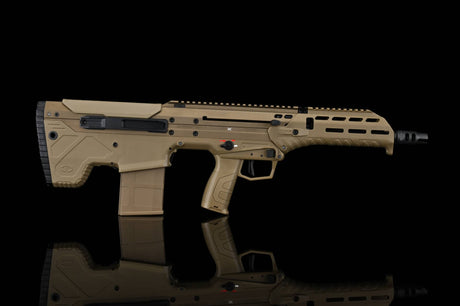
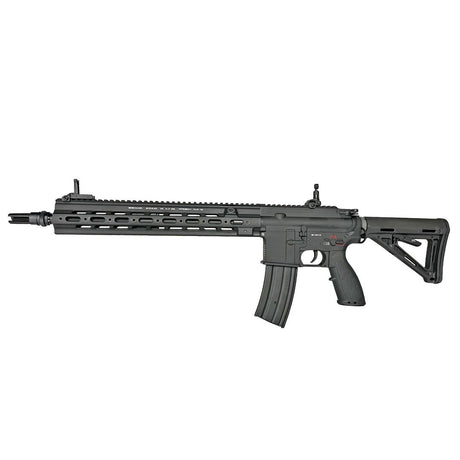
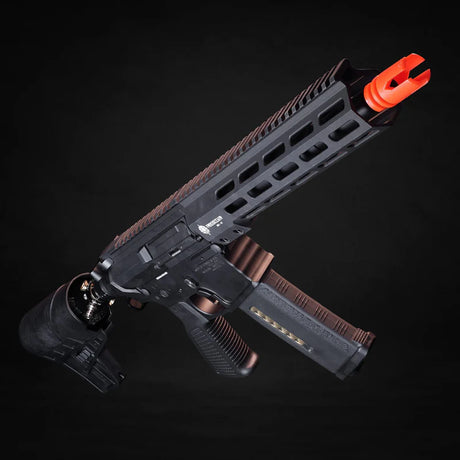
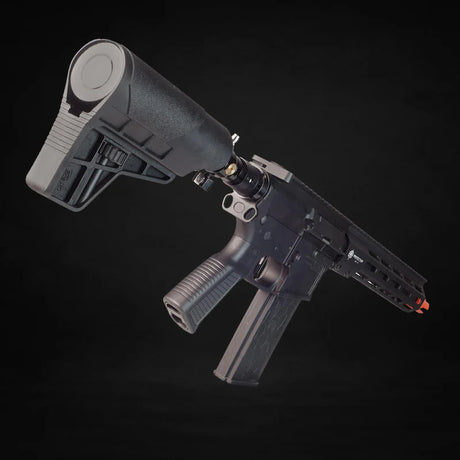
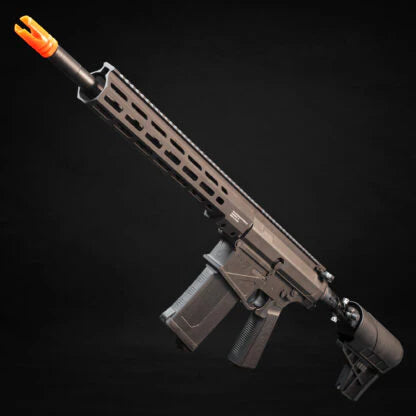
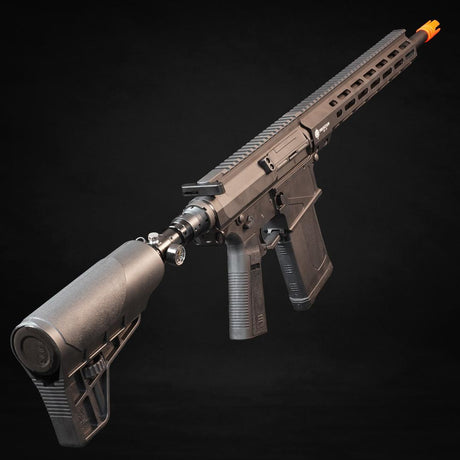
What makes an HPA upgrade a good fit for your build? The polarstar f2 HPA engine offers electronic control and configuration options, but gearbox fit, nozzle length and trigger-board compatibility can determine whether a conversion works as intended. Start by checking those details against your exact platform, then consider the performance and setup you want.
Plan for the complete system, not just the engine. You’ll need to account for an HPA tank, regulator, air line and battery for the Fire Control Unit (FCU), as well as the checks and maintenance required for an upgraded platform. This guide explains how the F2 works, what to compare before choosing a configuration, and how its electronic control differs from other HPA approaches. It also covers practical setup considerations, including chronograph checks and your site’s power limits, so you can make a considered choice and prepare your rifle for the field.
Key Takeaways
- Understand how the polarstar f2 HPA engine uses electronic control and an external air supply to power an airsoft platform.
- Check your platform, gearbox, nozzle and trigger-board requirements before choosing an F2 configuration.
- Plan for the complete setup, including the tank, regulator, air line, battery, FCU and wiring.
- Compare the F2’s electronic HPA approach with your play style and the practical demands of carrying air-system equipment.
- Use a pre-purchase checklist to organise compatibility checks and plan a more dependable conversion.
What the PolarStar F2 HPA engine does in an airsoft platform
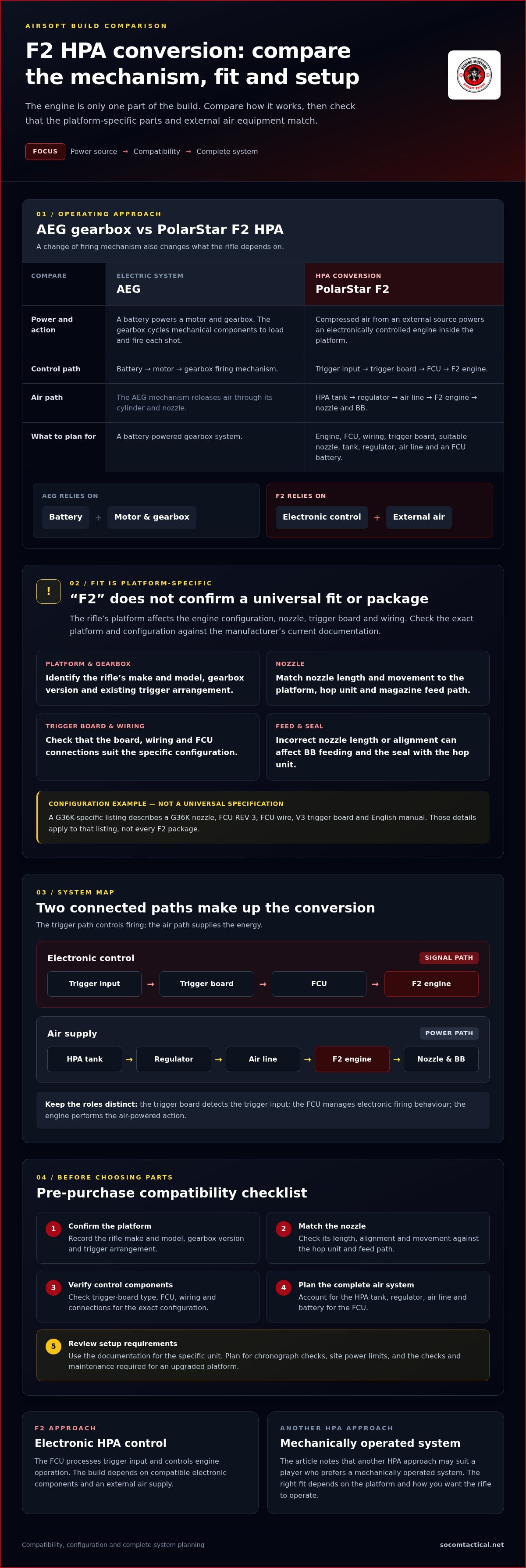
An HPA engine is a conversion system that uses compressed air from an external source to propel BBs. In an AEG, a battery powers a motor and gearbox, which cycle the piston and release air through the cylinder and nozzle. An HPA conversion replaces that firing mechanism with an electronically controlled engine inside the platform. The rifle still needs compatible components, and the external air supply becomes part of the working setup. For context on different airsoft gun powerplants, electric and gas systems are alternatives to spring-powered designs.
The polarstar f2 HPA engine is a particular engine family, not a complete rifle or a universal conversion package. The engine, FCU (Fire Control Unit), wiring, trigger board, nozzle and air-supply equipment are separate parts of the overall system. Their arrangement depends on the platform and configuration. Treat a parts list as specific to the item described, rather than as a specification for every F2 package.
How an HPA engine differs from an AEG gearbox
An AEG’s motor-driven gears cycle mechanical components to load and fire each shot. An HPA engine uses compressed air and electronic control to manage the firing cycle. In the F2 system, the FCU processes the trigger input and controls engine operation; the trigger board and wiring connect the platform’s trigger interface to the control system. The nozzle must also suit the platform so BBs feed correctly.
This change in mechanism does not guarantee a particular rate of fire, accuracy or consistency. Those outcomes depend on the configuration, tuning and wider build. An HPA conversion also brings external equipment and setup considerations that a battery-powered AEG gearbox does not.
What the F2 name does and does not tell you
“F2” identifies the PolarStar engine family, but it doesn’t confirm whether a particular unit fits your rifle or what comes in the box. Platform type affects the required engine configuration, nozzle, trigger board and wiring. Check these against the exact platform and the manufacturer’s current documentation before choosing components.
For example, a supplied G36K listing describes a configuration with a G36K nozzle, FCU REV 3, FCU wire, V3 trigger board and English manual. That describes the contents of that listing, not a universal specification for every F2 package. Keep the engine’s role separate from the parts bundled with a particular configuration. A fitment plan that accounts for the whole build, supported by airsoft parts and upgrades, helps you move from the product name to a suitable setup.
How the PolarStar F2 system and its HPA setup work together
A conversion has two connected paths: electronic control, which responds to the trigger, and air supply, which provides the energy for firing. The polarstar f2 HPA engine sits inside the platform, but it relies on compatible control components, air equipment and nozzle fit to work as an integrated system.
Electronic control: Trigger input → trigger board → FCU → F2 engine
Air supply: HPA tank → regulator → air line → F2 engine → nozzle and BB
The F2 engine, FCU and trigger board
The trigger board detects the trigger input, while the FCU (Fire Control Unit) manages electronic firing behaviour and signals the engine. The engine uses that control to coordinate its air-powered firing cycle. These components work together but are not interchangeable: the FCU handles electronic control, while the engine performs the air-powered action. Board, wiring and FCU connections depend on the configuration, so use the current documentation for the specific unit rather than assuming every version has identical connectors or parts.
A G36K-specific listing, for example, names an FCU REV 3, FCU wire and V3 trigger board alongside a G36K nozzle. That describes the listed configuration, not a standard package for all platforms. The key is to match the components to the rifle and engine setup.
The tank, regulator, line and nozzle in the setup
The tank stores compressed air, the regulator controls the air supplied to the system, and the line carries it to the engine. Inside the platform, the nozzle’s position and movement must work with the hop unit and magazine feed path. If its length or alignment doesn’t suit the build, BB feeding and the seal between the nozzle and hop unit can be affected. Nozzle movement must also coordinate with feeding and the firing cycle.
Nozzle selection is therefore a platform-fit decision, not a universal F2 setting. Use a dedicated PolarStar HPA engine nozzle guide alongside the documentation for your exact configuration. A technical review of airsoft projectile behaviour and gas dynamics offers broader context on how expanding gas propels a BB, although it isn’t an F2 setup manual.
Map both paths before choosing parts. For help planning the wider platform build, explore airsoft parts and upgrades.
PolarStar F2 compatibility and trade-offs: what to compare before choosing
The right HPA engine depends on more than its name. Start with the rifle you want to convert, then weigh fitment, control style and the extra equipment you’ll carry. The polarstar f2 HPA engine uses electronic control, while another HPA approach may suit a player who prefers a mechanically operated system. Neither is right for every build: the best fit depends on your platform and how you want the rifle to operate.
Which platform and gearbox details need checking?
Identify the rifle’s make and model, gearbox version and existing trigger arrangement before selecting an F2 configuration. Nozzle length and trigger-board type can vary by platform, and a mismatch may affect fitment or feeding. Treat compatibility as a specific parts question, not an assumption based on a shared gearbox label. Check the engine configuration, nozzle and control components against current manufacturer information for your exact build.
Platform fit: The F2 configuration must suit the rifle and gearbox. The Kythera also needs a compatible platform-specific setup.
Electronic control: The F2 uses an FCU and associated electronics. The Kythera is mechanically operated, giving it a different control approach without the same electronic-control setup.
Setup demands: Both systems need an external HPA supply, such as a tank, regulator and line. The F2 also involves electronic components; the Kythera’s mechanical operation changes the control and tuning considerations.
Intended use: Consider whether you want electronic firing control and its configuration options, or prefer the feel and operation of a mechanical system. Check the documentation for the specific model before deciding.
F2 or another HPA engine: which trade-offs matter?
The F2’s electronic control may appeal if you want to adjust firing behaviour through an FCU. That flexibility means installing, powering and configuring electronics. The Kythera takes a different approach: its mechanical operation avoids an FCU-dependent control setup, but it does not offer the same electronic adjustment approach. Compare the control style you want with the installation and maintenance you’re comfortable managing, rather than relying on broad performance claims.
The main practical trade-off with HPA is the equipment: you’ll need to accommodate the air source and supporting gear as well as the converted rifle. That affects how you carry your kit and prepare between games. A platform upgrade plan should account for these requirements as well as gearbox and component fitment. For a closer look at mechanical operation, consult a dedicated PolarStar Kythera guide.
Planning a PolarStar F2 conversion: a practical pre-purchase checklist
A well-planned conversion starts with the rifle, not the parts list. Before choosing a polarstar f2 HPA engine configuration, work through the checks below and compare the complete setup with the manufacturer’s current instructions. This helps identify fitment gaps before assembly and lets you plan for the equipment needed to prepare the platform for the field.
The checks to complete before selecting an F2 configuration
- Identify the platform. Record the rifle’s make, model and gearbox version. If you’re unsure which gearbox it uses, don’t rely on appearance alone.
- Check the control interface. Establish which trigger-board arrangement the platform needs, and note any wiring or FCU requirements stated for the specific F2 configuration.
- Confirm nozzle fit. Check the nozzle specified for the platform and how it aligns with the hop unit and feed path. Nozzle choice is configuration-specific, not a universal setting.
- Read the exact package contents. Separate the engine from included components such as the FCU, trigger board, wiring and nozzle. A listing for one platform does not define the contents of another configuration.
- Plan the air supply. Account for a compatible HPA tank, regulator and line, as well as the battery needed for the FCU. Compare their requirements with the engine documentation rather than assuming components are included.
- Review the whole build. Check that the parts can be installed in the intended platform and that the air line and wiring can be routed without interfering with normal handling.
Write down any unresolved fitment or component questions before buying. A clear record of the platform, gearbox, nozzle and control parts makes it easier to compare package details with manufacturer guidance and plan the conversion as a complete system.
Safe set-up, testing and ongoing care
Follow the current manufacturer instructions for assembly, air supply, operation and testing. Use suitable eye protection, keep the muzzle pointed in a safe direction and carry out firing checks only in a controlled area, following the airsoft site’s rules. Before play, confirm the site’s limits and testing procedure for your build. Don’t assume a previous setting or another platform’s configuration applies.
Treat pressure settings and maintenance intervals as model-specific details. Follow the manufacturer’s guidance for the exact engine and supporting equipment, and inspect the setup as directed. For broader planning across the rifle and its internal components, explore airsoft parts and upgrades before finalising your build.
Is the PolarStar F2 HPA engine right for your build?
The polarstar f2 HPA engine may suit players who want an electronically controlled HPA conversion and are prepared to match the configuration to their platform. The decision involves more than the firing system: account for an external air supply, control components, fitment checks and setup time. The F2 does not guarantee better accuracy or reliability. It is a different way to power a platform, and the result depends on the complete build and its configuration.
Signs an F2 conversion may suit your play style
Start with what you want from your rifle and how much equipment you’re willing to manage. If electronic control and an HPA setup appeal to you, and your platform can take the correct configuration, the F2 is worth considering. If you’d rather avoid an external tank, regulator and line, an AEG may be a more practical fit. In either case, match your choice to site rules and the way you carry and use your kit.
- Already using HPA: You may already be familiar with carrying an air source, but don’t assume your existing equipment or settings automatically suit an F2. Check each component against the engine’s current guidance.
- Converting for the first time: Plan for the full system, platform fitment and electronic setup, not just the engine. If nozzle, trigger-board or wiring choices are unclear, technical support can help you avoid building around an unsuitable configuration.
- Keeping your AEG: Stick with the familiar battery-powered setup if you value its self-contained format or don’t want to take on HPA equipment and conversion work. An upgrade makes sense when it addresses a real need in your build.
When to compare alternatives or get technical support
Compare HPA approaches if you’re unsure about platform compatibility, preferred trigger behaviour or electronic control. A PolarStar Kythera uses a different operating approach from the F2, so review the current manufacturer information and a dedicated Kythera guide to understand the distinction. There’s no universal winner: the important question is whether the system’s operation and setup demands match your priorities.
For a final sense-check, bring together your platform details, required configuration and equipment plan. Then explore airsoft parts and upgrades to plan the wider build and see how Socom Tactical Airsoft’s technical maintenance, fault diagnosis and performance-upgrade services can support your setup. A considered parts choice leaves you better prepared to test the rifle within your site’s requirements.
Plan your next platform upgrade with confidence
The polarstar f2 HPA engine could suit a build if you want an electronically controlled HPA conversion and are ready to plan the complete setup. Match the engine configuration, nozzle and control components to your platform, then account for the tank, regulator, line and FCU battery. If you’re new to HPA or unsure about fitment, compare the setup demands with your preferred play style before committing.
Socom Tactical offers internal upgrades and technical performance-upgrade services to support your platform planning. Explore airsoft parts and upgrades as you map out the components for your build.
Choose the system that suits your rifle and the way you play. Explore Socom Tactical’s airsoft parts and upgrade services to plan your build, then test your platform within your site’s requirements.
Frequently Asked Questions
What is a PolarStar F2 HPA engine?
A PolarStar F2 HPA engine is a conversion engine that replaces an AEG’s firing mechanism with an electronically controlled compressed-air system. It sits inside a compatible airsoft platform and works with components that control firing and feed BBs. It isn’t the complete HPA setup: the tank, regulator and air line supply air, while the FCU handles electronic control. Nozzle, trigger-board and wiring choices depend on the configuration.
Is the PolarStar F2 compatible with every airsoft rifle?
No. Compatibility depends on the rifle platform and the specific F2 configuration. Check the gearbox version, nozzle requirement, trigger-board fit and wiring arrangement for your intended build. A package configured for one platform, such as a G36K, doesn’t establish compatibility with other rifles. Before selecting parts, compare your platform details with the current manufacturer documentation for the exact engine configuration and required components.
What comes with a PolarStar F2 HPA engine?
Package contents can vary by configuration and seller, so there isn’t one universal parts list. For example, a supplied G36K-specific listing names a G36K nozzle, FCU REV 3, FCU wire, V3 trigger board and English manual. Treat that as an example of that listing only. Check the product details for the exact configuration, and don’t assume an HPA tank, regulator or line is included.
Does the PolarStar F2 need a tank, regulator and line?
A typical HPA setup uses a tank to store compressed air, a regulator to control its supply and a line to carry it to the engine. These are supporting air-supply components, separate from the F2 itself. The exact equipment and connections depend on the build. Follow the engine manufacturer’s current instructions to select compatible equipment and set up and test the system safely. Don’t assume accessories are included.
Is the PolarStar F2 better than the Kythera?
Neither is a universal winner; the right option depends on your preferred control style and compatible platform. The F2 uses electronic control through an FCU, while the Kythera follows a mechanical operating approach. Compare how each system’s trigger behaviour, platform fit and setup requirements suit your build, using current manufacturer information for specific details. For a closer comparison, consult a dedicated PolarStar Kythera guide before deciding.
Can a beginner install a PolarStar F2?
A beginner may be able to undertake a conversion, but it involves platform fitment, electronic components and an external HPA air supply, so preparation is essential. Read the current manufacturer instructions and confirm the gearbox, nozzle, trigger-board and wiring requirements before starting. If the technical work feels unfamiliar, use appropriate technical support rather than guessing. Socom Tactical provides technical maintenance, fault diagnosis and performance-upgrade services. Explore airsoft parts and upgrades for wider build planning.
How do I choose the correct nozzle for a PolarStar F2?
Choose a nozzle to match the specific rifle platform and F2 configuration, not simply the engine family name. Length and alignment affect how the nozzle works with the hop unit and BB feed path, so don’t assume one nozzle suits every build. Check current manufacturer guidance for your exact platform and configuration. A dedicated PolarStar HPA engine nozzle guide can provide more focused selection advice; compare its recommendations with the latest documentation.