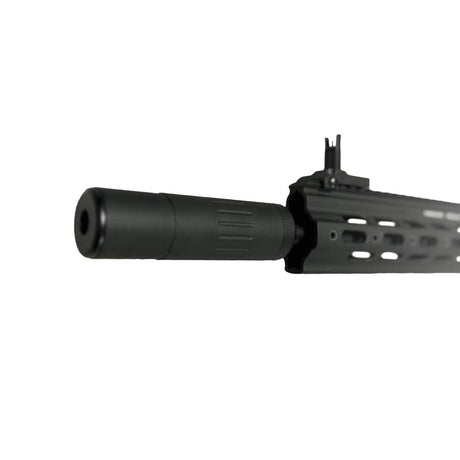
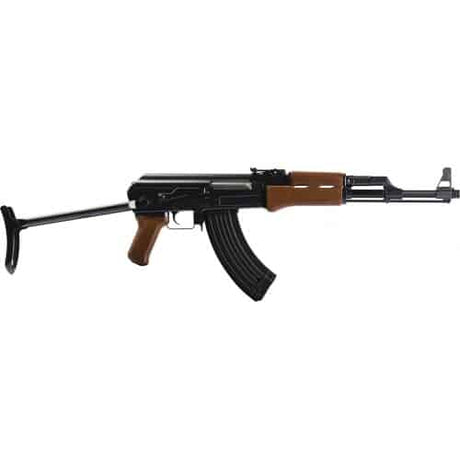
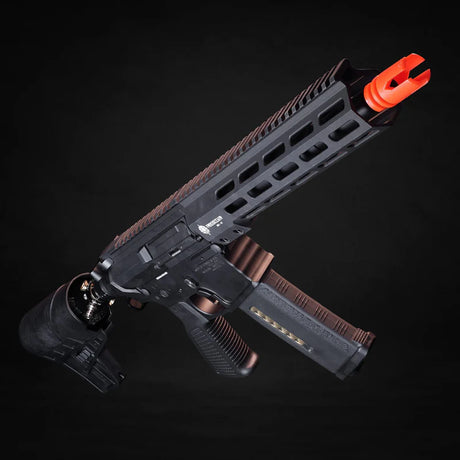
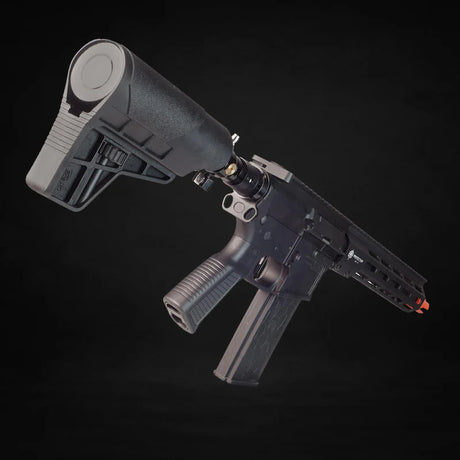
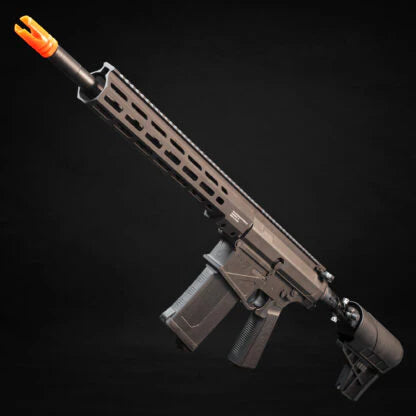
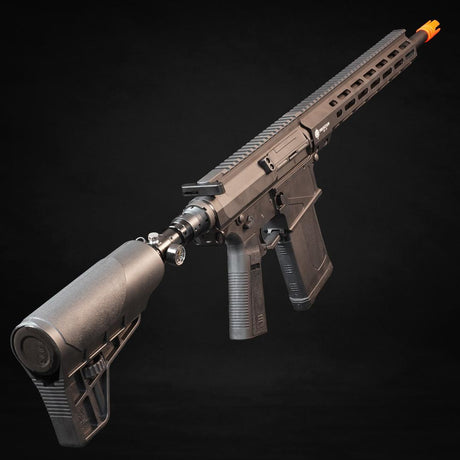
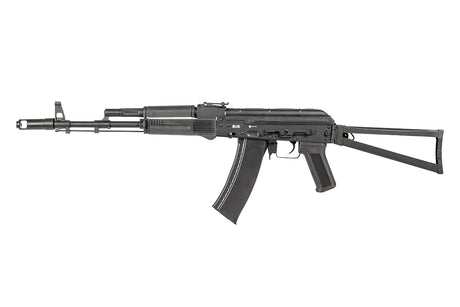
What if UKARA isn’t a licence to own an airsoft gun, but only one part of the story when buying a realistic imitation firearm? That distinction is central to Airsoft laws UK, and it’s easy to see why new players have questions about realistic and brightly coloured replicas, retailer checks and getting their kit to a game safely.
It’s sensible to understand the rules before you buy. Requirements depend on the item and what you’re doing with it, so a purchase defence shouldn’t be treated as blanket permission. This guide explains the key legal terms, the difference between realistic imitation firearms and two-tone imitations, and what a defence does and doesn’t cover.
We’ll also look at age-related purchase rules and responsible transport, while noting that legal details can differ across the UK. Founded in 2009, Socom Tactical Airsoft supports the airsoft community with equipment and practical beginner guidance to help you take your next steps with confidence.
Key Takeaways
- Airsoft laws UK depend on the item and circumstances, so consider more than appearance alone when working out which rules apply.
- Learn how realistic imitation firearms and brightly coloured imitations are described, and why a two-tone finish doesn’t make every other consideration irrelevant.
- UKARA is an industry scheme, not a universal statutory licence. Understand what a purchase defence means and why it isn’t the only possible route.
- Before buying or travelling to a game, think through your purchase route and plan to transport your airsoft gun discreetly and responsibly.
- Use a simple framework to identify the item, activity, relevant evidence and transport plan. Give current legislation and official guidance priority over forum shorthand.
Airsoft laws in the UK: what the rules cover and why context matters
In plain English, airsoft rules depend on what the item looks like, what you plan to do with it and where you are. A purchase, possession, use at a game and journey to a site can raise different questions. The key point about Airsoft laws UK is that colour or UKARA status alone doesn’t settle every legal issue.
An airsoft gun is a replica used in airsoft, a sport in which players fire plastic BBs in organised games. The Airsoft overview provides general background on the activity. Legal terms, however, come from legislation and need to be understood in that context.
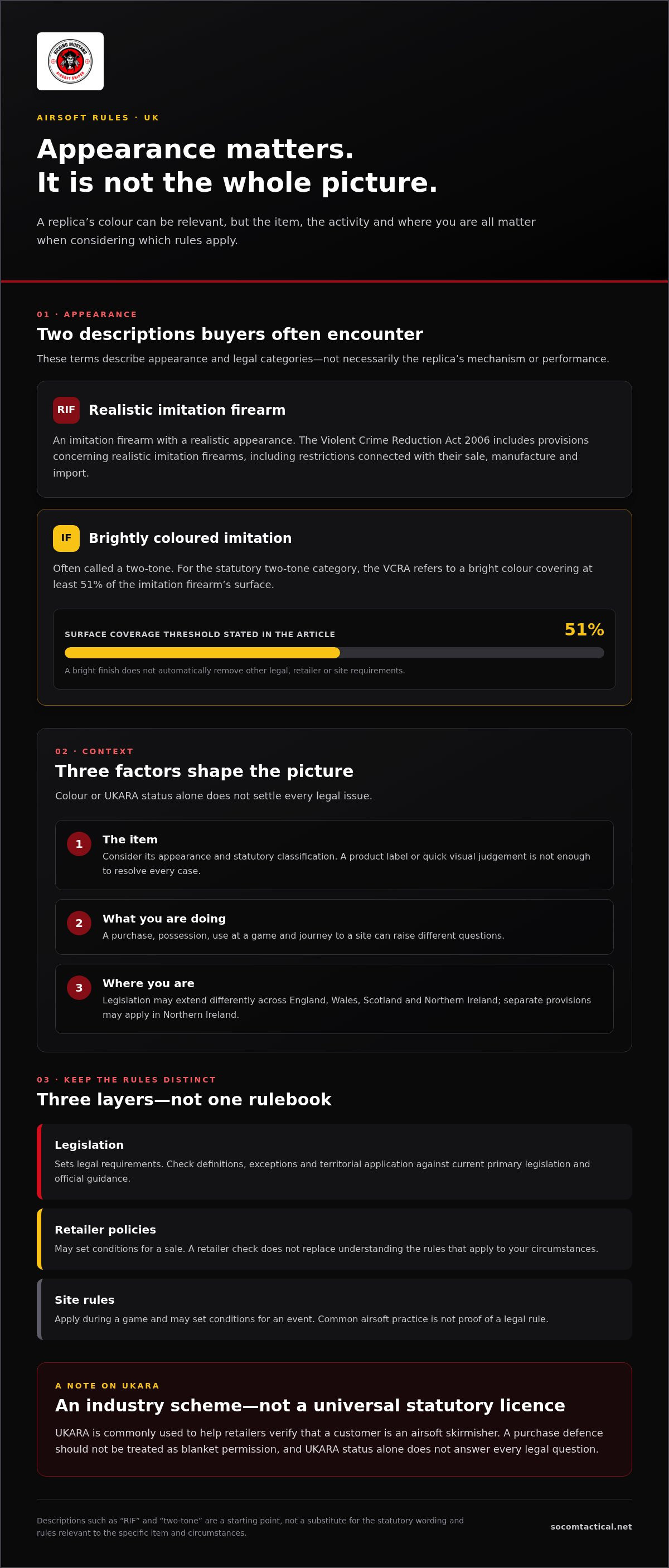
An imitation firearm is, in everyday language, an object made to look like a firearm. A realistic imitation firearm, or RIF, is an imitation with a realistic appearance. A brightly coloured imitation is often called a two-tone: the term describes its appearance, not a separate type of airsoft mechanism. These plain-English descriptions are a starting point, not a substitute for statutory definitions and applicable exceptions.
What is a realistic imitation firearm?
Realistic appearance matters, but it doesn’t answer every legal question. The Violent Crime Reduction Act 2006 (VCRA) includes provisions concerning realistic imitation firearms, including restrictions connected with their sale, manufacture and import. Read the statutory definition and exceptions as written. A product label or quick visual judgement isn’t enough to resolve every case.
For the statutory two-tone category, the VCRA refers to a bright colour covering at least 51% of the imitation firearm’s surface. That distinction can affect how an item is treated, but a bright finish doesn’t automatically remove other legal, retailer or site requirements. Don’t rely on colour alone when considering the rules that apply to your circumstances.
Which UK rules apply across the country?
“UK law” can sound like one uniform rulebook, but legislation may extend differently across England, Wales, Scotland and Northern Ireland, and separate provisions may apply in Northern Ireland. The VCRA is an important part of the framework, but check its territorial application and any relevant exceptions against current primary legislation and official guidance for the specific jurisdiction.
Keep three layers separate: legal requirements set by legislation, retailer policies that govern a sale, and site rules that apply during a game. A retailer or site may set conditions for its own transactions or events. Those conditions don’t replace the law, and common airsoft practice isn’t proof of a legal rule. For practical starting points on equipment and getting into the hobby, explore Socom Tactical’s beginner airsoft information.
Realistic and two-tone airsoft guns: understand the key distinction
From across a skirmish site, an airsoft replica may look close to a real firearm or stand out in a bright colour. That visible difference matters, but it isn’t a complete legal test. Under Airsoft laws UK, the item’s statutory classification and the circumstances of the transaction matter too. Treat labels such as “RIF” and “two-tone” as useful descriptions, not a final legal decision.
How do realistic imitation firearms differ from two-tone guns?
A realistic imitation firearm (RIF) is an imitation firearm with a realistic appearance. “Two-tone” commonly describes an imitation firearm with a conspicuous, unrealistic-coloured finish. The terms distinguish appearance and legal categories, not necessarily the internal mechanism or performance of the airsoft replica.
| Comparison | Realistic imitation firearm | Brightly coloured imitation |
|---|---|---|
| Appearance | Designed or finished to look realistic. | Has a prominent, unrealistic colour finish. |
| Common term | RIF. | Two-tone or imitation firearm (IF). |
| Buyer consideration | Check the applicable purchase requirements and any relevant defence. | Check the item’s classification and all other rules that may apply. |
The Violent Crime Reduction Act 2006 sets out relevant definitions and exceptions. Check its precise wording, territorial application and relevance to a particular item against current legislation and official guidance. The government’s Air weapons: a brief guide to safety provides broader information on air weapon safety and law. A product description or retailer check isn’t a replacement for understanding the rules that apply to your circumstances.
What should buyers know about two-tone options?
A bright finish can be a purchase route for some customers, but it doesn’t make every other rule irrelevant. The item, buyer, transaction and current requirements all matter. Retailer checks help assess a sale, while site rules may set separate conditions for play. Neither a label nor common community practice settles every legal question.
Socom Tactical offers a two-tone painting service for customers without a valid skirmisher defence. Treat this as one purchase option, not a blanket guarantee of legality: understand the current requirements that apply to your purchase and intended use. To compare replica types, browse the airsoft gun range and assess the specific item before deciding which route suits you.
UKARA and the airsoft purchase defence: what they mean
UKARA isn’t legislation, and it isn’t a universal statutory licence. It’s an industry registration scheme commonly used to help retailers verify that a customer is an airsoft skirmisher. The distinction matters: Airsoft laws UK set the legal rules, while UKARA is one practical way a retailer may assess evidence relevant to a sale.
Is UKARA a legal requirement to buy an airsoft gun?
No. The law doesn’t name UKARA as the only route. Under the Violent Crime Reduction Act 2006, the relevant statutory provisions concern activities such as selling, manufacturing and importing realistic imitation firearms. A defence may apply where the activity is for a purpose prescribed by law. UKARA registration can help a retailer assess whether a customer’s stated purpose is supported, but registration by itself doesn’t guarantee that a particular transaction is lawful.
UKARA’s scheme criteria are separate from statutory wording. Its commonly cited registration route involves being at least 18 and playing three games at the same registered site over a period of at least 56 days; registration is generally valid for 12 months. These are scheme details, not legal requirements that apply to every possible defence or purchase route. Check current UKARA rules as well as the law relevant to your location.
What is a defence for purchasing a realistic imitation firearm?
In plain terms, a statutory defence can provide a legal basis for an activity that would otherwise fall within an offence, if the relevant conditions are met. In the RIF context, legislation and regulations specify qualifying purposes. Airsoft skirmishing is a recognised purpose, but check the precise conditions and territorial application against current primary legislation. Don’t assume every airsoft-related activity qualifies, or that a database entry is the defence itself.
That’s why retailers may ask for evidence, such as scheme registration, before selling a RIF. These checks help assess the transaction; they don’t replace the statute, and a retailer’s process may be narrower than the full set of legal possibilities. If you’re considering a different route, identify the prescribed purpose and the evidence it requires rather than relying on forum summaries.
Keep the distinction clear: UKARA can support a retailer’s assessment, while the statutory defence comes from the law and depends on its conditions. Rules may also differ by jurisdiction, so use current official sources for the place where the transaction takes place. For further practical information about purchases and airsoft equipment, see Socom Tactical’s airsoft frequently asked questions.
Buying, possessing and transporting an airsoft gun responsibly
A sensible plan starts before checkout and finishes when your replica is safely stored after a game. Rules can depend on the item, your intended activity and where you are. Use this sequence as practical guidance, not a substitute for checking current law in your jurisdiction.
- Identify the item. Work out whether you’re considering a realistic imitation firearm or a brightly coloured imitation. A product description is useful, but it doesn’t settle the legal classification on its own.
- Consider the purchase route. If buying a RIF, identify the purpose and any statutory defence that may apply. Retailers may ask for evidence to assess the transaction; their checks are practical procedures, not the wording of the law.
- Plan where and how you’ll use it. Private-property use and carrying an imitation firearm in public raise different issues. Permission to use private land doesn’t mean you can take a replica into public without considering the applicable rules.
- Prepare for travel. Keep the airsoft gun secure and out of public view. Plan a direct journey to a legitimate activity, and avoid displaying or handling it in public.
- Check the destination’s rules. A game site may have separate requirements for arrival, equipment and safe handling. Read those instructions before travelling.
What should you check before buying an airsoft gun?
Start with the replica’s appearance and classification, then consider your intended activity and purchase route. For a realistic imitation firearm, a retailer may request evidence relevant to a purchase defence. That can help with its assessment, but it doesn’t turn retailer policy into legislation or guarantee that every legal condition has been met. Read current statutory requirements and official guidance for the transaction and location involved.
To compare replica types and purchase options, explore the airsoft gun information before choosing your equipment.
How should you transport an airsoft gun to a game?
As a cautious approach to travel, keep it unloaded, contained in a suitable bag or case, and concealed from public view. Secure concealment and a legitimate reason for transport, such as travelling to a skirmish, are important considerations. Rules on possession in public, reasonable excuse and imitation firearms have specific legal wording, so use current legislation and official guidance rather than relying on a general summary. Requirements may also vary by jurisdiction.
Private land isn’t a free-for-all: get the owner’s permission, and be aware that applicable law can prohibit a projectile travelling beyond the land’s boundary. Public travel is a separate matter. Keep the replica stowed throughout the journey, then follow the site’s arrival and handling rules when you reach the game.
A practical route for new airsoft players: understand the rules before gearing up
Before choosing your first replica, get clear on the game you want to play and what the purchase involves. Airsoft laws UK can’t be reduced to one shortcut, such as a colour finish or a UKARA entry. Start with the item and activity, then check the current rules that apply where you live and play.
What is a sensible first step for a new player?
Start by learning how skirmishes work and what the site you plan to visit expects from players. Site participation requirements and purchase requirements are separate, so understand both before choosing equipment. Socom Tactical’s beginner airsoft guide explains more about getting started and the kit involved.
Use these points to organise your next steps:
- Identify the item: understand whether the replica is realistic-looking or has a brightly coloured finish. Don’t rely on a product label alone to settle its legal classification.
- Define the activity: be clear whether you’re buying for airsoft skirmishing or another purpose. Don’t assume every activity qualifies for the same purchase defence.
- Understand the evidence: a retailer may ask for information relevant to its assessment of a sale. Keep that process distinct from the law itself, and check the current statutory wording and conditions.
- Plan the journey: decide how you’ll keep the airsoft gun secure and out of public view, and consider the destination’s arrival and handling rules.
Forum posts and familiar shorthand can be useful starting points, but they aren’t a substitute for current legislation and official guidance. This matters especially if you’re relying on an exception or defence, or if your circumstances cross jurisdictional boundaries. Understand the rules for your situation before buying or travelling.
Where can readers find airsoft equipment and further guidance?
Socom Tactical provides airsoft equipment information and beginner resources, but this guide isn’t legal advice. The retailer’s FAQ is also useful for general retailer information; use current official sources for legal questions. Once you’ve worked through the purchase route and relevant requirements, browse the airsoft gun range to compare options. A product listing can help you choose equipment, but it doesn’t establish legal approval for your purchase or intended use.
Get ready for your next step in airsoft
The key to understanding Airsoft laws UK is to look beyond a replica’s colour or a UKARA record. Consider the item, the purpose of the purchase and the rules that apply where you are. A purchase defence has specific conditions, while retailer checks and site rules serve different purposes. For travel, plan to keep your airsoft gun secure and out of public view, and use current legislation and official guidance rather than forum shorthand.
With the legal groundwork in place, you can make more informed choices about your first replica and game-day kit. Founded in 2009, Socom Tactical offers airsoft guns, a two-tone painting service and beginner guidance. The retailer’s FAQs provide another useful next step for general information.
Explore airsoft guns and beginner information, then take your time choosing equipment that fits your plans. Start informed, travel responsibly and enjoy finding your place in the airsoft community.
Frequently Asked Questions
Do you need UKARA to buy an airsoft gun in the UK?
No. UKARA is an industry registration scheme, not a legal licence or the only possible purchase route. For a realistic imitation firearm, the law provides for a defence connected to certain qualifying purposes, and a retailer may request evidence to assess a sale. UKARA registration can be one way to demonstrate airsoft skirmishing activity, but it doesn’t automatically guarantee that a particular transaction meets every legal requirement.
Is a two-tone airsoft gun legal in the UK?
A two-tone finish can affect how an imitation firearm is classified, but colour alone doesn’t settle every legal question. The statutory definition and any exceptions matter, as do the buyer, transaction and applicable rules. In general, buyers must be at least 18 to purchase an airsoft gun, including a brightly coloured one. Check current legislation and official guidance rather than assuming a two-tone finish makes every purchase or use lawful.
What is the difference between a realistic imitation firearm and an imitation firearm?
An imitation firearm is an object made or adapted to look like a firearm. A realistic imitation firearm is an imitation that meets the legal test for a realistic appearance. A brightly coloured replica may fall into a different statutory category if it meets the relevant requirements. These are legal terms, so appearance or a product description alone may not decide the classification. Check the current statutory definitions and exceptions for the specific item.
Can you buy a realistic imitation firearm without UKARA membership?
Potentially, yes. UKARA isn’t the only possible route, but a buyer needs a relevant legal defence for a RIF transaction where the law requires one. Airsoft skirmishing is a recognised purpose, and other prescribed purposes may also apply if their conditions are met. A retailer may ask for evidence to assess the purchase. Don’t assume that lacking UKARA automatically makes a purchase unlawful, or that another route applies without checking current law.
Can you carry an airsoft gun in public in the UK?
Don’t carry or display an airsoft gun openly in public. Replicas can be mistaken for real firearms, and public possession rules may depend on the circumstances and whether there is a lawful excuse. For travel to a game, keep the replica secure, unloaded and concealed from public view, and have a legitimate reason for the journey. Check current legislation and official guidance for your jurisdiction, as a general summary can’t cover every situation.
Can under-18s buy or own an airsoft gun in the UK?
Under-18s can’t buy an airsoft gun; the purchase age restriction applies to both realistic and two-tone guns. Possession is a separate question and shouldn’t be inferred from the purchase rule. Guidance on gifting and younger players can depend on age and circumstances, so don’t treat gifting as an automatic workaround. Before an adult considers a gift or supervised use, check the current rules that apply to the young person and the item.
Do airsoft laws differ between England, Wales, Scotland and Northern Ireland?
They can. Legislation may have different territorial application, and Northern Ireland has distinct provisions to consider. Don’t assume a rule or defence that applies in one part of the UK works identically elsewhere. Before buying, possessing or travelling with an airsoft gun, identify where the relevant activity will take place and consult current legislation and official guidance for that jurisdiction. Retailer procedures and site rules may also differ, but they don’t replace the law.