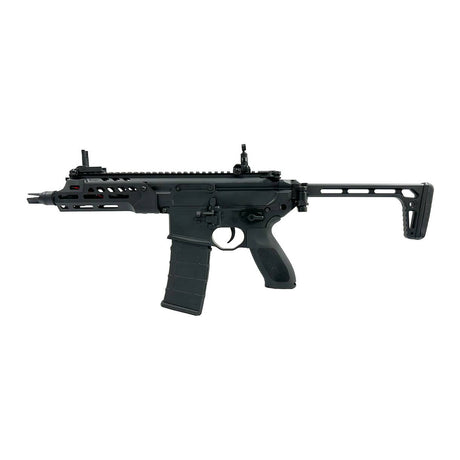
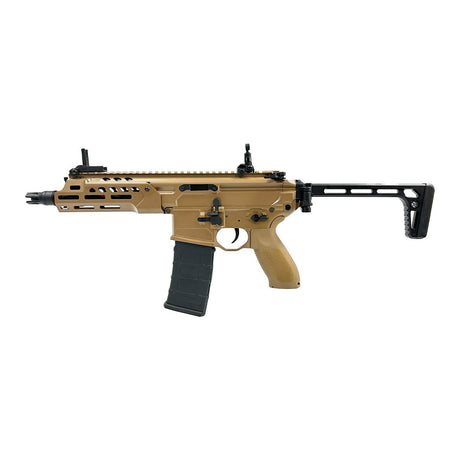
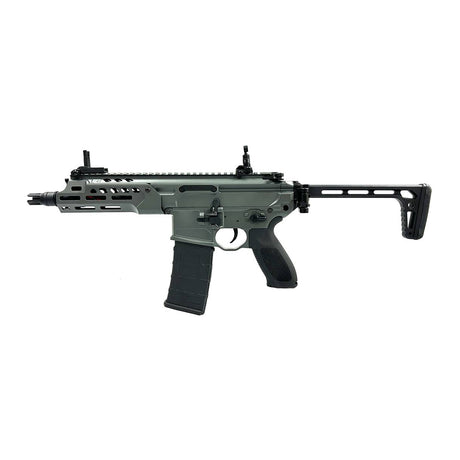
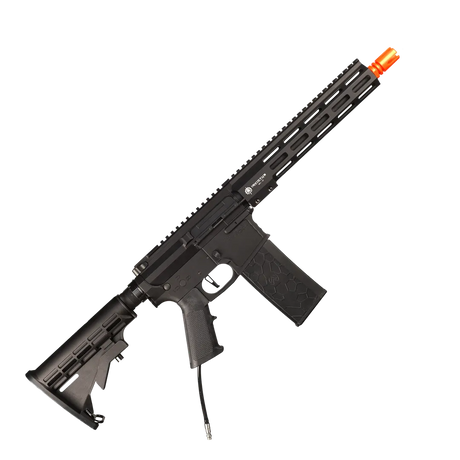
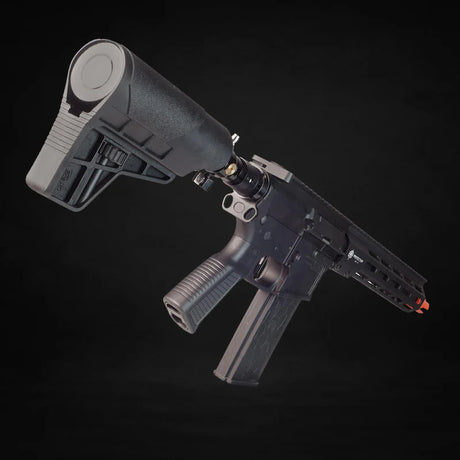
The simplest mechanism on the skirmish field is often the deadliest. While high-rate-of-fire AEGs dominate woodland games, pure mechanical simplicity offers thermal consistency and whisper-quiet stealth that complex electronics simply cannot match. Within our technical Gun Type Guides (Spring platforms taking centre stage here), we unpack why stripped-back manual power remains a formidable tactical choice rather than an outdated compromise.
We've all stood in the safe zone on a freezing morning, watching battery voltages collapse or gas magazines vent out in the cold. It's deeply frustrating when your primary fails before the whistle blows, and worrying about whether manual cocking can compete with rapid-fire electric rifles is entirely valid. In this guide, you'll discover how spring-powered airsoft guns operate, their true field advantages, and how to select the ideal mechanical platform for your playstyle. We'll examine the operational roles of spring sniper rifles, shotguns, and sidearms, alongside essential maintenance and workshop upgrade paths to achieve pinpoint shot-to-shot consistency.
Key Takeaways
- Consult our practical Gun Type Guides (Spring systems in particular) to understand how mechanical compression ensures total thermal consistency in harsh weather.
- Compare the primary tactical roles of bolt-action rifles, tri-shot shotguns, and manual sidearms to find the right platform for your playstyle.
- Discover why manual cocking eliminates common skirmish frustrations, giving you dead-silent operation without battery drain or gas cool-down.
- Learn essential tuning techniques and internal upgrade paths, from air seal optimisation to reinforced sears, for tighter downrange groupings.
- Understand UK field energy limits and compliance standards so you can select, transport, and deploy your mechanical loadout with complete confidence.
What Is a Spring Airsoft Gun and How Does It Function?
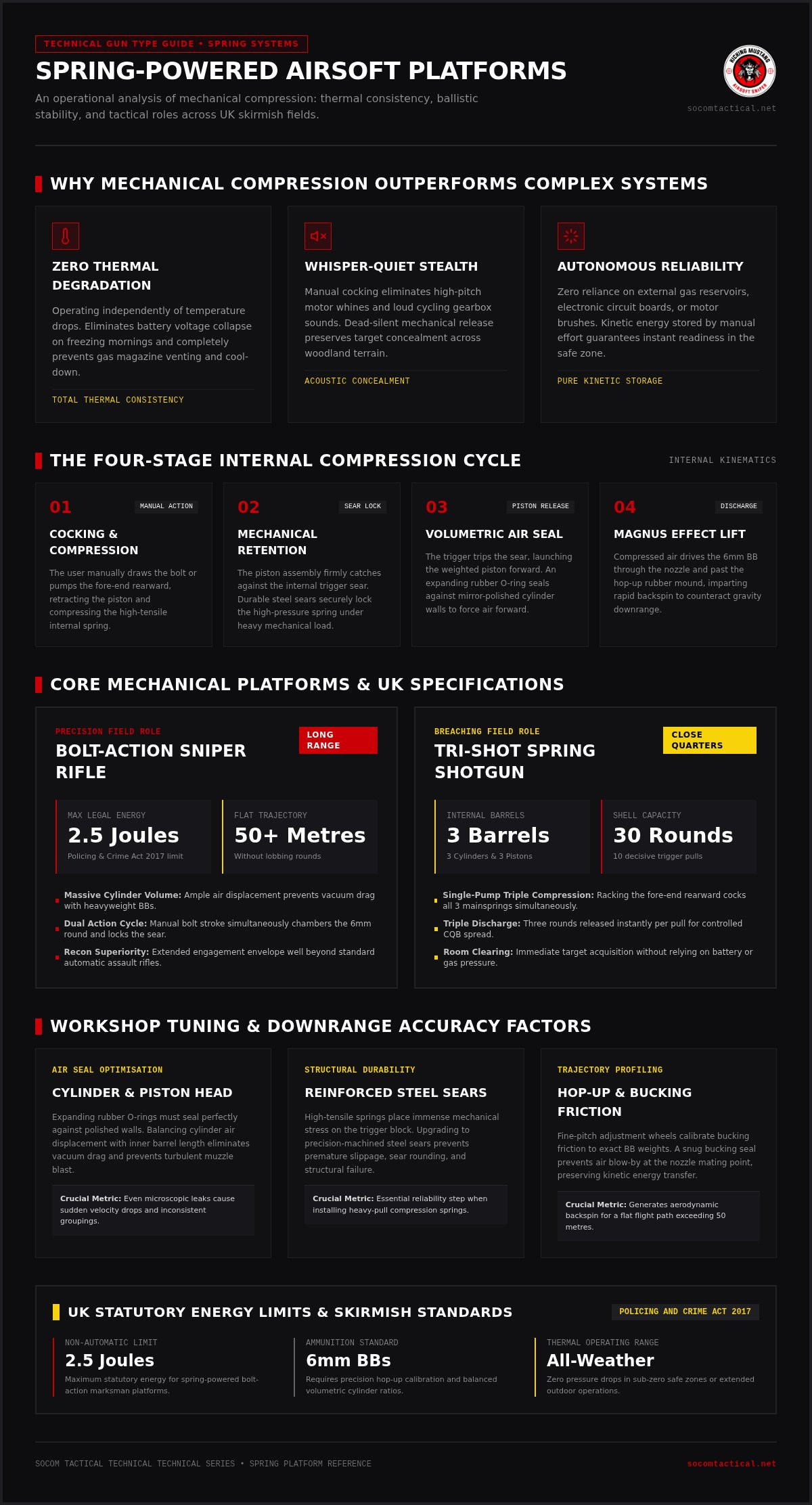
At its core, a spring airsoft platform relies on pure kinetic storage rather than electronic circuit boards or expanding propellant gas. When you cock the action manually, you compress an internal high-tensile spring. Pulling the trigger trips an internal sear, launching a weighted piston forward inside a sealed cylinder. This motion compresses a column of trapped air instantly, funnelling it through the cylinder head nozzle to propel the 6mm BB down the barrel. As detailed across our Gun Type Guides (Spring systems being the benchmark for mechanical reliability), this design makes the platform completely independent of battery charge, motor wear, or external gas reservoirs. Understanding how spring-powered airsoft guns work mechanically helps players appreciate why pure physics translates directly to shot-to-shot discipline.
The Internal Mechanics: Cylinder, Piston, and Sear Assembly
Manual cocking retracts the piston assembly until it catches firmly against the trigger sear. Around the piston head, a flexible rubber O-ring expands under forward air resistance, forming an airtight barrier against the mirror-polished cylinder walls. Maintaining this volumetric air seal is vital; even microscopic pressure leaks cause sudden velocity drops and inconsistent trajectories downrange. The volume of air inside the cylinder must also balance the internal volume of the barrel, preventing vacuum drag or turbulent muzzle exhaust. When building a heavy-pull setup, durable steel sears prevent premature slippage and component wear, which is why upgrading internal sears via precision parts and upgrades remains an essential reliability step for dedicated field platforms.
The Hop-Up Unit and Ballistic Stability
Piston displacement initiates movement, but downrange accuracy depends entirely on the hop-up assembly. As air pressure forces the BB past the chamber, the projectile catches on a small rubber mound protruding through the top of the inner barrel. This contact imparts rapid backspin, creating aerodynamic lift via the Magnus effect to counteract gravitational pull over distance.
- Friction control: Fine adjustment wheels allow players to calibrate bucking friction to exact BB weights.
- Trajectory profiling: Proper backspin creates a flat trajectory over 50 metres or more without lobbing rounds.
- Air efficiency: A snug bucking seal prevents air blow-by at the nozzle mating surface, preserving full kinetic transfer.
Core Spring Airsoft Platforms: Snipers, Shotguns, and Sidearms
Every tactical engagement on a skirmish day demands a distinct balance of range, fire rate, and physical agility. While automatic systems flood corridors with plastic, manual platforms fill specialised tactical niches where single-shot reliability counts most. Across practical Gun Type Guides (Spring configurations in this instance), three operational setups dominate: long-range bolt guns, close-quarter scatterguns, and fail-safe utility pistols.
Bolt-Action Spring Sniper Rifles
Cycling a manual bolt performs two jobs at once: it chambers a fresh BB and locks the high-pressure piston against the sear. Bolt-action spring sniper rifles deliver supreme long-range consistency because their massive cylinder volume provides ample air displacement to propel heavyweight ammunition without turbulence. Under the Policing and Crime Act 2017, non-automatic airsoft weapons can legally operate up to 2.5 joules, allowing bolt-action marksmen to reach out well beyond regular assault rifle envelopes. For dedicated recon players, choosing an appropriate chassis makes all the difference; explore dedicated builds through an airsoft sniper rifle UK guide to pair your field role with proven mechanical hardware.
Tri-Shot Spring Shotguns
Breaching confined rooms demands immediate target acquisition rather than extreme distance. Spring tri-shot shotguns solve this by housing three independent barrels, cylinders, and pistons within a single receiver. Racking the fore-end rearward cocks all three mainsprings in a single fluid stroke.
- Triple discharge: Every trigger press releases three BBs simultaneously, creating a controlled spread pattern at short distances.
- Shotgun shells: Standard mock shells hold 30 rounds, giving you ten decisive trigger pulls before executing a tactical reload.
- Mechanical speed: Skilled pump manipulation delivers blistering follow-up shots in tight corners without battery lag.
If you need dependable close-quarters clearing capability, check out our comprehensive airsoft guns selection to find a sturdy tri-shot platform built for aggressive room-to-room work.
Spring-Powered Sidearms and Utility Pistols
Carrying a manual pistol might feel like a step backward against modern gas blowbacks, but slide-action utility pistols offer something gas cannot guarantee: absolute immunity to cold weather failures and leaky fill valves. Racking the slide cycles one round into battery, leaving zero parasitic battery drain or pressurised o-rings to monitor during prolonged damp operations. Their lightweight polymer construction means they slip effortlessly into secondary holsters or utility pouches without pulling down your battle belt, making them dependable contingency sidearms when primary systems go down.
Spring vs AEG vs Gas: Skirmish Performance Comparison
Selecting your operational setup means balancing practical firepower against environmental vulnerabilities. While battery-driven electric platforms spit rapid plastic across woodland skirmishes, their complex internals present points of failure that simple mechanical systems bypass completely. In our comprehensive Gun Type Guides (Spring platforms offering the sharpest contrast to electronic systems), understanding the operational trade-offs helps you deploy the right kit for severe tactical conditions.
All-Weather Reliability and Thermal Independence
Winter skirmishing in the UK separates resilient systems from unreliable ones. Liquid propellants like green gas suffer immense pressure loss as ambient temperatures tumble, leading to sluggish cycling, incomplete magazine dumps, and sudden venting. LiPo batteries don't fare much better in frosty woodland games, suffering chemical slowdowns that trigger severe voltage drops and cut operational run-times short. Spring guns operate completely unaffected by sub-zero weather, heavy downpours, or mud; you compress steel against steel every stroke, producing identical pneumatic output regardless of the weather. Explore broader platform strengths in the ultimate guide to airsoft guns.
Velocity Uniformity and Shot Consistency
Electronic gearboxes involve complex timing interactions between high-speed motor armatures, bevel gears, and electrical cut-off levers. Small microswitch delays and gear train friction cause subtle variations in piston velocity from one semi-automatic shot to the next. In contrast, manual cocking locks an identical mechanical stroke behind the trigger sear every single time. Combining this exact cylinder displacement with match-grade BLS airsoft BBs yields ultra-tight chronograph spreads downrange, eliminating unexplained vertical stringing.
- Minimal velocity variance: Consistent mechanical compression narrows feet-per-second deviations to single digits.
- Direct kinetic transfer: No motor ramp-up lag or fluctuating gas pressures to upset projectile exit velocity.
- Ammunition efficiency: Stable pneumatic delivery maximises the ballistic performance of heavyweight precision BBs.
Acoustic Signatures and Concealment Advantage
Stealth often determines survival when working boundary flanks or forward observation hides. High-torque motors inside AEGs generate high-pitched mechanical whines and bevel gear noise that carry across woodland foliage, revealing your position instantly. Gas blowback systems produce sharp concussive snaps and metallic slide clatter that echo between buildings. A properly shimmed spring cylinder fitted with a padded piston head and forward barrel dampening creates only a soft, dull thud. Beyond thirty metres, opponents rarely hear the release, allowing concealed snipers to take repeated shots without alerting defending squads.
Tuning, Maintenance, and Upgrades for Spring Platforms
Stock spring platforms provide dependable performance out of the box, but unlocking true precision requires systematic component balancing and deliberate care. Within our Gun Type Guides (Spring rifles being the ultimate testbed for precision mechanics), tuning is never about simply inserting the stiffest spring you can cock. Real tactical accuracy demands balanced cylinder-to-barrel air volumes, friction reduction, and durable reinforcement across structural stress points.
Optimising the Compression Group
Every lost micro-bar of air pressure causes muzzle velocity to drift from shot to shot. Replacing leaky factory pistons with double O-ring aluminium or reinforced polycarbonate assemblies ensures a positive mechanical seal during high-speed forward strokes. Lubricate internal cylinder walls with a thin layer of 100% pure silicone grease; never apply petroleum products, as mineral oils degrade rubber O-rings and swell delicate hop buckings. To source dependable replacement seals and cylinder components, explore our dedicated parts and upgrades range.
Precision Inner Barrels and Hop-Up Tuning
Installing a tightbore inner barrel narrows the air channel around the projectile, boosting compression efficiency and increasing velocity without requiring a heavy, fatigue-inducing mainspring. Pairing a polished inner barrel with an extended contact patch, such as an R-hop or flat-hop setup, distributes friction evenly across heavyweight ammunition for superior trajectory control. To explore dedicated platform builds and internal setups, read the Silverback airsoft performance guide.
Routine Field Stripping and Cleaning Protocols
Maintaining mechanical reliability through long skirmish seasons comes down to regular, methodical care after damp woodland games:
- Clean the inner bore: Run a cleaning rod fitted with lint-free swabs and isopropyl alcohol through the barrel to remove dirt, grease, and residue.
- Inspect trigger catches: Check trigger sears for rounded engagement corners, ensuring they safely hold high-tension spring loads without slipping.
- Release mainspring load: Always decock the platform before transporting or storing it to prevent spring fatigue and velocity creep.
To take your rifle beyond factory limitations without doing the internal labour yourself, contact our workshop team for custom tuning and professional component fitting.
UK Compliance, Skirmish Roles, and Choosing Your Setup
Deploying a mechanical platform effectively requires matching your physical playing style to proper tactical kit while staying fully within UK legal frameworks. Within our comprehensive Gun Type Guides (Spring platforms offering some of the highest single-shot velocities available), following domestic imitation firearm regulations ensures you pick the right equipment for both your local site and legal standing.
UK Law: VCRA, Two-Tone Requirements, and UKARA
Under UK law, you must be 18 or older to purchase any airsoft weapon. The Violent Crime Reduction Act 2006 controls the sale of Realistic Imitation Firearms (RIFs). If you don't possess a recognised skirmisher defence, you must purchase an imitation firearm where at least 51% of the exterior is finished in a bright, non-military two-tone colour. Registered skirmishers who log three or more games over a minimum of 56 days at an insured site can record their details on the UKARA database, granting access to unpainted, realistic models.
Site Limits and Field Safety Parameters
While UK legislation permits non-automatic airsoft guns up to 2.5 joules, individual skirmish sites enforce their own strict safety ceilings:
- Bolt-action snipers: Most UK sites cap manual sniper rifles at 500 FPS using a 0.20g BB (around 2.32 joules), accompanied by a mandatory minimum engagement distance (MED) of 20 to 30 metres.
- Shotguns and utility pistols: Multi-barrel spring shotguns and manual sidearms adhere to standard skirmish limits, typically up to 350 FPS (1.14 joules), allowing point-blank engagement indoors.
- Eye and face protection: High-impact ballistic eyewear and lower mesh masks remain essential kit, especially when confronting higher kinetic energy limits at long ranges.
Selecting the Ideal Spring Weapon Setup
Match your gear to your physical strengths and intended combat role. Stiff sniper mainsprings deliver formidable range, but cocking an M150 spring for six hours requires upper-body stamina and disciplined bolt manipulation. If you prefer dynamic room-to-room clearing, a rugged tri-shot shotgun supported by shell holders on a lightweight chest rig offers immediate firepower without battery anxiety. If you are weighing up platform options or planning your next role build, reach out through Socom Tactical Airsoft customer support for seasoned advice from our workshop specialists.
Master Mechanical Reliability on the Skirmish Field
Mechanical airsoft platforms prove that pure simplicity still wins skirmishes. Eliminating electrical failures, drained batteries, and winter gas cool-down gives you absolute confidence when the whistle blows. As highlighted throughout our technical Gun Type Guides (Spring platforms remaining the ultimate benchmark for pneumatic consistency), mastering a manual system rewards deliberate movement, stealth, and disciplined shot placement.
Founded in 2009 as an independent UK specialist retailer, Socom Tactical Airsoft provides nationwide support for players demanding field-proven performance. Whether you require custom tuning from our comprehensive in-house workshop or compliant two-tone defence painting before stepping onto site, our experienced team ensures your hardware is skirmish-ready from day one. Gear up with skirmish-ready spring rifles and tactical equipment at Socom Tactical Airsoft, step onto the field with confidence, and command your next tactical engagement.
Frequently Asked Questions
Are spring airsoft guns accurate enough for competitive skirmishing?
Yes, tuned spring platforms often deliver greater shot-to-shot consistency and tighter groupings downrange than standard electric rifles. Because manual mechanical compression releases identical air volume without the electrical delays or gear train vibrations of an AEG, each shot breaks smoothly. At extended woodland distances, this mechanical discipline allows patient players to place decisive single shots with exceptional precision.
Can cold weather cause spring airsoft rifles to lose power?
No, spring platforms do not suffer from thermal power loss during freezing weather conditions. Liquid propellants experience severe pressure drops and LiPo batteries lose operational voltage in the cold, but steel mainsprings decompress with identical force regardless of temperature. As highlighted across our Gun Type Guides (Spring systems being the benchmark for harsh winter reliability), mechanical platforms remain fully operational in sub-zero frost and rain.
Do I need a UKARA defence to purchase a spring airsoft rifle?
You do not need a UKARA defence if you purchase an imitation firearm finished in bright two-tone colours, though you must still be at least 18 years old. Under the VCRA 2006, buying an all-black realistic imitation firearm requires a valid defence, such as UKARA registration earned across three site visits over 56 days. Retailers offer compliant two-tone painting so newer skirmishers can legally purchase equipment straight away.
Why is bolt pull resistance so heavy on high-powered spring rifles?
Bolt resistance directly reflects the tension of the internal mainspring needed to drive projectiles at higher muzzle velocities. When chambering a high-velocity setup near site limits, your arm directly compresses heavy spring steel against the trigger sear. Within our Gun Type Guides (Spring upgrade tuning in particular), installing smooth bearing spring guides, polished cylinder sleeves, and ergonomic bolt handles significantly reduces cocking effort without sacrificing kinetic energy.
Can you upgrade the power of a standard tri-shot spring shotgun?
Upgrading the internal power of standard tri-shot shotguns is rarely practical or recommended for skirmishers. Tri-shot receivers house three independent cylinder assemblies within compact polymer frameworks. Fitting stronger internal springs dramatically increases fore-end cocking resistance, leading to rapid physical fatigue and fractured internal loading arms. Most players find factory velocities perfectly suited for fast-paced, close-quarters room clearing without risking mechanical breakage.
What weight of BB is best suited for spring sniper rifles?
Heavyweight precision BBs ranging between 0.40g and 0.48g deliver the most stable flight paths for high-powered spring sniper platforms. While lighter ammunition achieves higher initial exit speed, heavier match-grade BBs retain momentum much better downrange and resist sudden wind deflection. Provided your hop-up rubber applies sufficient backspin, heavier ammunition produces flatter, more predictable trajectories through woodland foliage.
How should spring airsoft weapons be stored between skirmish days?
Spring platforms must always be stored fully decocked with the internal mainspring sitting completely relaxed. Leaving a rifle cocked against the sear under tension causes the spring steel to take a permanent set, lowering velocity over time. After removing the magazine and clearing the chamber safely, discharge the platform in a safe direction before storing it in a dry gun slip or protective case.